Rapid-Deployment Sanitation and Hygiene Units
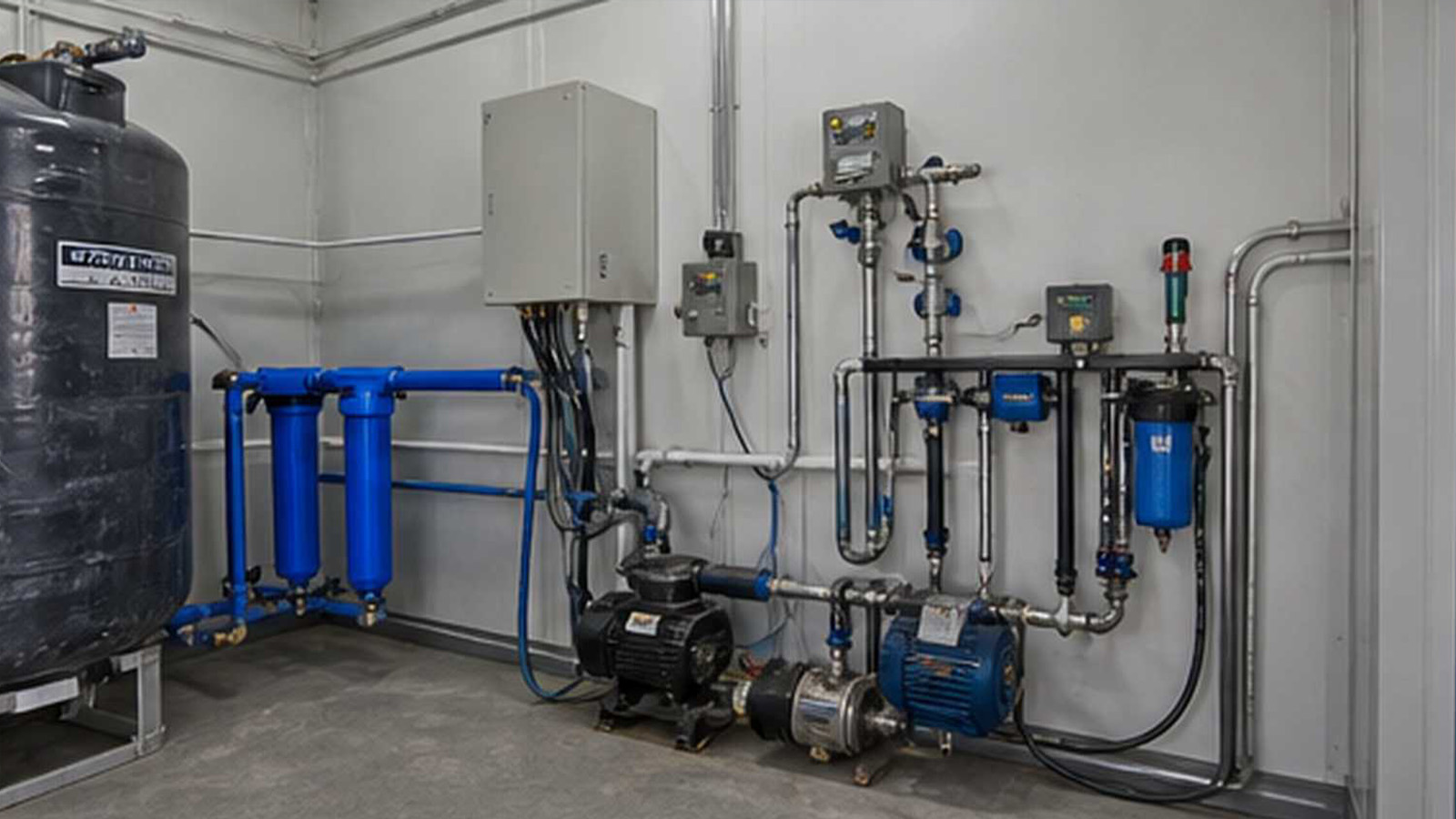
Photo Gallery
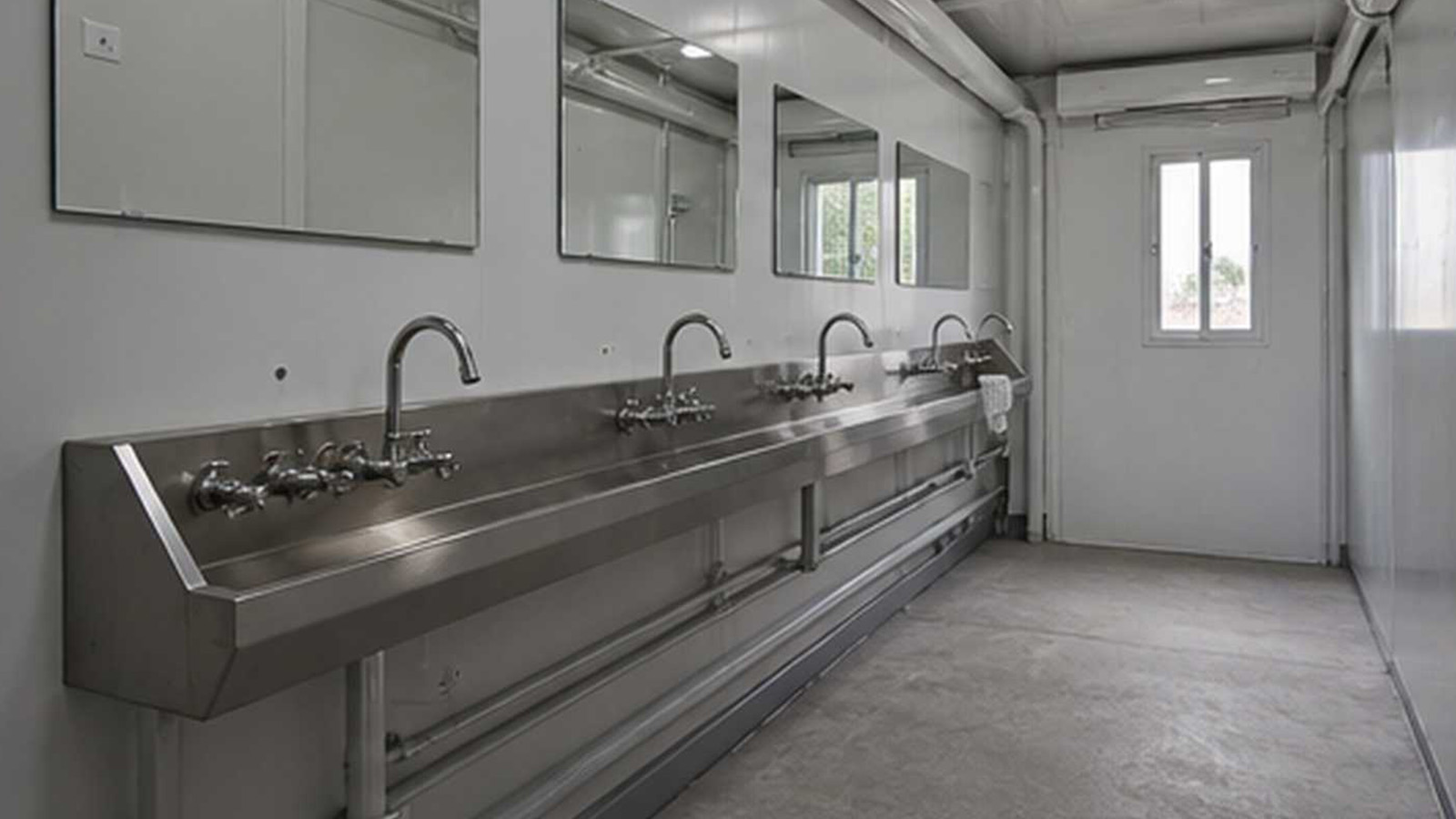
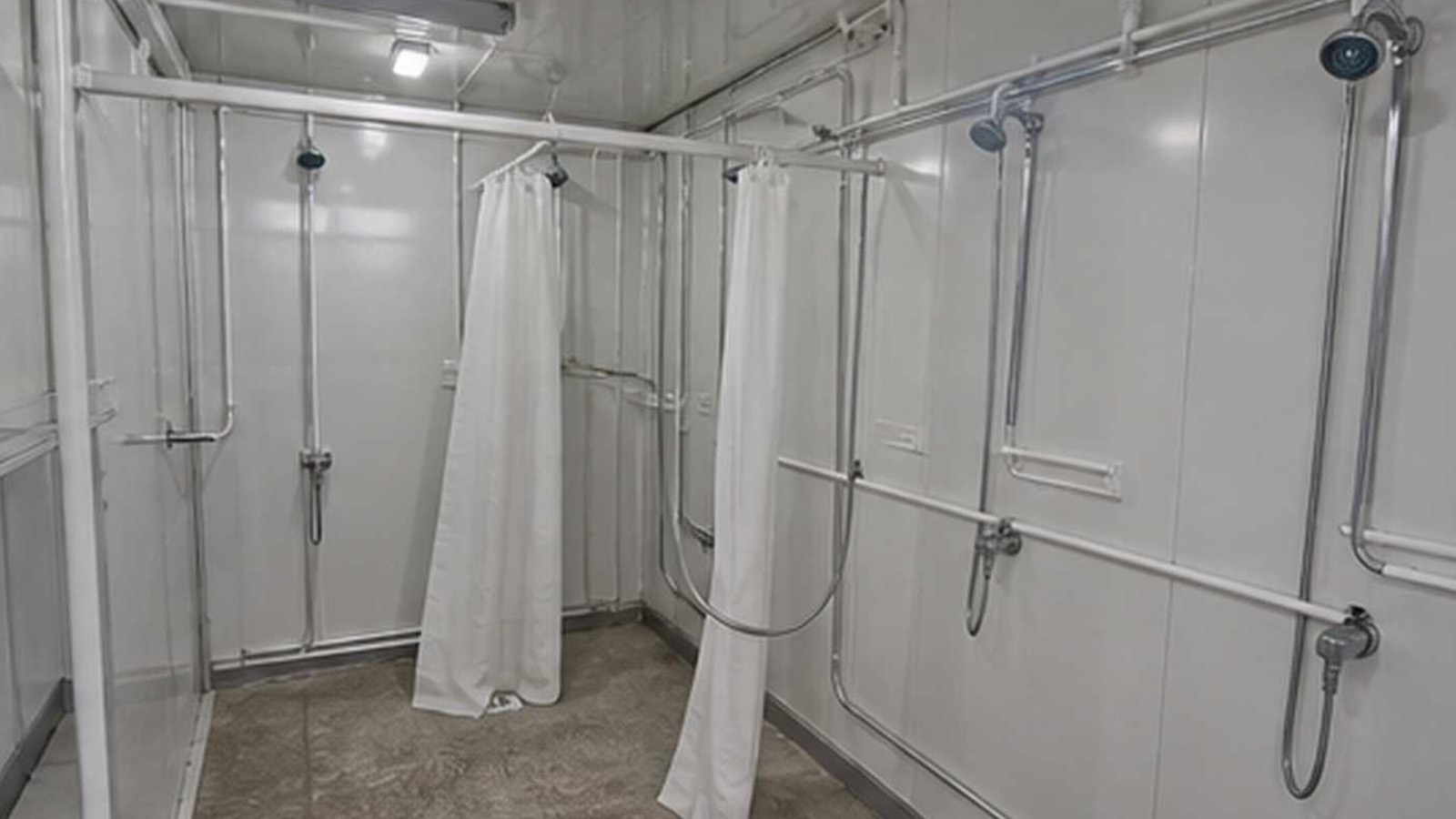
Project Overview
What is the proposed deployment set?
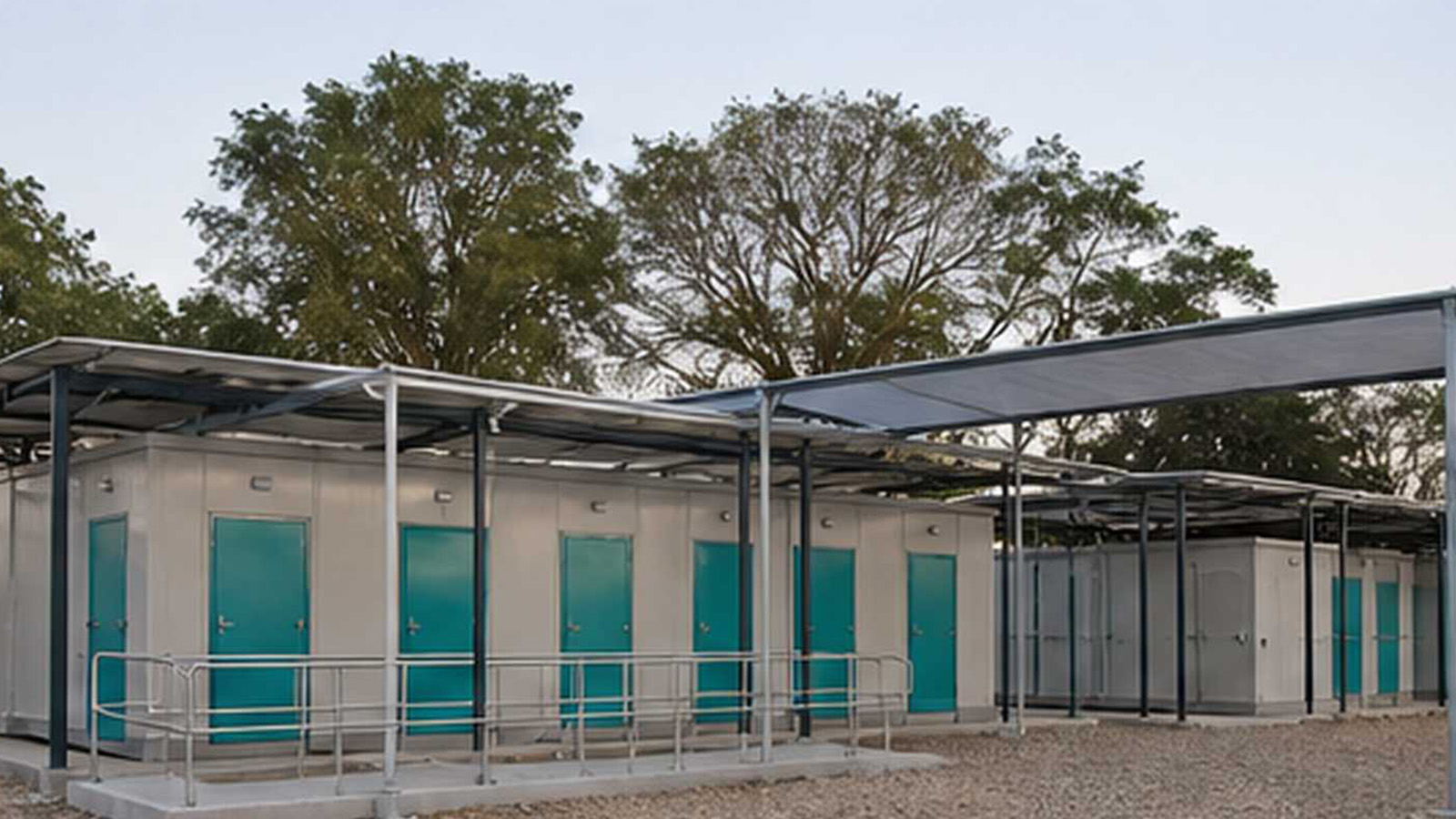
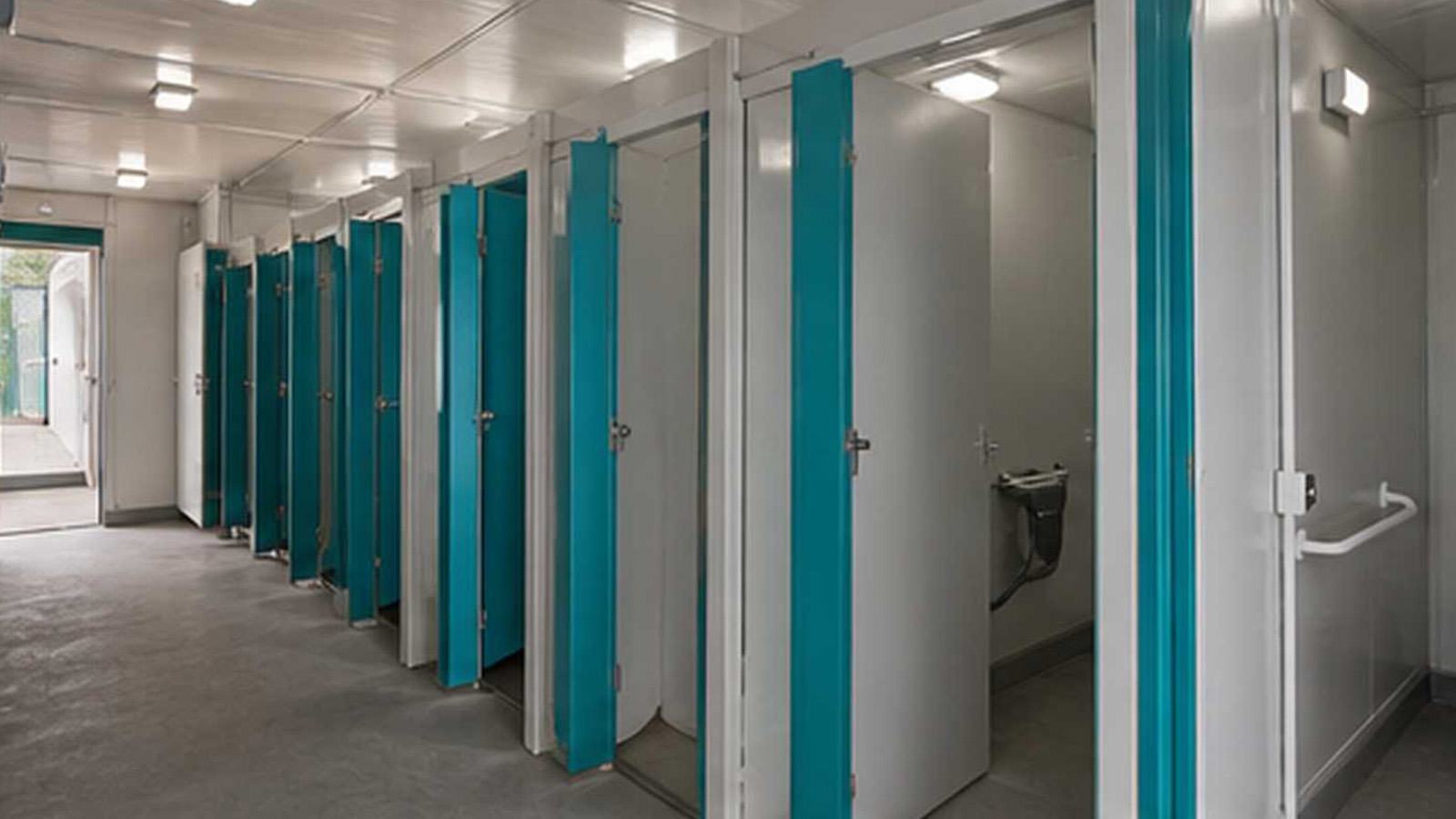
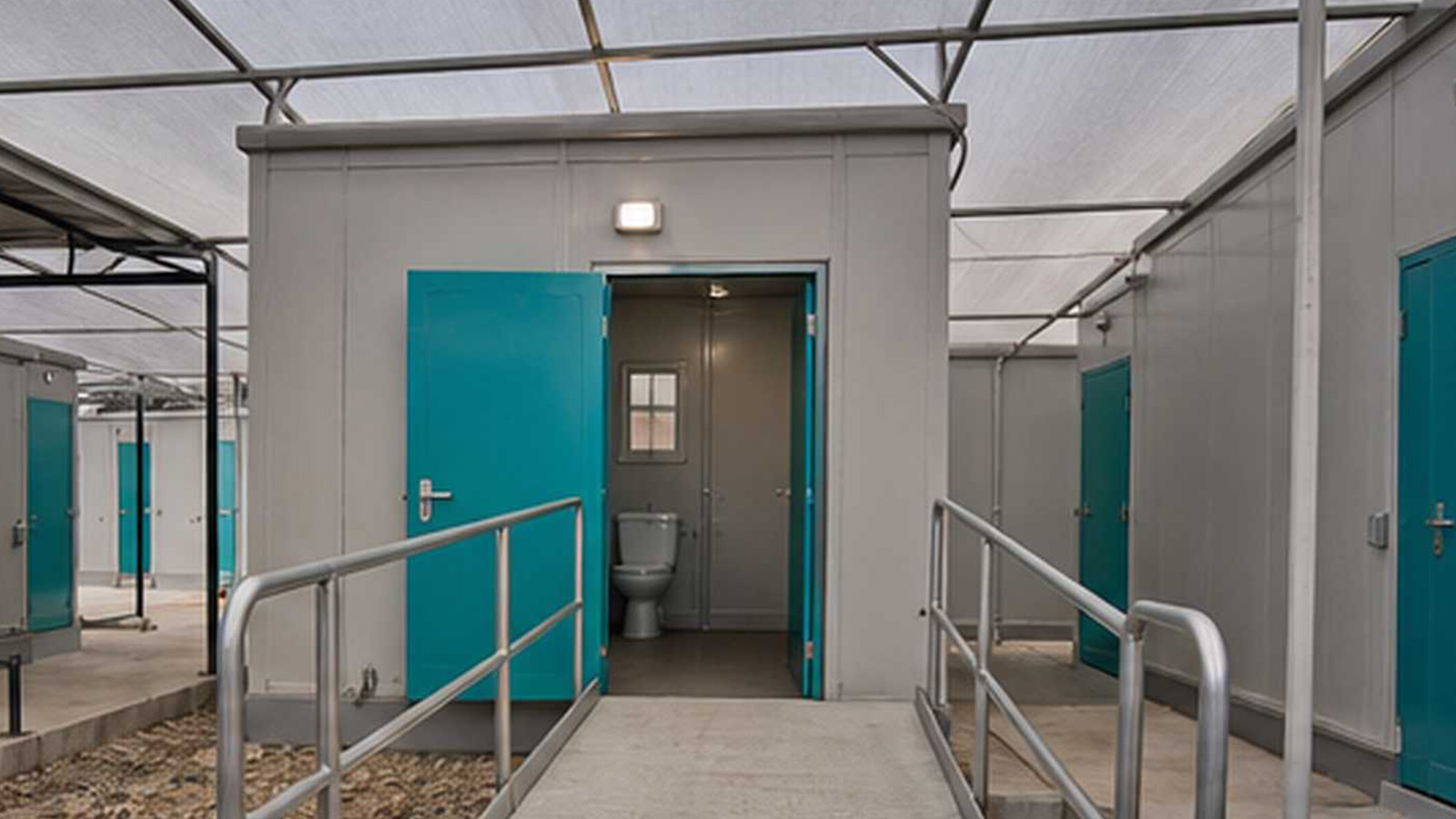
Direct answer: A proposed compound combines separate toilet and shower banks, accessible cubicles, handwashing, cleaner storage and water-treatment or pumping modules.
Population, gender and safeguarding needs, climate, water source and disposal route determine the final quantities.
User Safety and Dignity
Which layout choices matter most?
Direct answer: Provide privacy, lighting, internal locks with emergency release, accessible routes, child-safe details and visible management without exposing users. Separate entrances and queuing where the operating context requires it.
Water Balance
How should capacity be calculated?
Direct answer: Model peak users, fixture flow, cleaning, storage autonomy, treatment losses and tanker frequency. UNHCR’s WASH guidance provides humanitarian planning context.
Wastewater and Drainage
What must be decided before dispatch?
Direct answer: Confirm sewer, tank, treatment or collection method; define venting, gradients, access and overflow response. Never assume the host site can accept unrestricted discharge.
Cleaning and Infection Control
Which features support operations?
Direct answer: Use washable finishes, replaceable fittings, floor drainage, handwashing, consumable storage and safe chemical isolation. Detail joints to tolerate repeated cleaning.
Rapid Installation
What should be preassembled?
Direct answer: Factory-fit fixtures, pipework, electrical distribution, lighting and accessories where transport allows. Site work should focus on supports, connections, testing and safe access.
Compliance and Delivery References
Which external requirements still need project confirmation?
Direct answer: Confirm the locally adopted building, fire, accessibility, occupational-safety and environmental requirements before design release. Use this project’s selected official safety reference and building or logistics reference as supporting context rather than substitutes for local approval.
Related ZH-ENG Modular Solution
What should the buyer submit for configuration review?
Direct answer: Provide the site, occupancy, room schedule, climate, loads, utilities, logistics, installation boundary and approval route. Review ZH-ENG modular building solutions before finalising module quantities and interfaces.