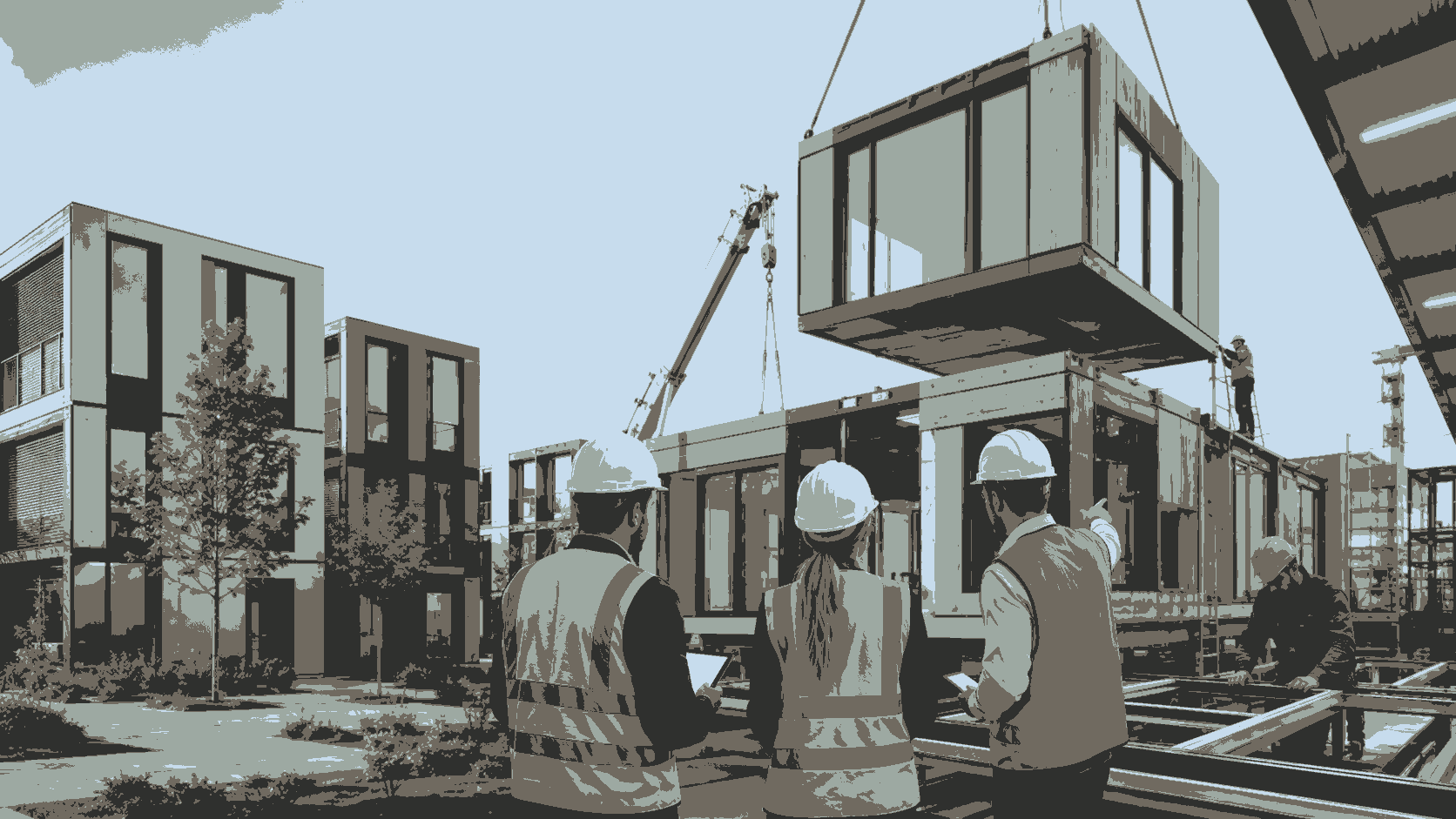
Modular Construction Helps Airports Upgrade Facilities with Less Operational Disruption
HOK
Q1: Why are airports increasingly adopting modular construction?
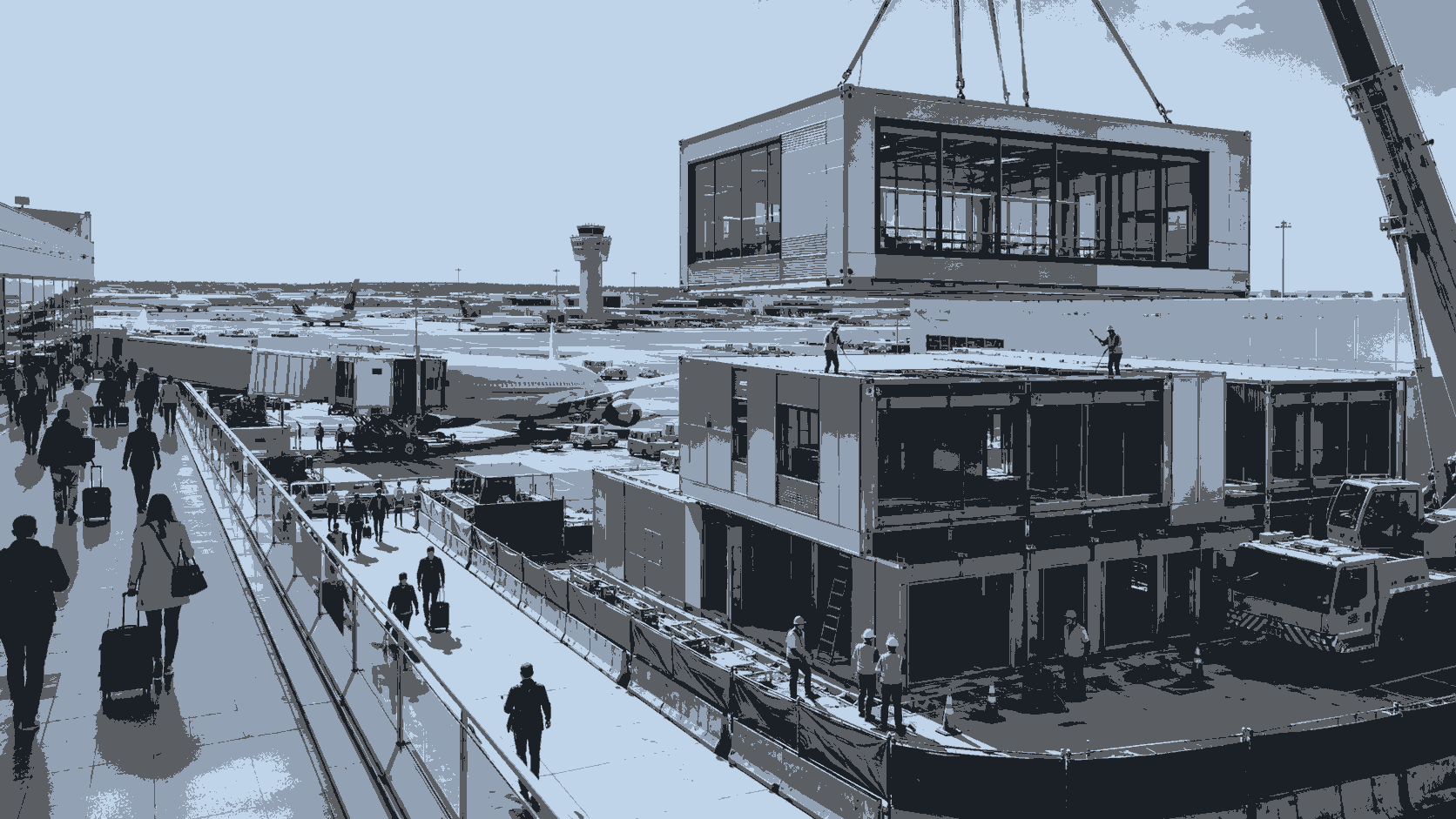
Airports operate continuously, making construction disruptions costly. Modular construction allows building components to be manufactured off-site and installed quickly, reducing on-site work, minimizing operational interruptions, and helping airports remain fully functional during expansion or renovation projects.
Q2: Which airport facilities are suitable for modular construction?
Typical applications include terminal expansions, check-in halls, security areas, office buildings, staff facilities, equipment rooms, and temporary passenger terminals. Modular systems also provide flexibility for future expansion as passenger demand grows.
Q3: What do international buyers usually consider?
Buyers typically evaluate compliance with local building regulations, fire and structural safety, manufacturing quality, engineering support, delivery capability, and long-term maintenance performance. Reliable project execution is especially important for airport infrastructure.
Q4: What are the future trends for modular airport construction?
Future developments are expected to include BIM-enabled design, smart manufacturing, energy-efficient materials, and standardized modular systems that improve project speed, flexibility, and sustainability.
Related News
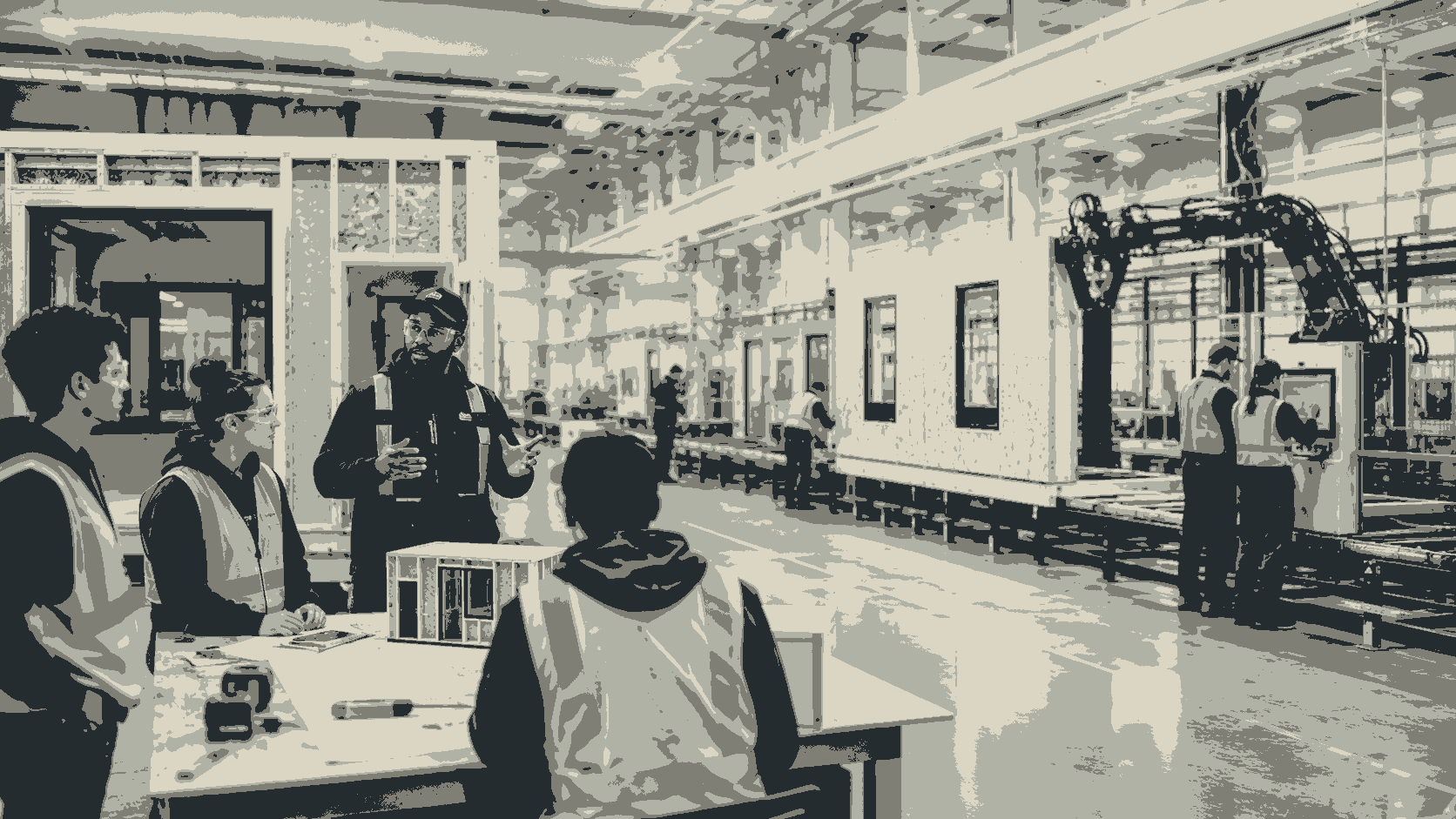
Panel Built Expands Workforce Development to Support the Future of Modular Manufacturing
2026-05-14
Read More
Modern Methods of Construction Continue to Support Public Building Projects in the UK
2026-05-13
Read More