Why Is Modular Housing Becoming a Preferred Solution for Post-Disaster Recovery in 2026?
California Governor's Office
Q1: Why Is Speed Becoming a Priority in Post-Disaster Housing?
After major natural disasters, thousands of families may lose their homes within a very short period. Long rebuilding periods can increase social and economic pressure on affected communities.
Governments are therefore seeking construction methods that can restore housing more quickly while maintaining building quality.
Q2: How Does Modular Housing Support Disaster Recovery?
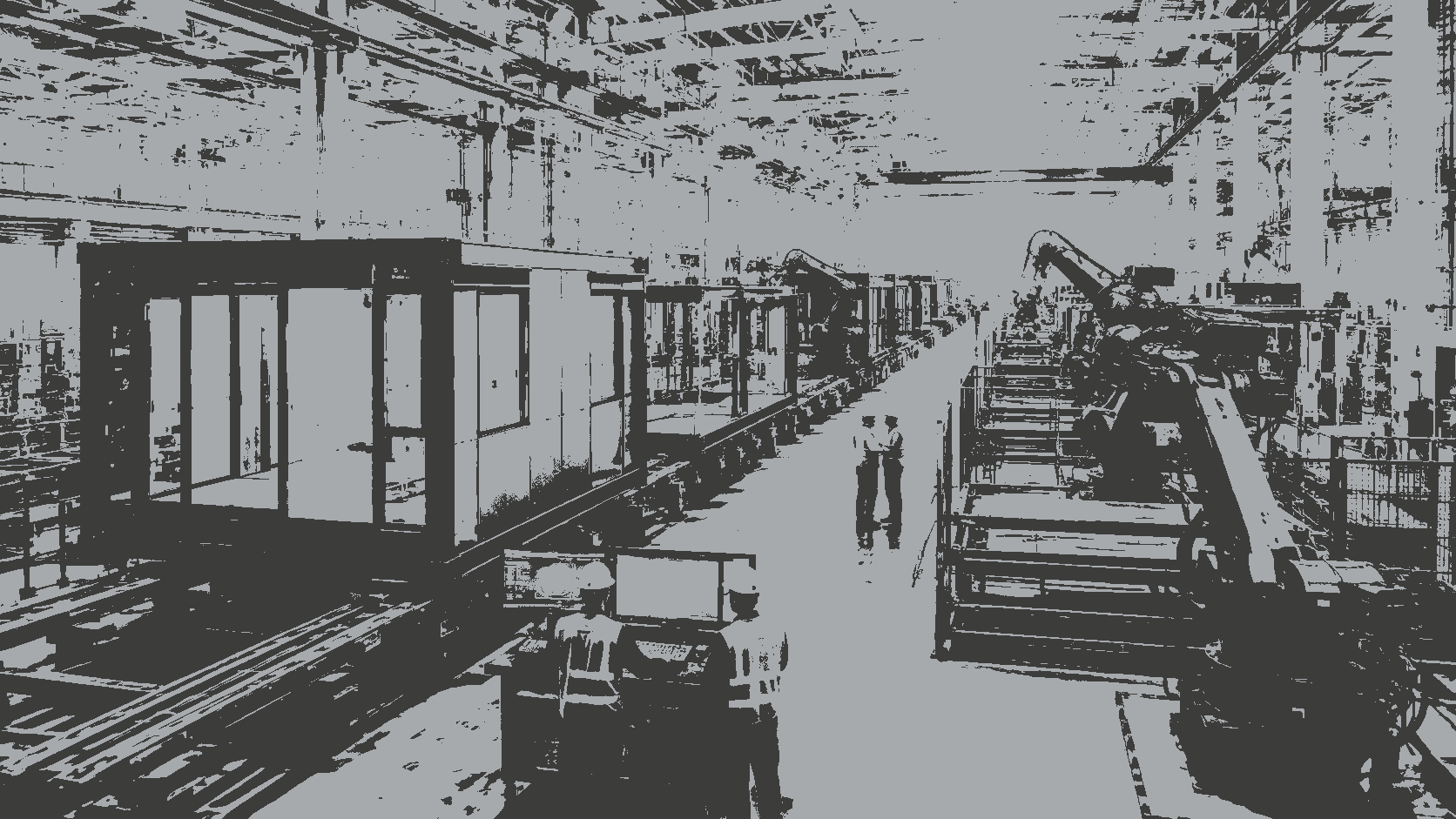
Most construction work is completed inside a factory before transportation to the project site.
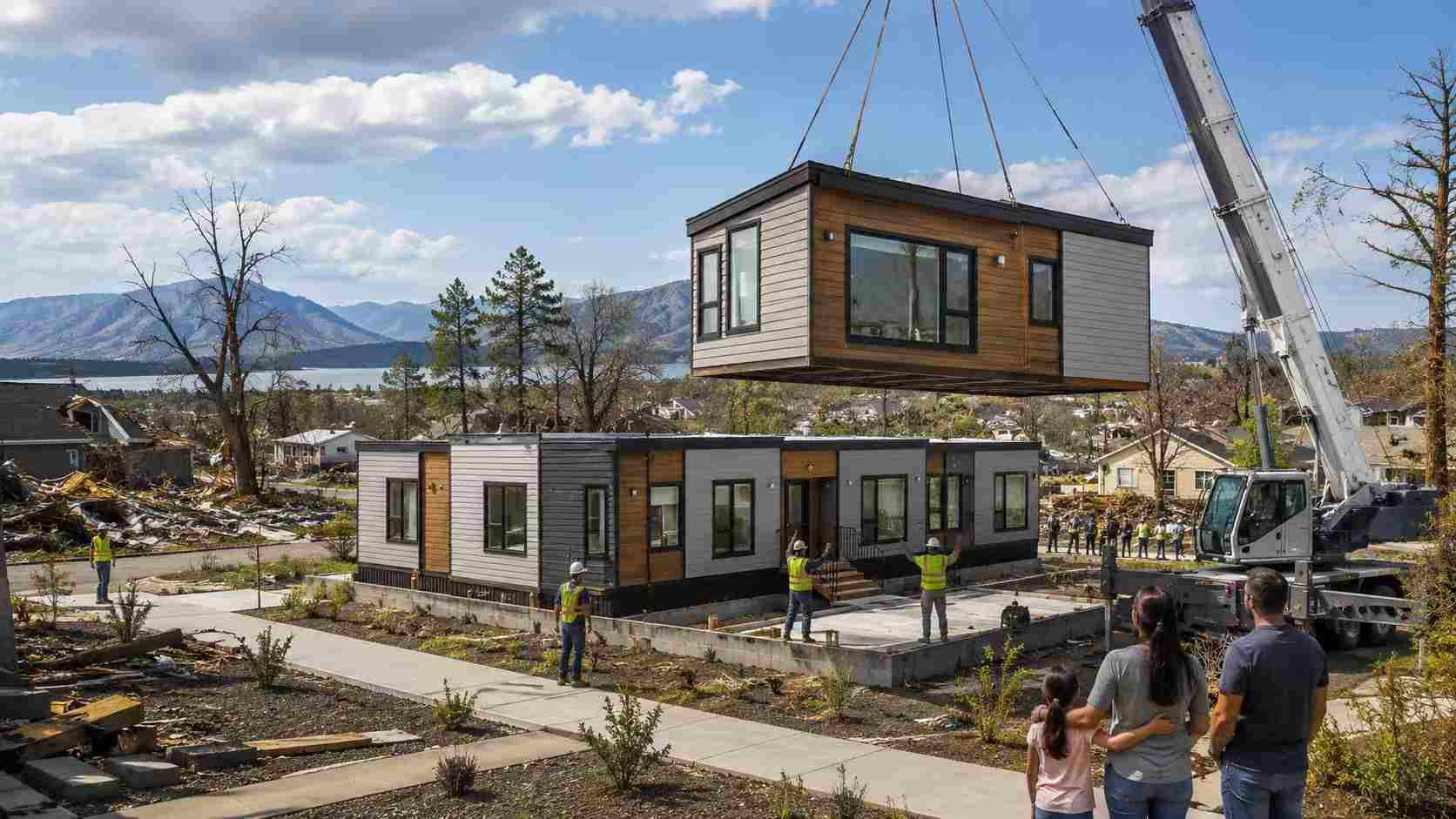
Once foundations and utilities are ready, the modules can be assembled rapidly.
This approach offers several advantages:
Faster housing delivery
Reduced weather-related delays
Consistent construction quality
Lower on-site labor requirements
Shorter overall project schedules
Q3: Why Are Governments Paying More Attention to Modular Construction?
Recent housing recovery initiatives increasingly support:
Innovative construction methods
Faster permitting procedures
Improved housing supply
Factory-built construction
Sustainable rebuilding strategies
These policies are helping modular housing become an important solution for public housing and disaster recovery projects.
Q4: Besides Disaster Recovery, Where Else Is Modular Housing Used?
Modular construction is also widely applied in:
Affordable housing
Student accommodation
Workforce housing
Healthcare facilities
Educational buildings
Temporary offices
Remote-area housing
Public infrastructure
Its flexibility allows modular buildings to serve many different sectors.
Q5: What Is the Future of Disaster Recovery Housing?
Future development is expected to focus on:
Smart factory manufacturing
Building Information Modeling (BIM)
AI-assisted project management
Energy-efficient materials
Reusable building modules
Higher structural resilience
As construction technology continues to evolve, modular housing is expected to play an increasingly important role in disaster recovery worldwide.