AI Growth Accelerates the Adoption of Modular Data Center Construction
NTT Facilities
Q1: Why is AI driving the growth of modular data centers?
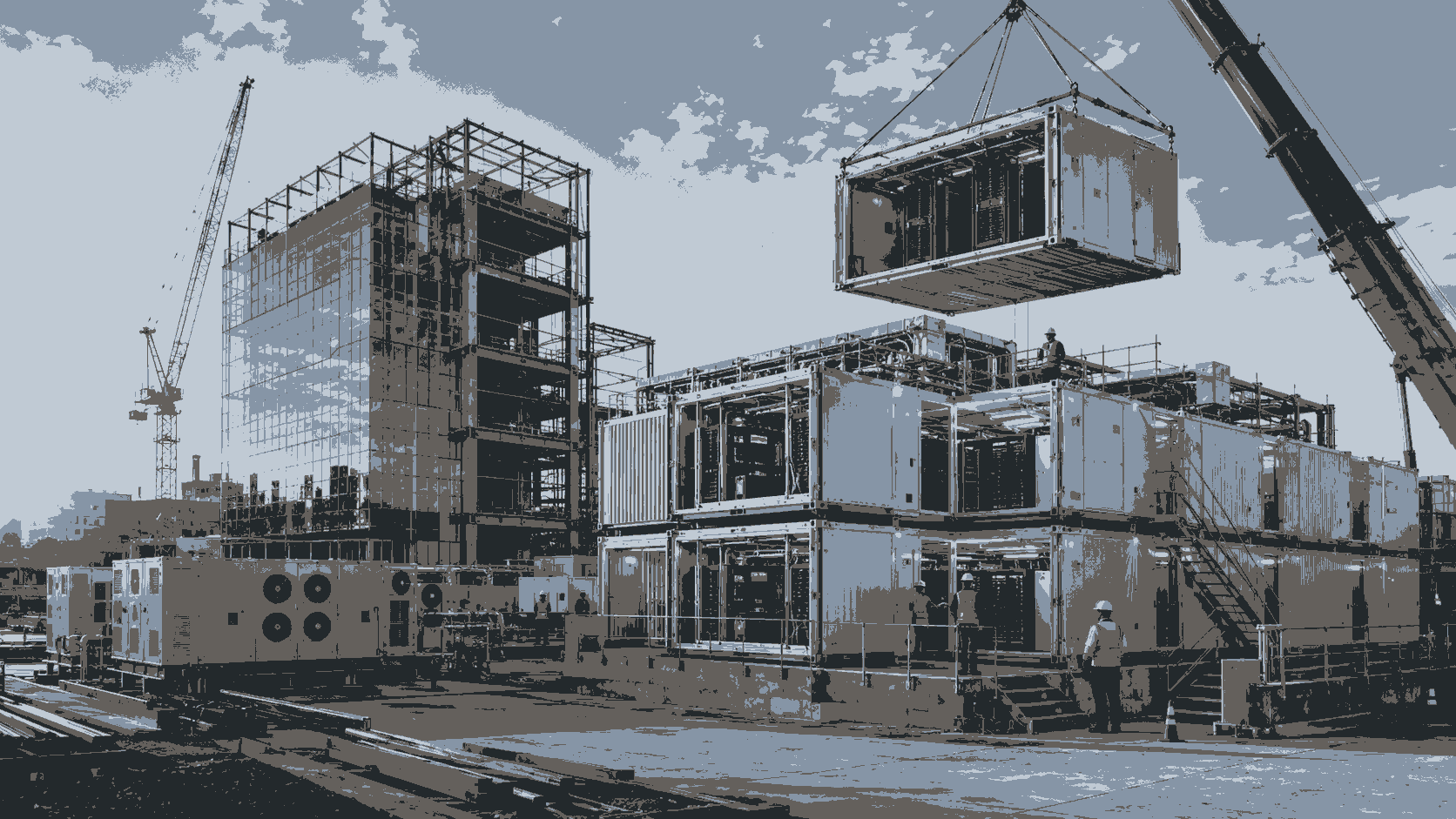
The rapid growth of generative AI, cloud computing, and high-performance computing has significantly increased demand for data center capacity. Traditional construction methods often require long project schedules, while modular construction allows major building components and infrastructure systems to be manufactured in factories before being assembled on-site. This approach shortens delivery time, improves quality consistency, and reduces construction risks, making it an attractive solution for modern data center projects.
Q2: What are the main advantages of modular data centers?
Modular data centers offer faster construction, standardized manufacturing, and improved quality control. Power systems, cooling equipment, and structural modules can be pre-assembled and tested before delivery, reducing installation time at the project site. The modular approach also supports future expansion, simplifies maintenance, and helps developers respond more quickly to growing computing demand.
Q3: What do international buyers usually look for?
International buyers generally evaluate manufacturing capability, compliance with local regulations, quality management systems, engineering support, energy efficiency, and project delivery experience. For large-scale digital infrastructure projects, reliable logistics, technical documentation, and long-term service support are also important factors when selecting a supplier.
Q4: What are the future trends in modular data center construction?
Future development is expected to focus on smart manufacturing, digital engineering, energy-efficient systems, and standardized modular design. As AI infrastructure continues to expand worldwide, modular construction is likely to become one of the preferred methods for delivering high-quality data centers with shorter construction schedules and greater operational flexibility.
Related News

New Modular Housing Alliance Formed to Deliver Five Affordable Housing Projects in Northern California
2026-06-29
Read More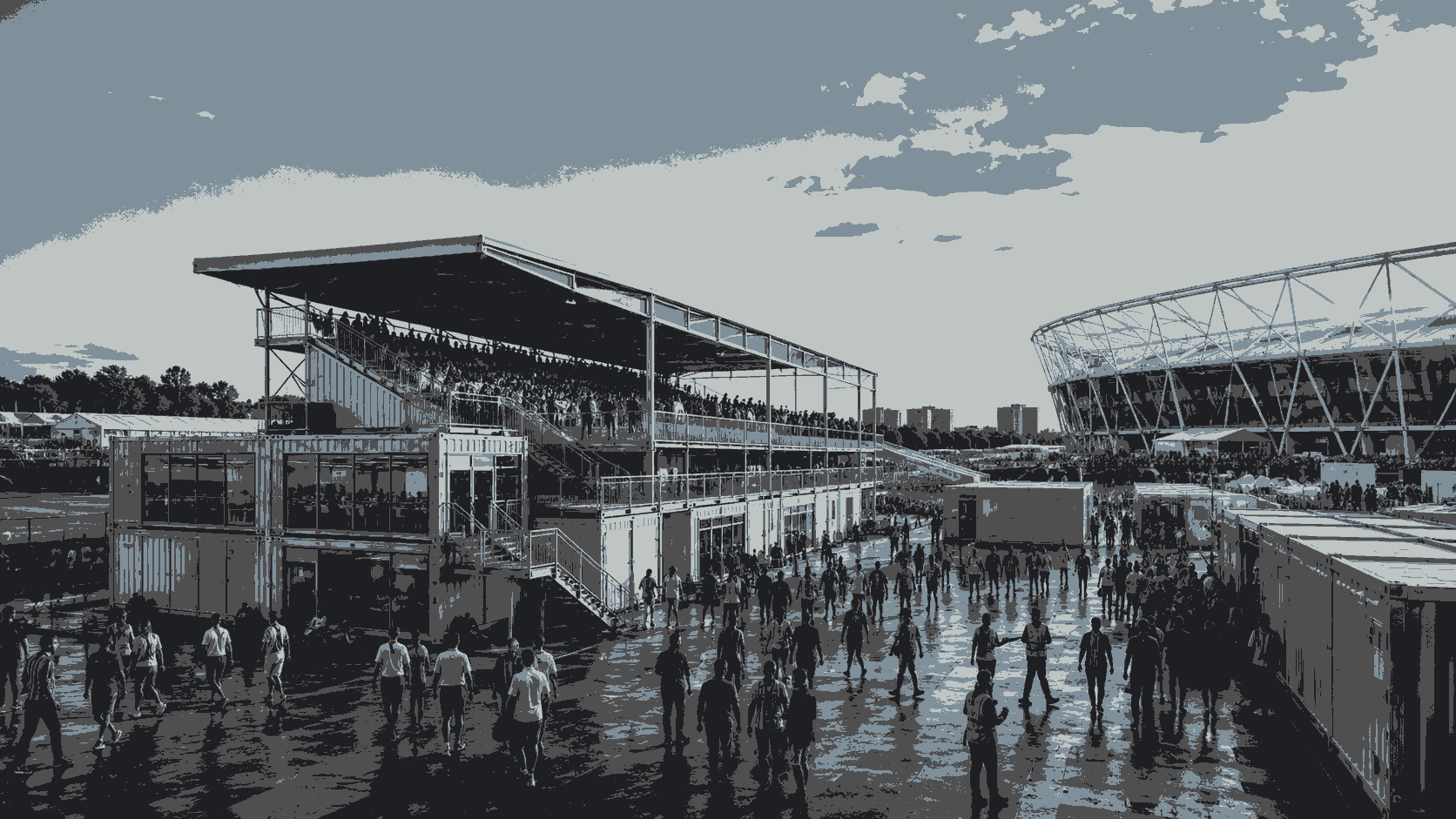
Modular Construction Expands in Sports and Event Infrastructure for Rapid Venue Deployment
2026-06-29
Read More