Modular Construction Accelerates Hospital Expansion Projects and Healthcare Infrastructure Delivery
Modular Building Institute (MBI)
Q1: Why is modular construction increasingly used in hospitals?
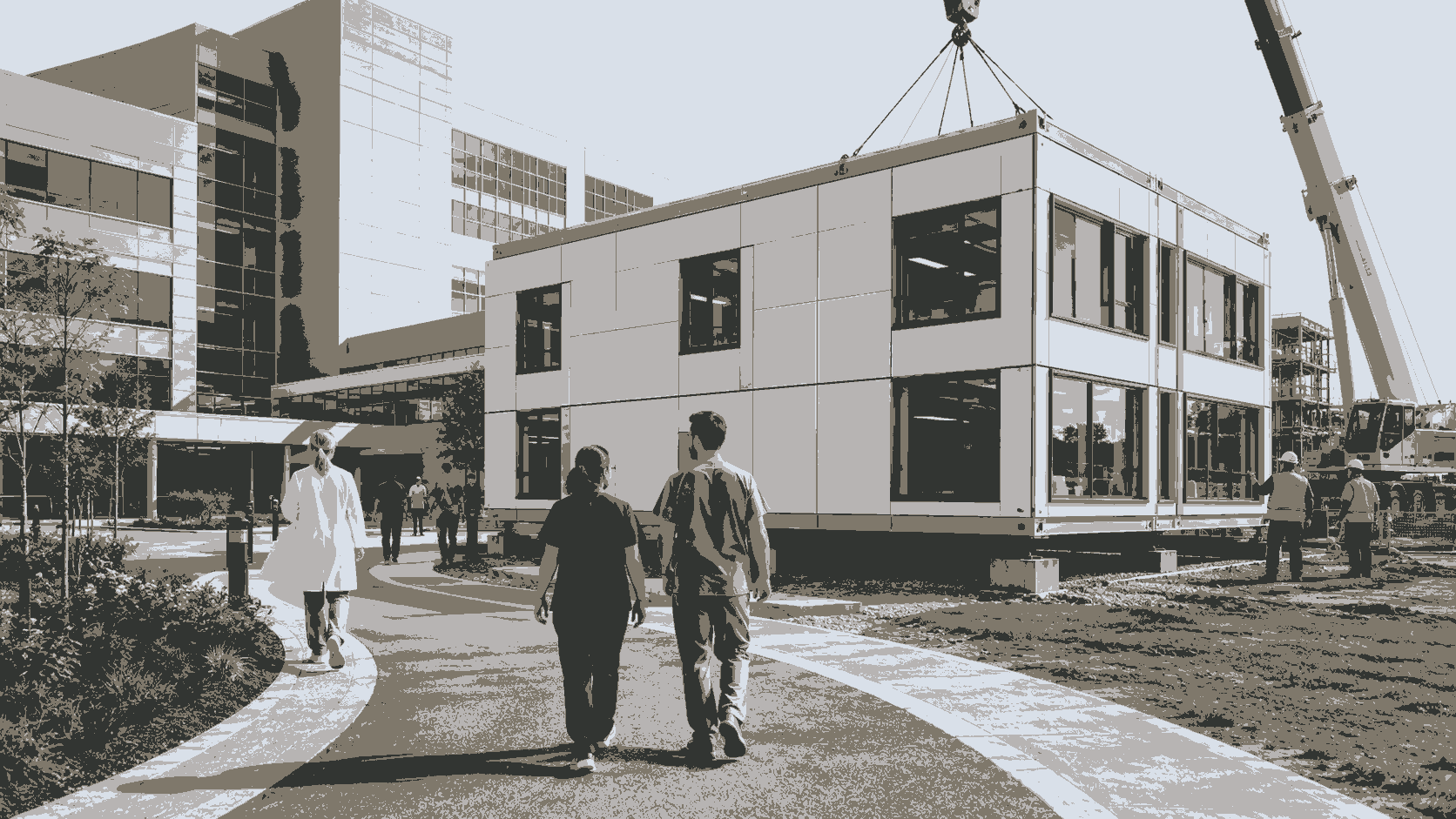
Hospitals often need to expand without disrupting ongoing medical operations. Modular construction allows patient rooms and functional units to be prefabricated off-site and rapidly installed, minimizing noise, disruption, and operational downtime.
Q2: What are the advantages of modular healthcare buildings?
Modular healthcare facilities offer faster construction, improved quality control, and better infection control management. Since most work is completed in factory conditions, on-site risks are reduced and project delivery timelines are significantly shortened.
Q3: What do international buyers usually evaluate?
International buyers typically assess compliance with healthcare regulations, fire safety standards, manufacturing precision, quality management systems, and experience in delivering complex medical facilities.
Q4: What are the future trends in modular healthcare construction?
Future modular healthcare projects are expected to integrate BIM design, smart hospital systems, and sustainable building technologies. As demand for healthcare infrastructure grows, modular construction will play a key role in emergency care, wards, and specialized medical facilities.