Why Can Factory-Built Modular Homes Reduce Construction Time by More Than 50%? 2026 Industry Insights
Axios
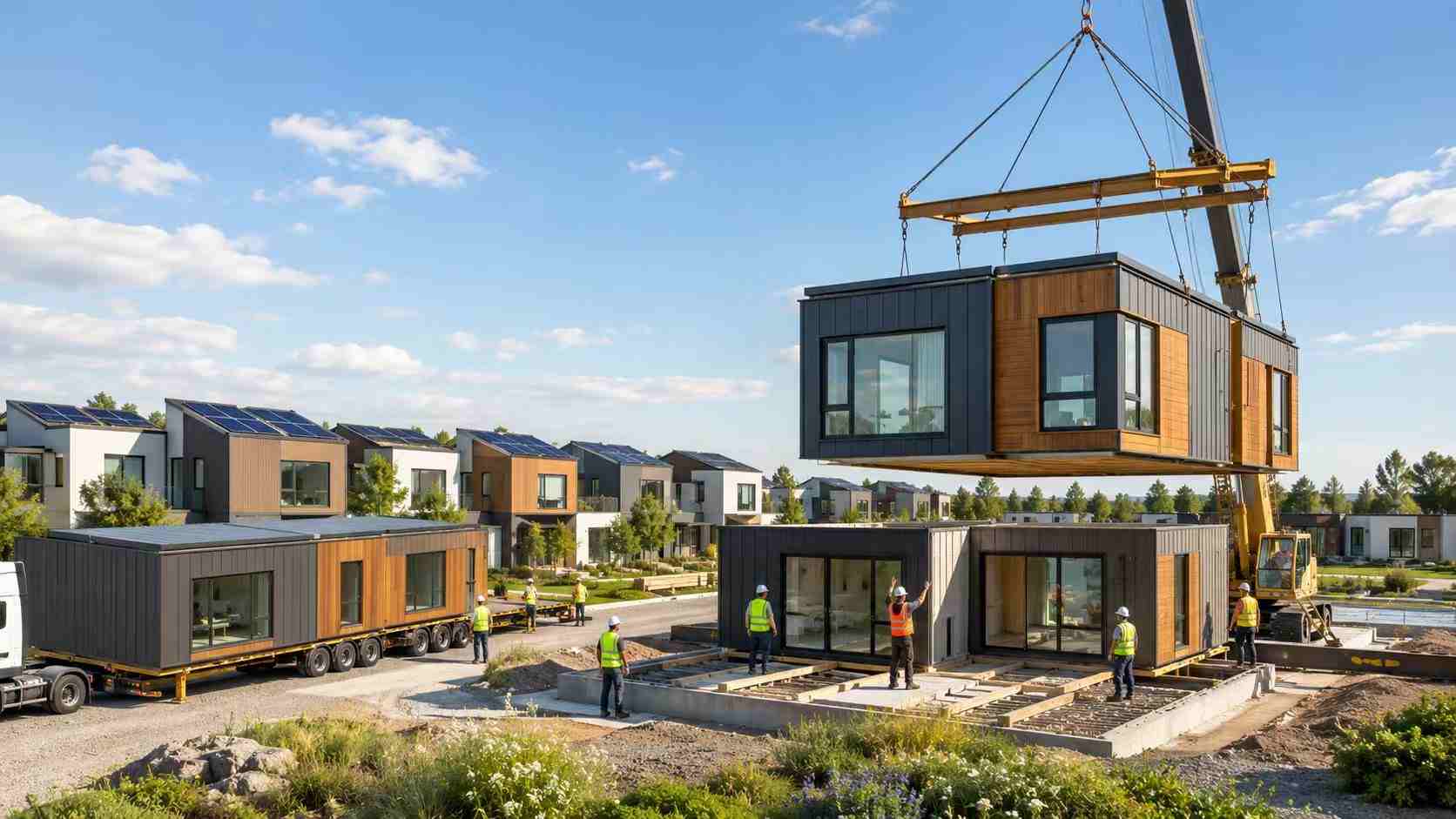
Q1: What Is Factory-Built Modular Housing?
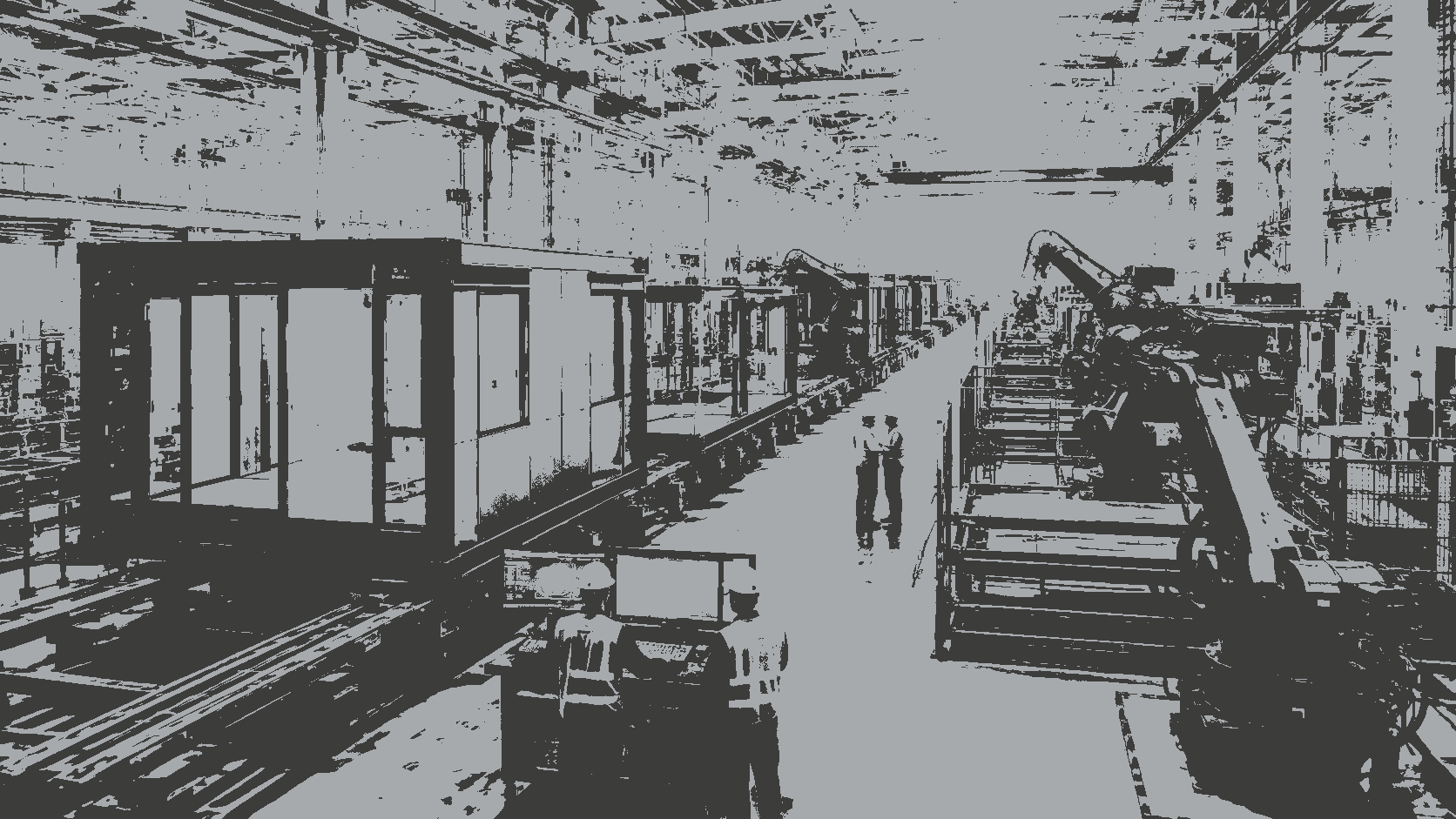
Factory-built modular housing refers to a construction method in which most structural components are manufactured inside a factory. These components typically include steel structures, insulated wall panels, windows, doors, plumbing systems, electrical installations, and portions of the interior finishing.
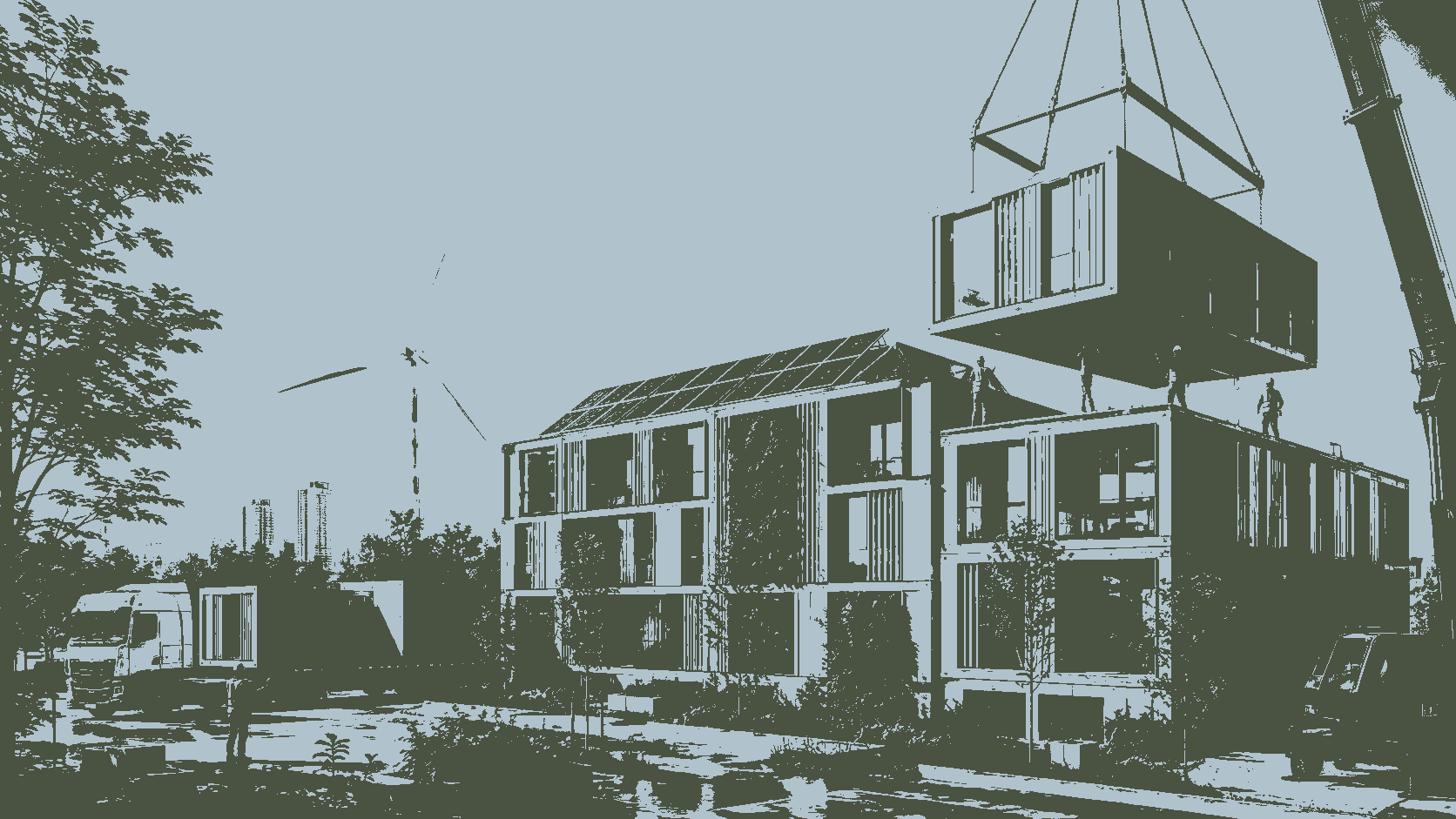
After manufacturing is completed, the modules are transported to the construction site and assembled into a complete building.
This approach minimizes on-site construction activities while improving project efficiency.
Q2: Why Can Construction Time Be Reduced by More Than 50%?
Traditional construction follows a sequential process, including foundation work, structural construction, utility installation, and interior finishing.
Modular construction allows multiple processes to occur simultaneously.
For example:
- Factory manufacturing begins immediately after design approval.
- Site preparation and foundation work proceed at the same time.
- Utility infrastructure can be installed concurrently.
- Transportation planning is completed before module delivery.
Once the foundation is finished, the factory-built modules are ready for installation, significantly shortening the overall construction schedule.
Q3: Where Does the Efficiency Improvement Come From?
Several factors contribute to improved efficiency:
- Reduced weather-related delays
- Continuous factory production
- Standardized manufacturing processes
- Better supply chain management
- Parallel construction activities
- Faster on-site assembly
Together, these advantages enable projects to be completed much sooner than traditional construction.
Q4: Which Types of Projects Benefit Most from Modular Construction?
Modular construction is widely used in:
- Residential housing
- Workforce accommodation
- Student housing
- Educational facilities
- Healthcare centers
- Office buildings
- Temporary site offices
- Commercial buildings
- Emergency housing projects
As governments seek faster infrastructure delivery, modular construction is becoming an increasingly common solution across both public and private sectors.
Q5: Is Factory-Built Construction More Sustainable?
Yes.
Factory-controlled manufacturing improves material efficiency and reduces unnecessary waste.
Compared with traditional construction, modular building generally produces:
- Less construction waste
- Lower material loss
- Reduced dust emissions
- Lower noise pollution
- Improved energy efficiency during production
These environmental benefits support the growing demand for sustainable construction worldwide.
Q6: What Will the Future of Factory-Built Housing Look Like?
Industry experts expect several technological developments to shape the future of modular construction, including:
- Automated manufacturing systems
- Smart factory production
- Building Information Modeling (BIM)
- AI-assisted construction management
- High-performance energy-efficient materials
- Smarter logistics and transportation systems
As digital technologies continue to transform the construction industry, factory-built modular housing is expected to become one of the fastest-growing segments of global construction.