Why Are Modular Homes Becoming a Key Solution to the Global Housing Shortage?
Axios
Q1: Why is the global housing shortage becoming more serious?
Many countries continue to experience housing shortages due to rapid urbanization, population growth, increasing construction costs, labor shortages, and lengthy project approval processes. Extreme weather events have also affected traditional construction schedules.

Q2: Why are modular homes attracting increasing attention?
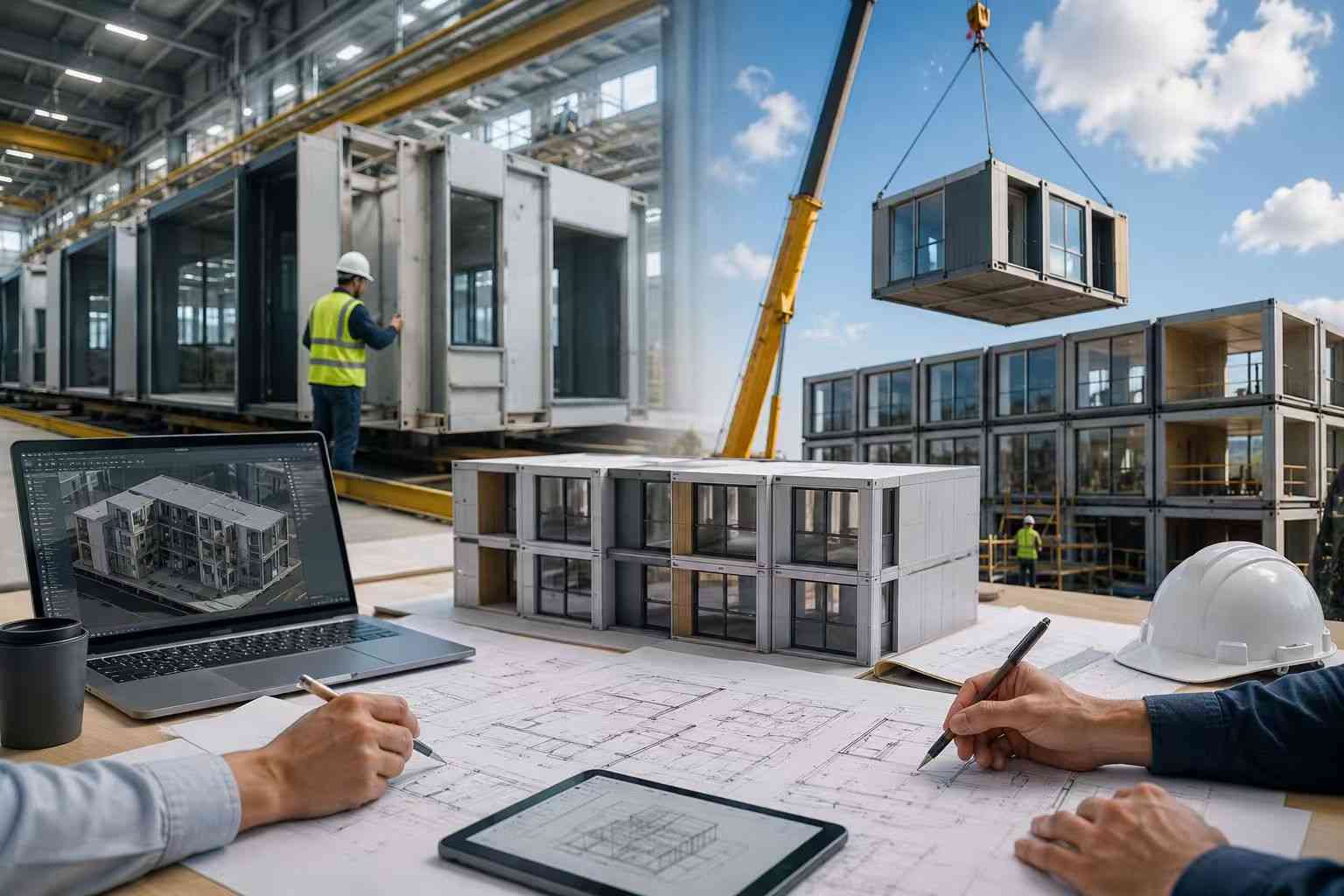
Modular homes are manufactured in factories before being transported to construction sites for final assembly.
This construction method provides several advantages:
• Faster project delivery
• Reduced weather-related delays
• Consistent manufacturing quality
• Lower construction waste
• Better alignment with sustainable building objectives
These benefits have encouraged wider adoption across residential, commercial, educational, healthcare, and temporary accommodation projects.

Q3: What is driving the growth of modular construction?
Several factors are supporting industry growth:
Growing housing demand
Many cities require faster housing delivery.
Sustainability goals
Governments and developers are placing greater emphasis on environmentally responsible construction.
Higher construction efficiency
Factory manufacturing reduces on-site labor requirements and shortens project schedules.
Improved global logistics
Standardized modular units simplify transportation and international project implementation.

Q4: What are the future trends for modular housing?
Industry analysts expect continued growth in:
• Energy-efficient building systems
• Smart home integration
• Flexible modular designs
• Commercial and public-sector applications
• International construction standards
With advances in Building Information Modeling (BIM), automated manufacturing, and sustainable construction technologies, modular housing is expected to become an increasingly important part of the global construction industry.