Why Building Codes Matter More Than Ever for Modular Construction
Construction Canada
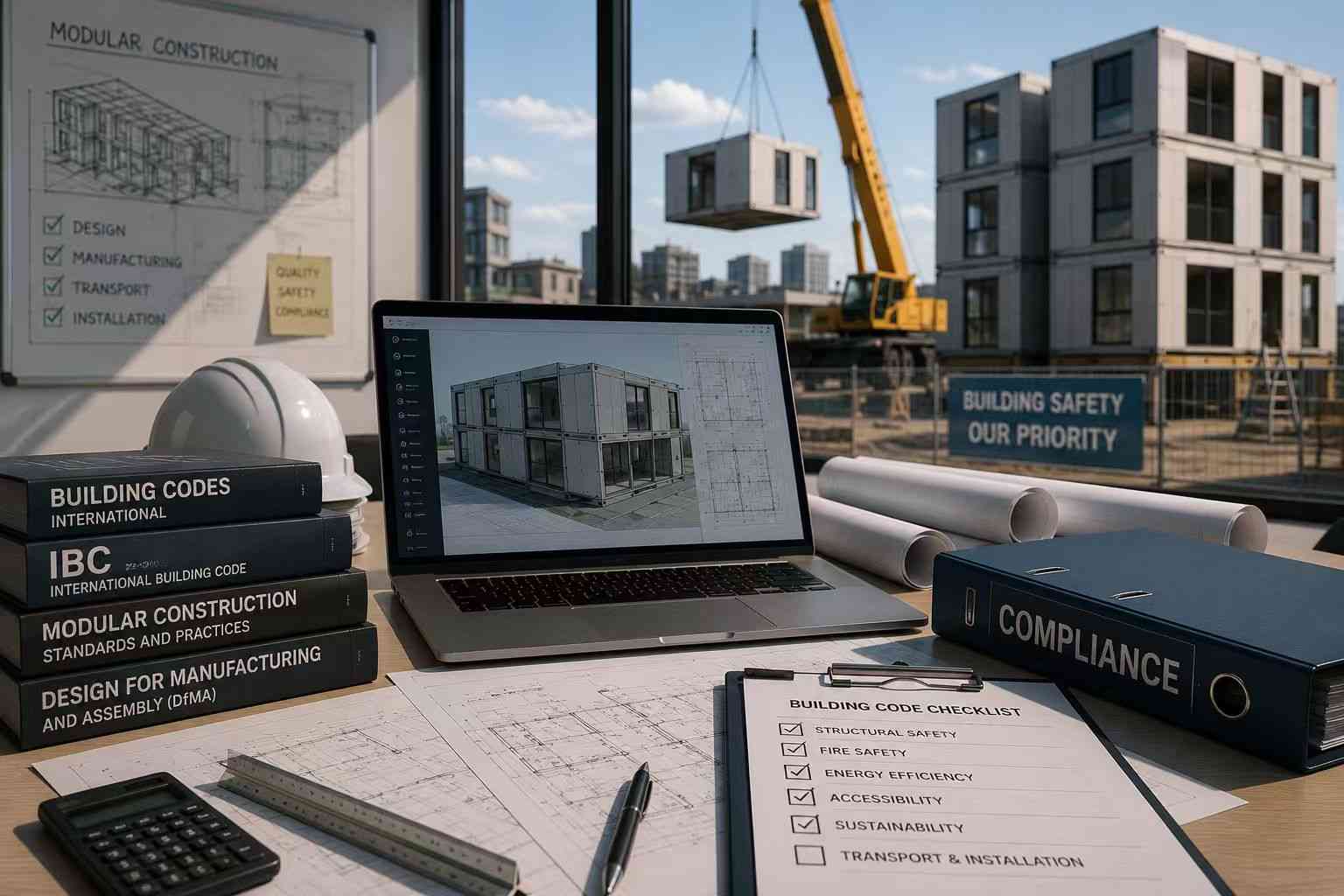
Q1: Why must modular buildings comply with local building codes?
Although modules are manufactured in factories, they become permanent buildings after installation and must comply with local structural, fire, energy-efficiency, electrical, plumbing, and inspection requirements.
Q2: Why should code compliance be addressed during the design phase?
Because most manufacturing takes place before delivery, major design changes after production begins can increase costs and delay schedules. Early coordination of code compliance, BIM, structural engineering, and MEP systems helps reduce project risks.
Q3: What compliance capabilities do international buyers value?
Buyers increasingly evaluate suppliers based on regulatory compliance, quality management systems, certification experience, engineering support, technical documentation, and integrated project delivery.
Q4: What are the future priorities?
Future development is expected to focus on international code harmonization, BIM-based compliance review, digital quality management, lifecycle traceability, improved safety standards, and stronger global regulatory coordination.