How Much Does a Modular Building Cost? Key Factors That Influence Project Costs
Modular Building Institute (MBI)
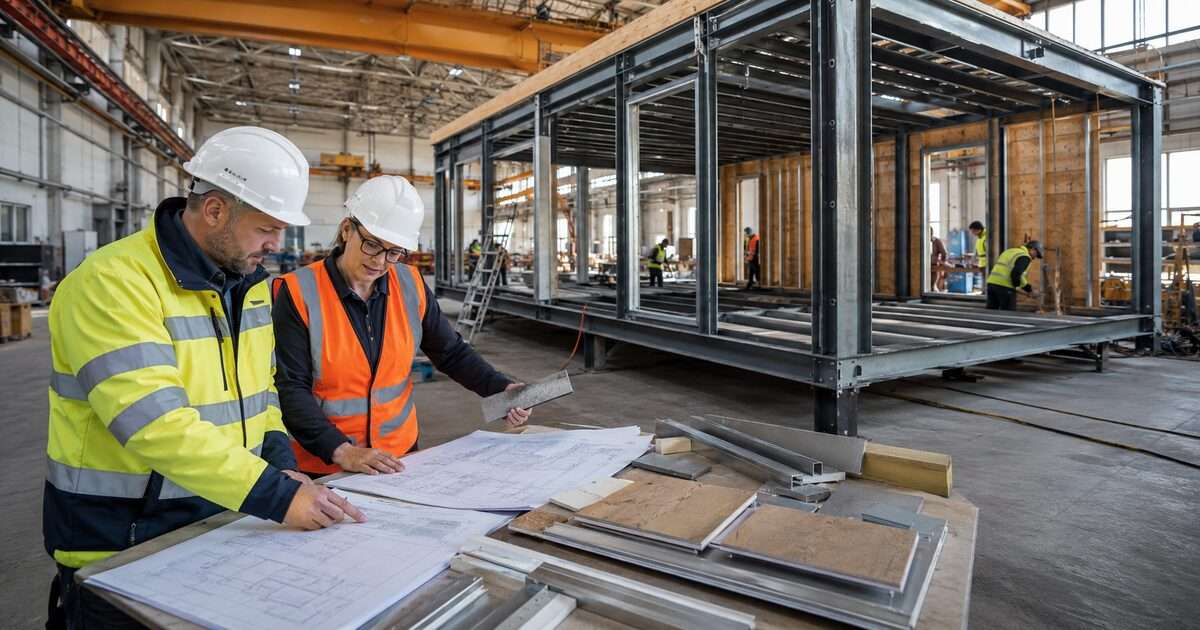
The total cost of a modular building includes much more than factory manufacturing. Buyers should consider the complete project lifecycle.
Major cost factors include:
Building Size
Floor area, number of modules, and building height influence material quantities, manufacturing time, and transportation.
Building Purpose
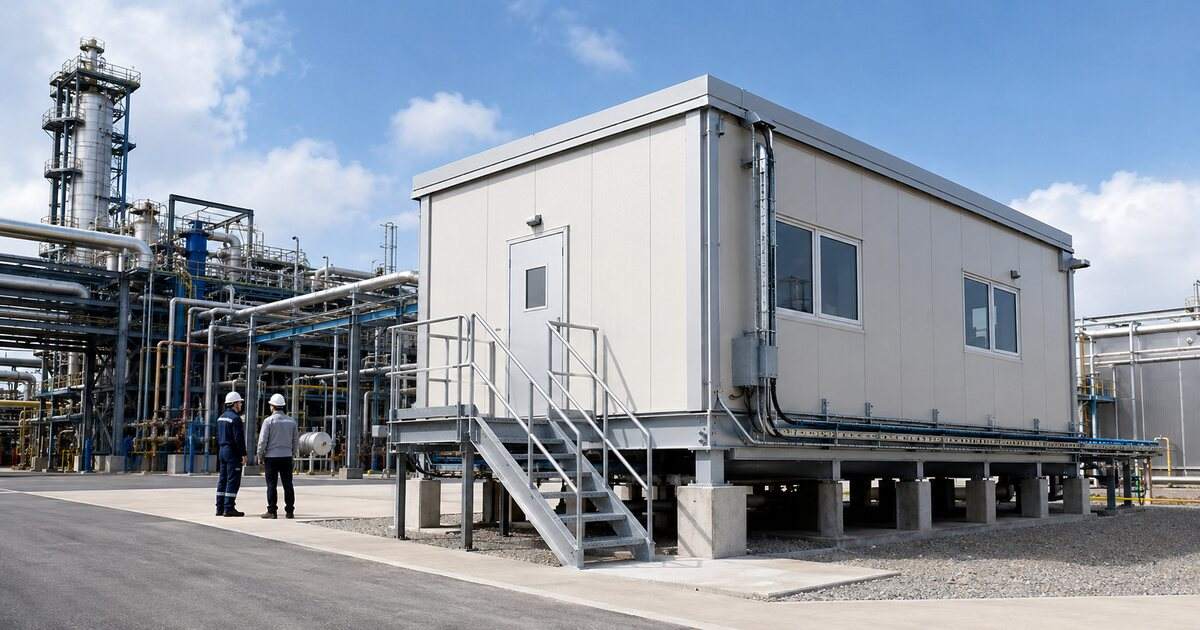
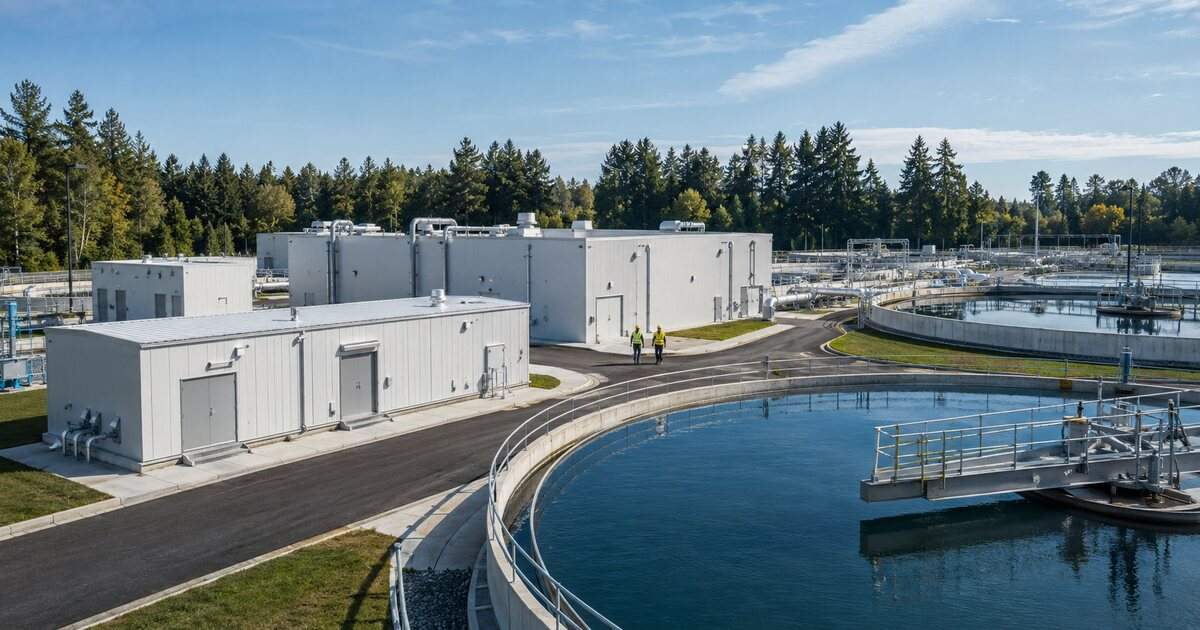
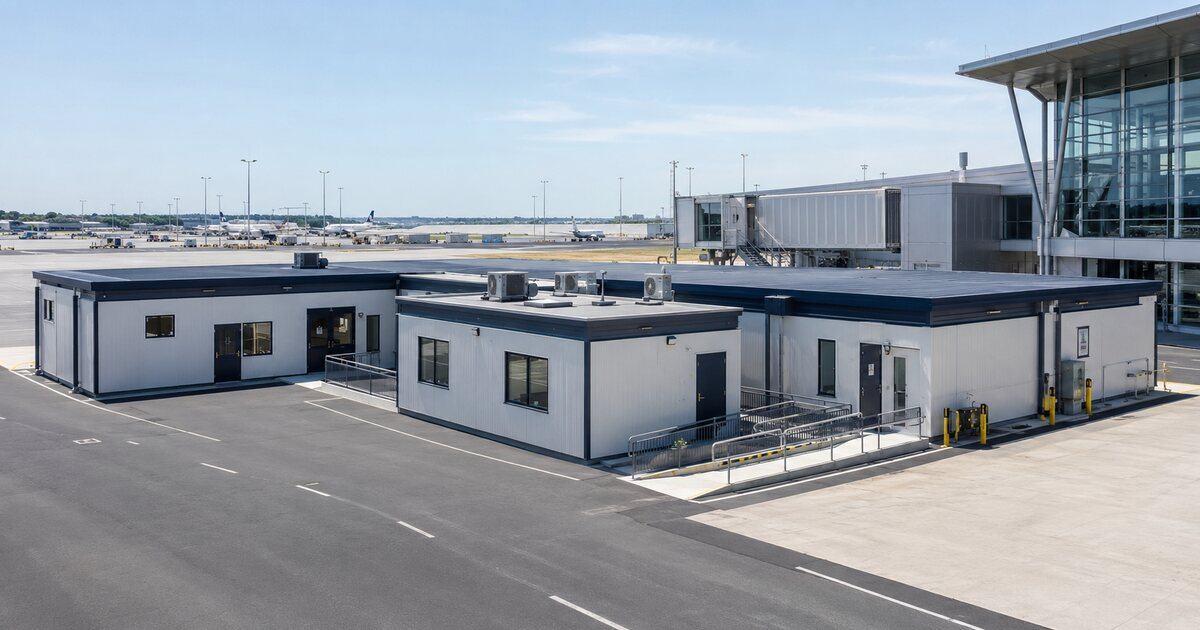
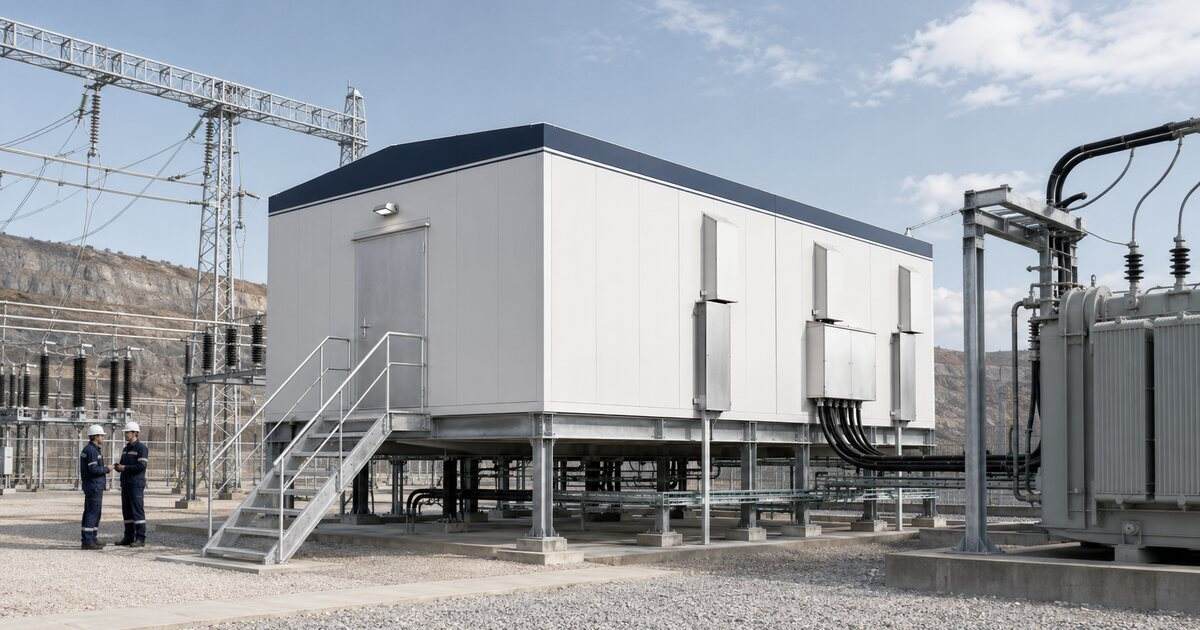
Residential, commercial, industrial, educational, and healthcare buildings often require different specifications and equipment.
Materials and Specifications
Insulation systems, doors, windows, finishes, MEP systems, and optional features all affect project cost.
Transportation and Installation
Delivery distance, oversized transportation, crane operations, and site accessibility contribute to overall expenses.
Local Requirements
Building codes, fire regulations, energy standards, engineering reviews, and permitting requirements may influence project budgets.
Frequently Asked Questions (FAQ)
Q1: Is there a standard price for modular buildings?
No. Modular building costs vary according to project size, design, specifications, logistics, installation, and local regulatory requirements.
Q2: Which factors have the greatest impact on project cost?
Building size, intended use, material specifications, transportation distance, installation conditions, and engineering requirements are among the most significant factors.
Q3: What do international buyers usually evaluate?
International buyers commonly compare engineering capability, product specifications, manufacturing quality, logistics planning, installation support, warranty, and overall project value rather than focusing only on the initial purchase price.
Q4: How can buyers obtain a more accurate quotation?
Providing information such as building dimensions, intended use, installation location, applicable building standards, and required specifications allows manufacturers to prepare a more accurate project proposal.