How Are New Green Building Regulations Creating Opportunities for Modular Housing in 2026?
BOXX Modular
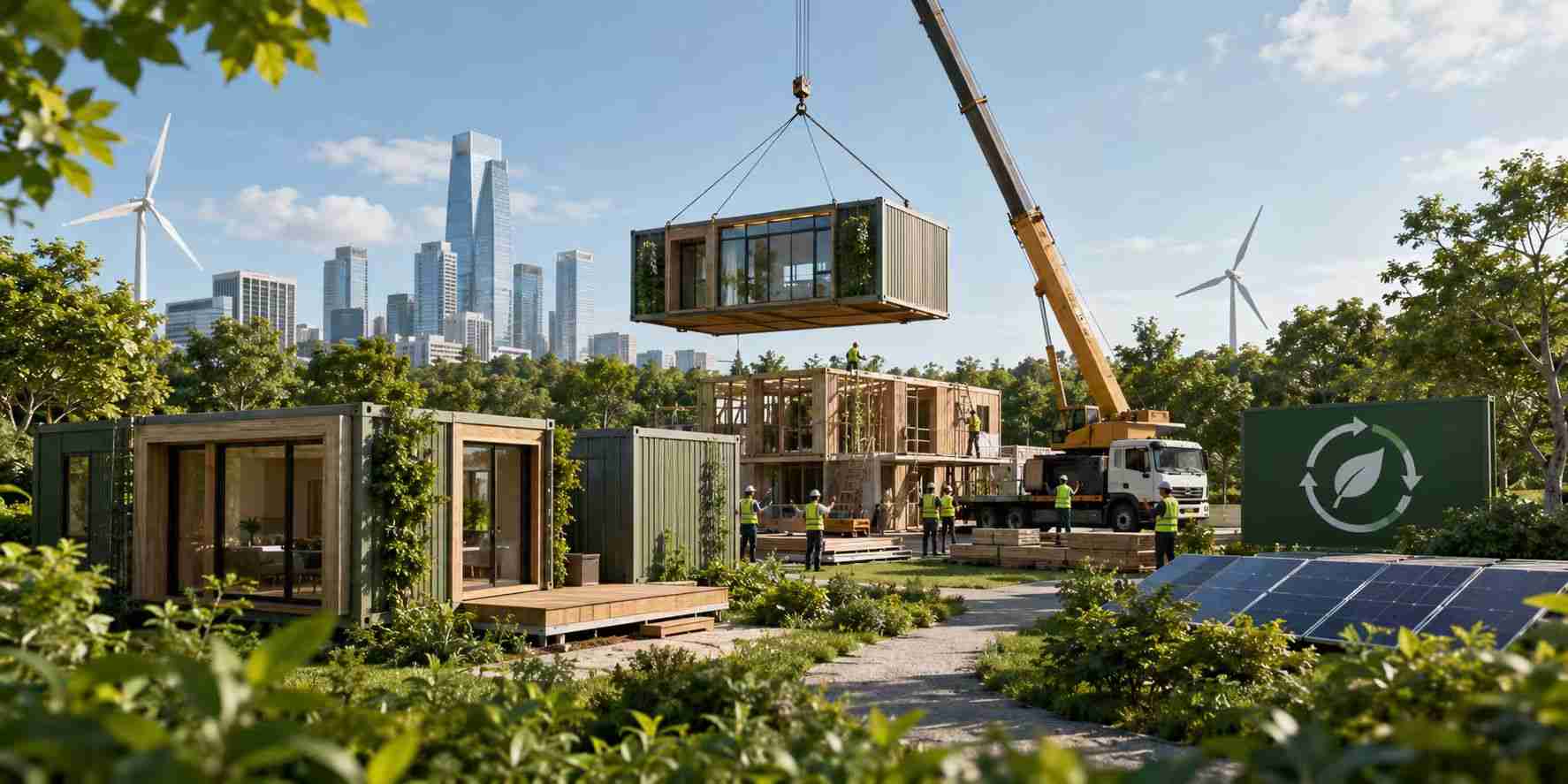
Q1: Why Are Green Building Regulations Becoming More Stringent?
Buildings account for a significant share of global energy consumption and carbon emissions. To achieve climate goals, many governments are introducing stricter regulations covering energy performance, construction waste reduction, and sustainable material use.
New standards introduced in 2026 encourage builders to adopt construction methods that improve efficiency while reducing environmental impact.

Q2: What Do Modern Green Building Regulations Focus On?
Current regulations generally emphasize:
• Higher energy efficiency
• Renewable energy integration
• Lower construction-related carbon emissions
• Greater use of recycled materials
• Reduced construction waste
• Improved indoor environmental quality
These requirements are reshaping construction practices around the world.

Q3: Why Is Modular Housing Better Positioned to Meet These Standards?
Factory-built modular housing offers several environmental advantages over conventional construction:
• Better material utilization
• Less construction waste
• Reduced on-site noise
• Lower dust emissions
• Improved manufacturing quality control
• Easier integration of energy-efficient insulation systems
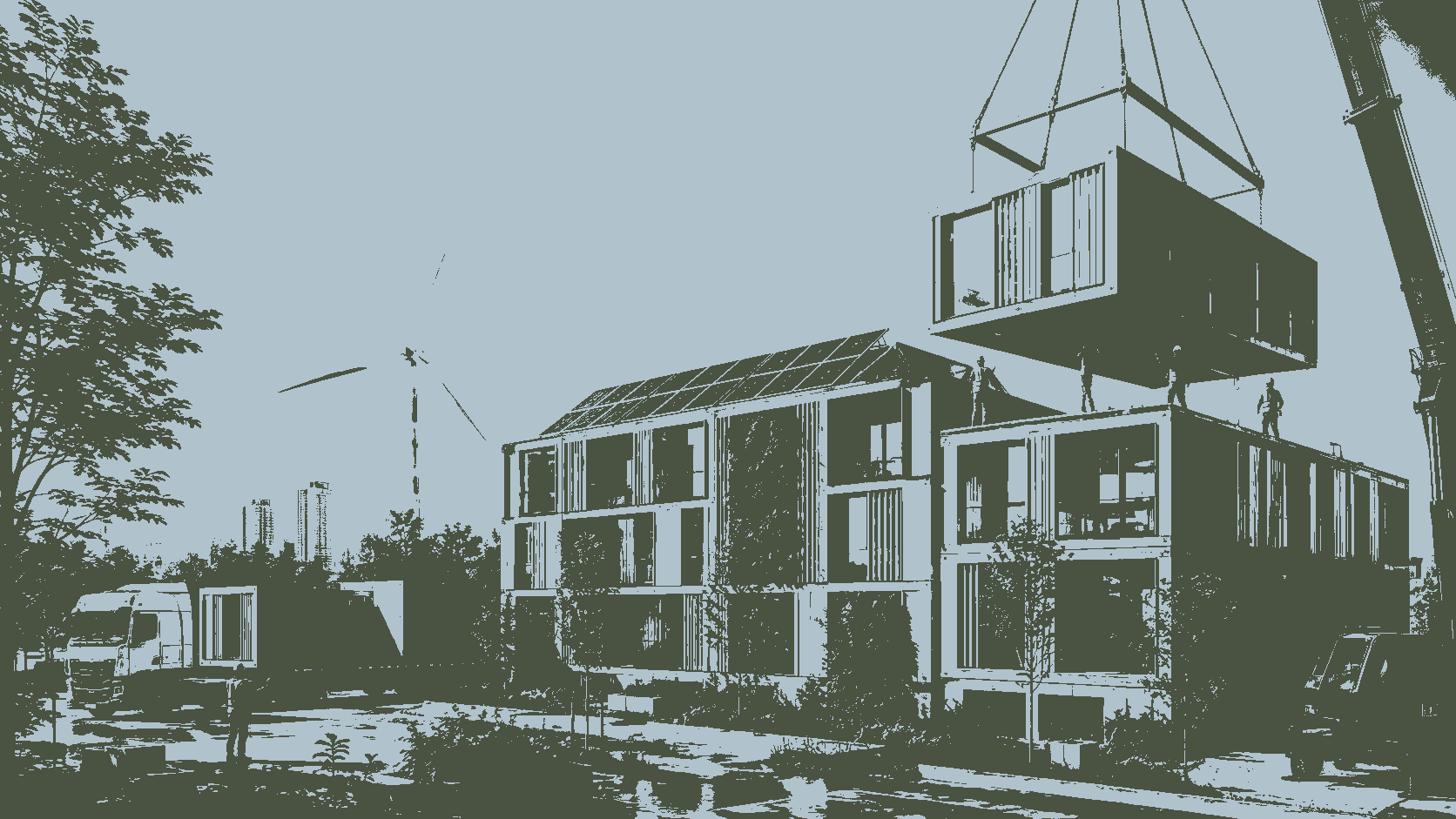
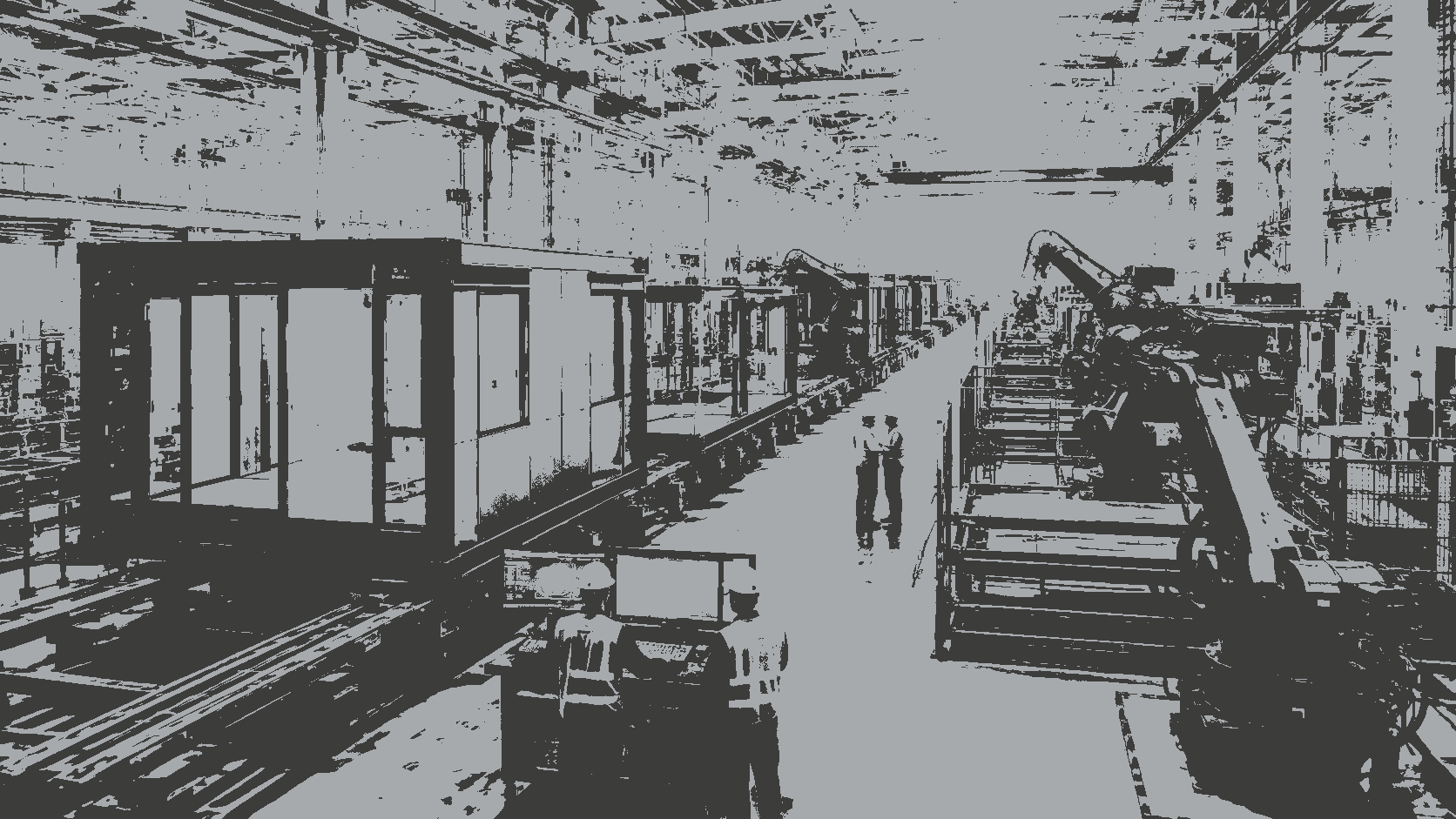
Because most work is completed in a controlled factory environment, modular construction can more easily support sustainable building objectives.

Q4: What Opportunities Do Green Regulations Create for Modular Housing?
As governments increase investment in sustainable infrastructure, modular construction is expected to expand across multiple sectors, including:
• Affordable housing
• Educational facilities
• Healthcare buildings
• Commercial offices
• Industrial developments
• Disaster recovery housing
Many public projects now include sustainability requirements during procurement, creating additional opportunities for modular construction.

Q5: What Will Be the Main Industry Trends?
Future industry development is expected to focus on:
• Increased use of recyclable building materials
• Higher-performance insulation systems
• Smart factory manufacturing
• Building Information Modeling (BIM)
• AI-assisted project management
• Whole-life carbon management
Sustainability, digitalization, and industrialized construction are expected to become the defining characteristics of the modular housing industry.