Why Is Modular Housing Becoming the Preferred Solution for Affordable Housing in 2026?
Reuters
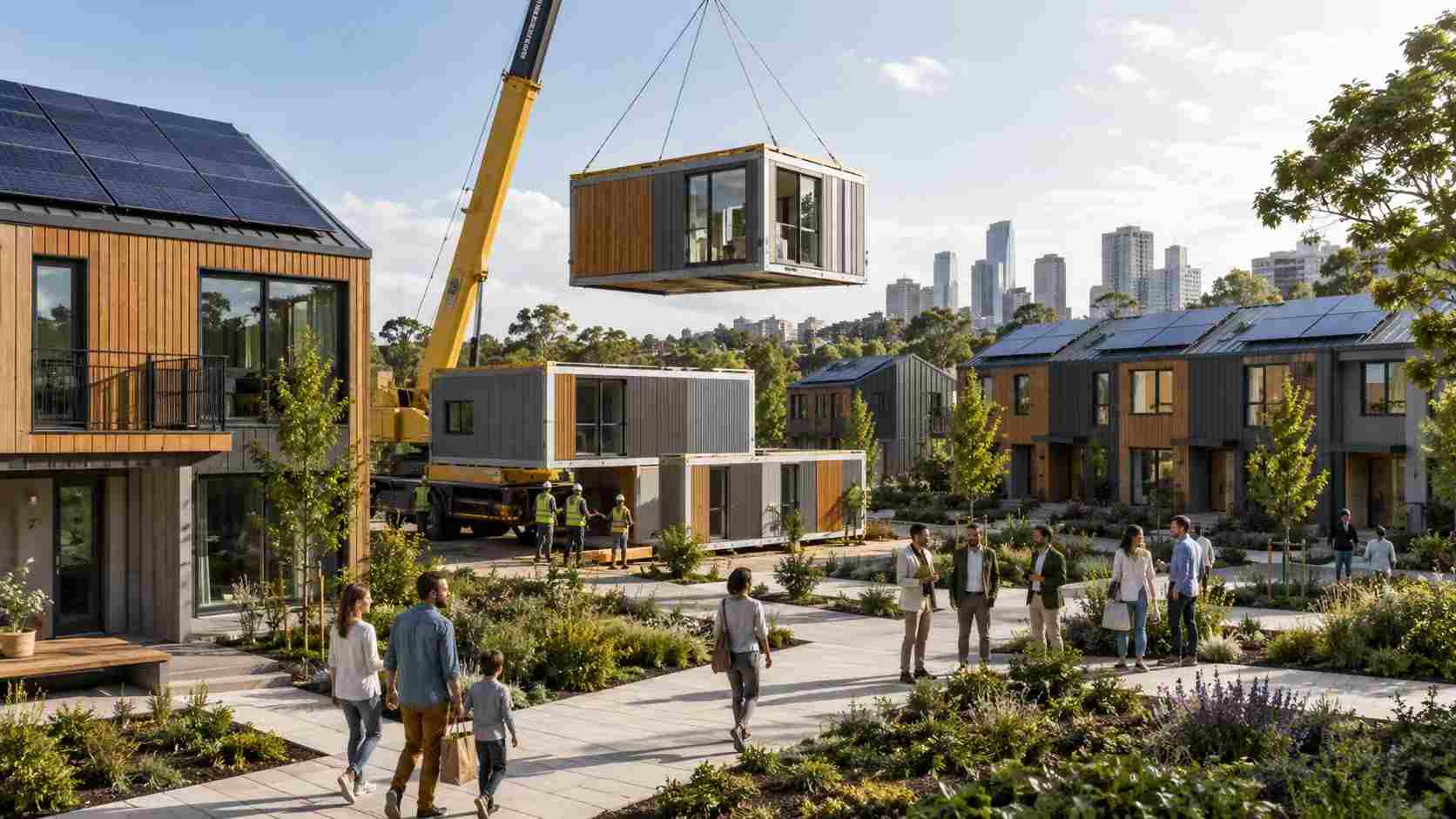
Q1: Why Is Modular Housing Receiving So Much Global Attention in 2026?
As housing shortages continue to grow around the world, governments are facing increasing pressure to deliver affordable homes more quickly. Rising construction costs, labor shortages, and longer project timelines have made traditional building methods less efficient for meeting urgent housing demand.
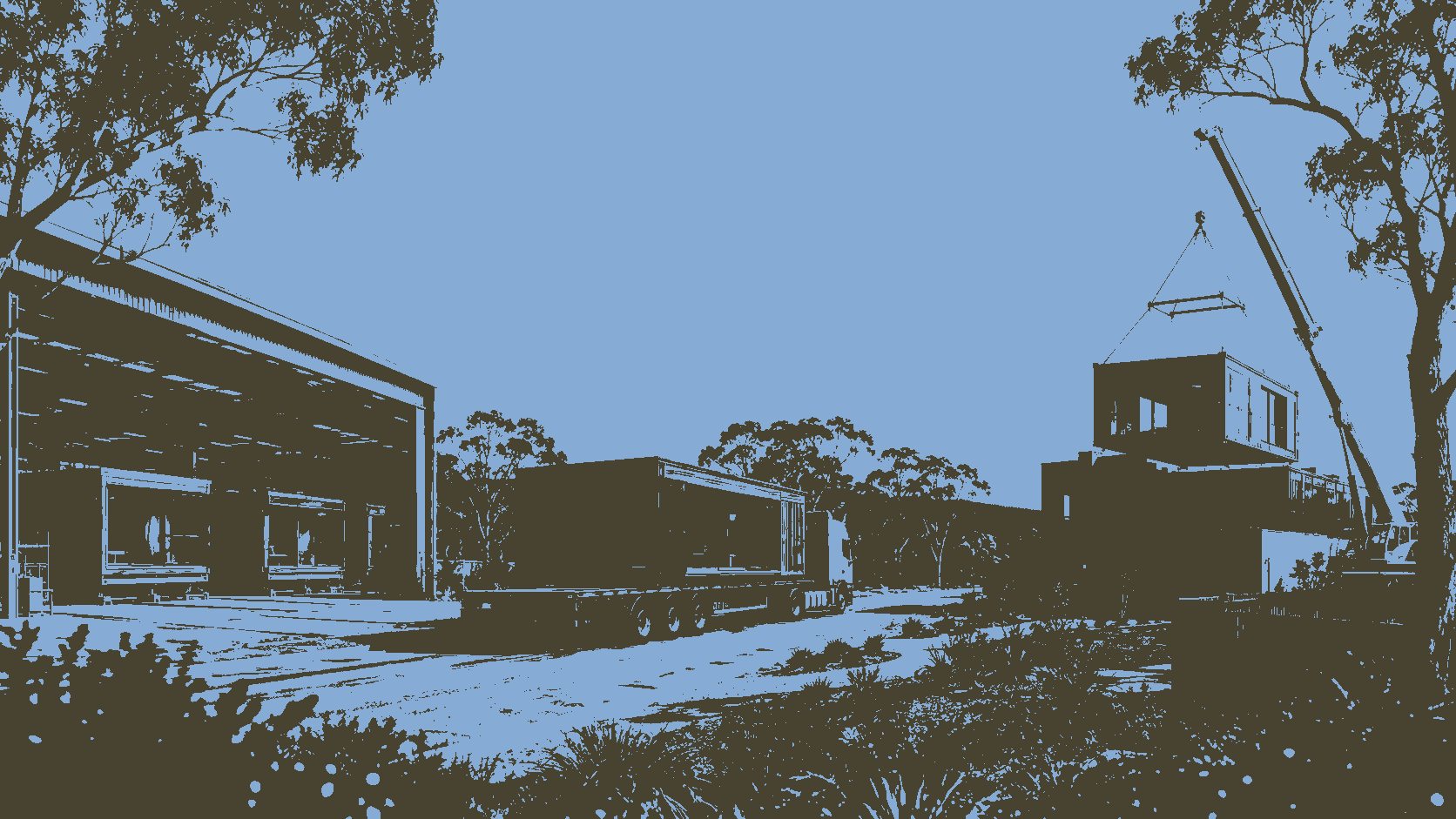
Modular housing has emerged as a practical solution because a large portion of the construction process takes place in a factory before the building modules are transported to the project site. This approach significantly reduces on-site construction time while improving project efficiency.
As a result, many countries are incorporating modular housing into their long-term housing strategies to expand residential capacity and improve housing accessibility.
Q2: What Is Modular Housing?
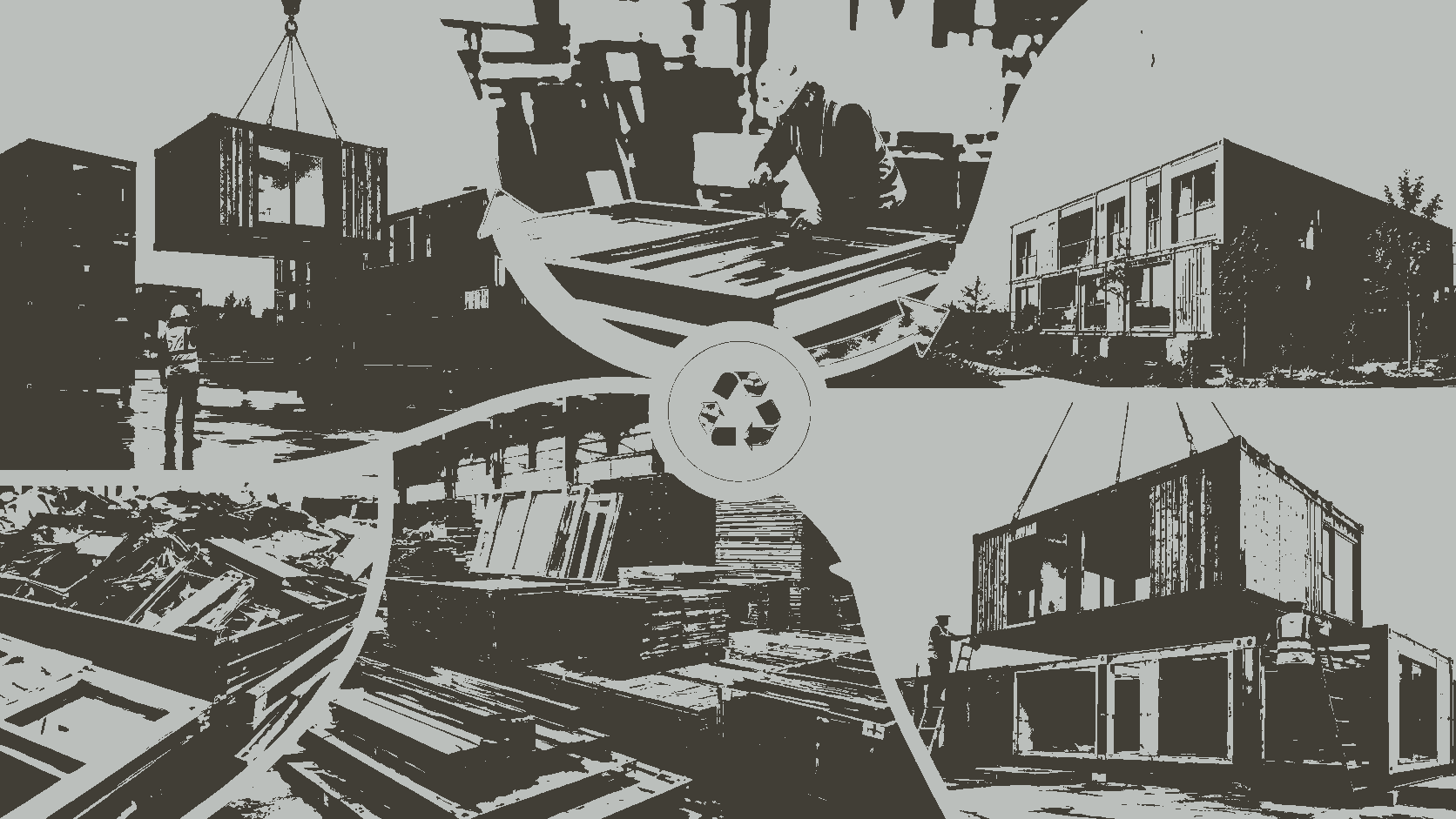
Modular housing is a construction method in which a building is divided into multiple factory-built modules. Each module is manufactured under controlled factory conditions and may include structural components, walls, insulation, windows, doors, electrical wiring, plumbing systems, and interior finishes.
Once completed, the modules are transported to the construction site and assembled on prepared foundations to form a complete building.
Unlike conventional construction, where nearly all work is completed on-site, modular construction shifts much of the building process into a controlled manufacturing environment. This improves construction quality, shortens project schedules, and minimizes weather-related delays.
Q3: Why Are Governments Increasingly Supporting Modular Construction?
Many governments are recognizing modular construction as an effective way to address housing shortages while improving construction efficiency.
Recent housing initiatives have emphasized several key objectives:
- Accelerating housing delivery
- Supporting innovative construction methods
- Encouraging factory-built housing
- Improving project efficiency
- Expanding affordable housing supply
By reducing construction time and improving productivity, modular housing helps governments respond more effectively to growing residential demand.
In addition, factory production offers greater quality consistency and allows projects to be completed with fewer disruptions than traditional construction.
Q4: What Are the Main Advantages of Modular Housing?
Compared with conventional construction, modular housing offers several significant advantages.
Faster Construction
Because site preparation and factory manufacturing occur simultaneously, overall project timelines can be significantly reduced.
Cost Efficiency
Standardized manufacturing processes help reduce labor costs, improve productivity, and minimize material waste.
Higher Quality Control
Factory production takes place in a controlled environment, allowing for consistent manufacturing standards and rigorous quality inspections throughout the production process.
Environmental Sustainability
Modular construction typically generates less construction waste and supports more efficient use of materials, making it an environmentally responsible building solution.
Flexible Design
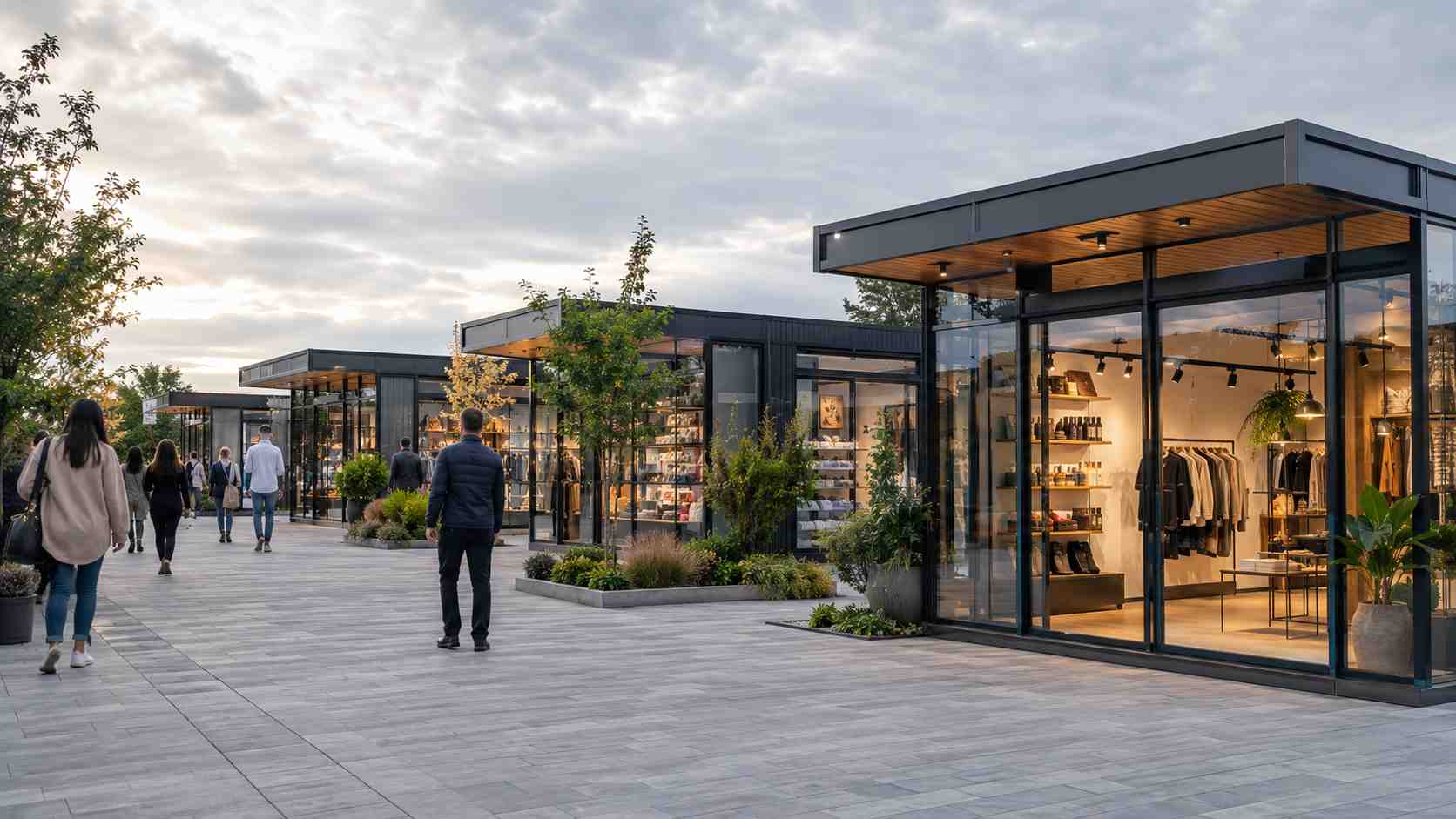
Modern modular buildings can be customized for a wide range of applications, including residential housing, workforce accommodation, schools, healthcare facilities, offices, and commercial buildings.
Q5: Is Modular Housing Suitable for Disaster Recovery?
Yes.
Following natural disasters such as earthquakes, floods, hurricanes, and wildfires, communities often require safe housing within a very short period of time.
Because modular units can be manufactured while site preparation is underway, they can be delivered and installed much faster than traditional buildings.
This makes modular housing an ideal solution for:
- Emergency temporary housing
- Disaster recovery accommodation
- Community rebuilding projects
- Remote-area housing
- Humanitarian relief operations
The ability to rapidly restore safe living conditions is one of the key reasons modular housing is increasingly adopted for emergency response projects worldwide.
Q6: What Is the Future of Modular Housing?
Industry experts expect modular construction to continue growing as new technologies improve both manufacturing efficiency and building performance.
Several major trends are shaping the future of the industry:
- Greater use of automated factory production
- Integration of Building Information Modeling (BIM)
- AI-assisted project planning and construction management
- Adoption of low-carbon and sustainable building materials
- Higher energy-efficiency standards
- Increased digitalization throughout the construction process
As governments, developers, and construction companies continue to pursue faster, greener, and more cost-effective building solutions, modular housing is expected to play an increasingly important role across residential, commercial, educational, healthcare, and public infrastructure projects.
Rather than replacing traditional construction entirely, modular construction is becoming an important complement that helps improve efficiency, sustainability, and project delivery in the global construction industry.