Growing Demand for Modular Fire Stations Supports Rapid Emergency Service Deployment
Modular Building Institute
Q1: Why are fire stations well suited for modular construction?
FAQ 1
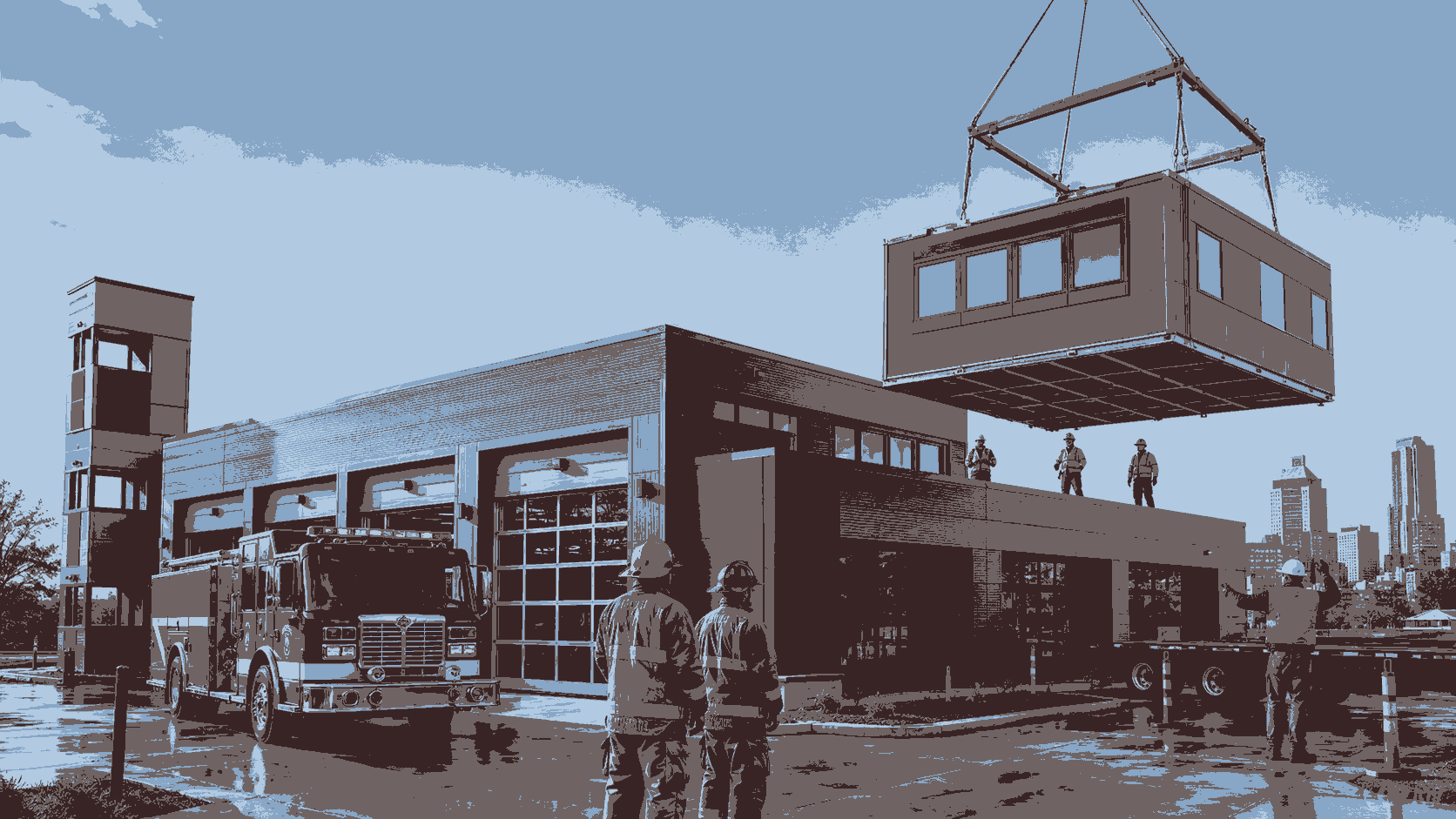
Fire stations require rapid deployment to maintain effective emergency response coverage. Modular construction allows most building work to be completed in a factory before installation on site, significantly reducing construction time. Factory-controlled manufacturing also improves quality consistency for structural, electrical, and operational systems, making it easier for municipalities to expand fire service capacity efficiently.
Q2: What facilities are typically included in a modular fire station?
FAQ 2
Modular fire stations can include apparatus bays, control rooms, equipment storage areas, training rooms, dormitories, kitchens, and sanitary facilities. In growing communities, projects can also be developed in phases, starting with essential operational modules and adding additional facilities as demand increases.
Q3: What do international buyers usually evaluate?
FAQ 3
International buyers generally assess compliance with local fire and building regulations, structural durability, manufacturing quality, engineering support, transportation planning, and installation experience. For emergency service projects, delivery speed and long-term maintenance costs are often major considerations.
Q4: What are the future trends for modular fire stations?
FAQ 4
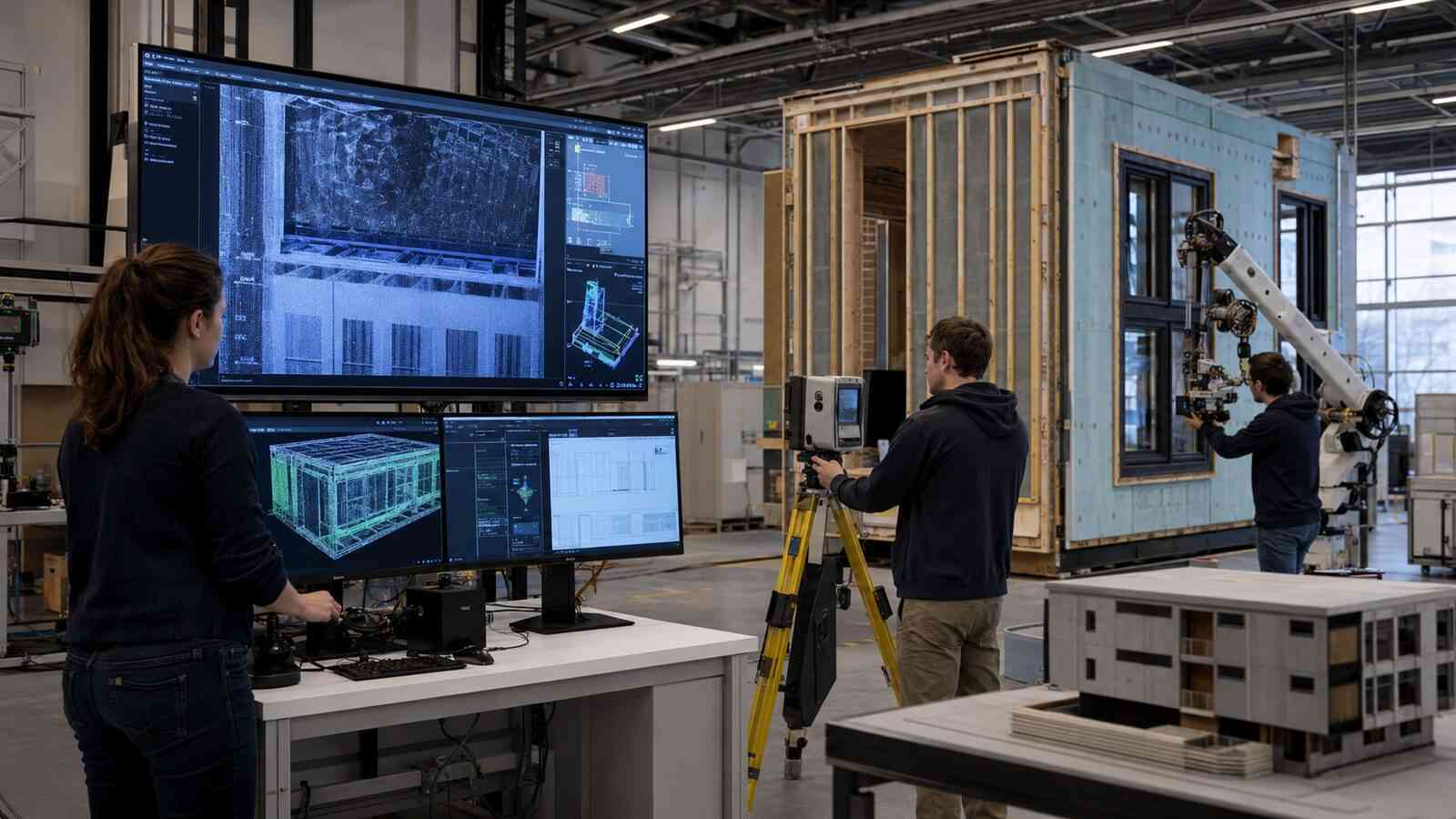
Future modular fire stations are expected to incorporate smart building management systems, energy-efficient materials, renewable energy integration, and standardized equipment interfaces. BIM-based design and advanced manufacturing technologies are also likely to improve construction efficiency and long-term operational performance.