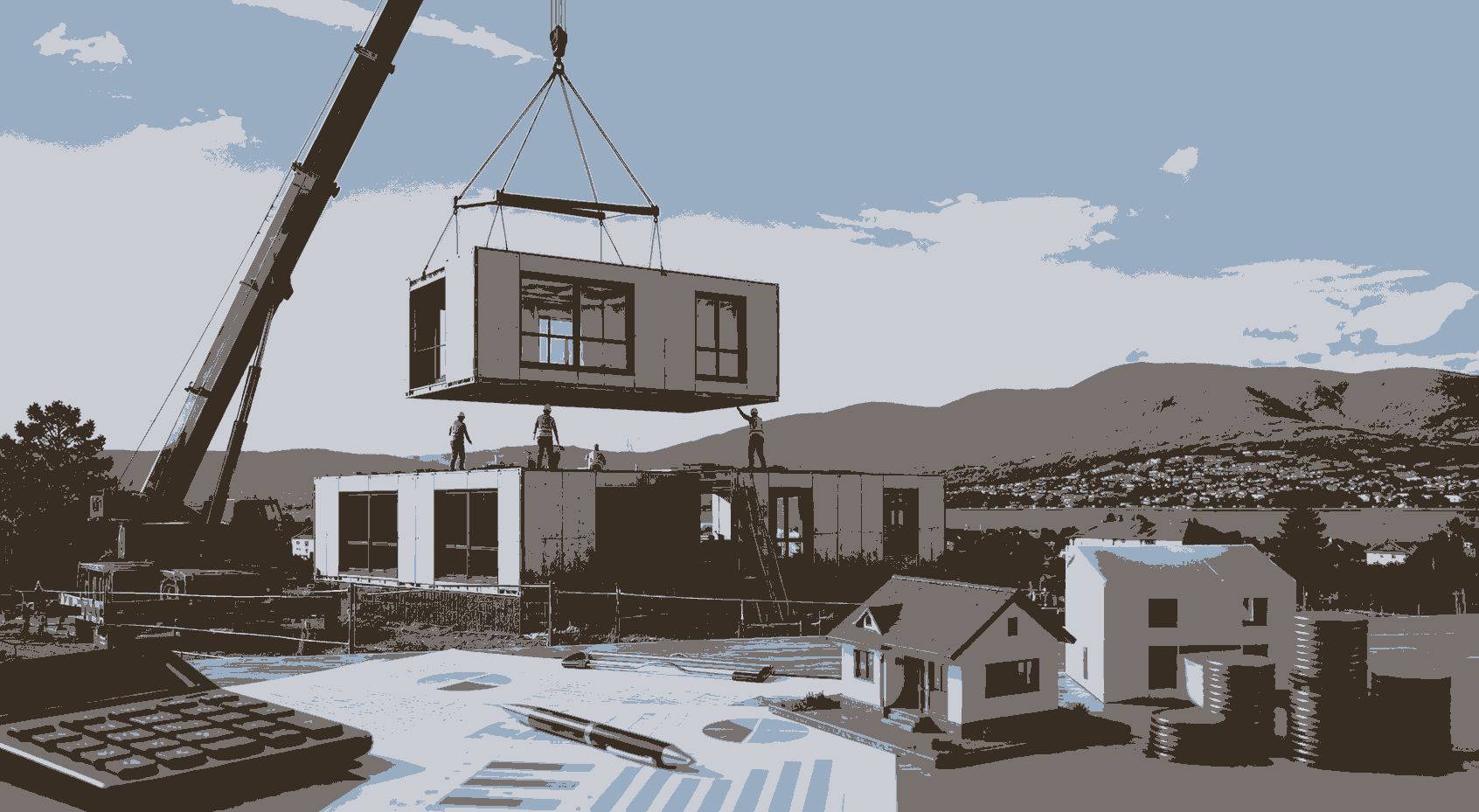
New Zealand Opens Modular Police Station, Highlighting Growth of Modular Public Safety Buildings
Inside Government New Zealand
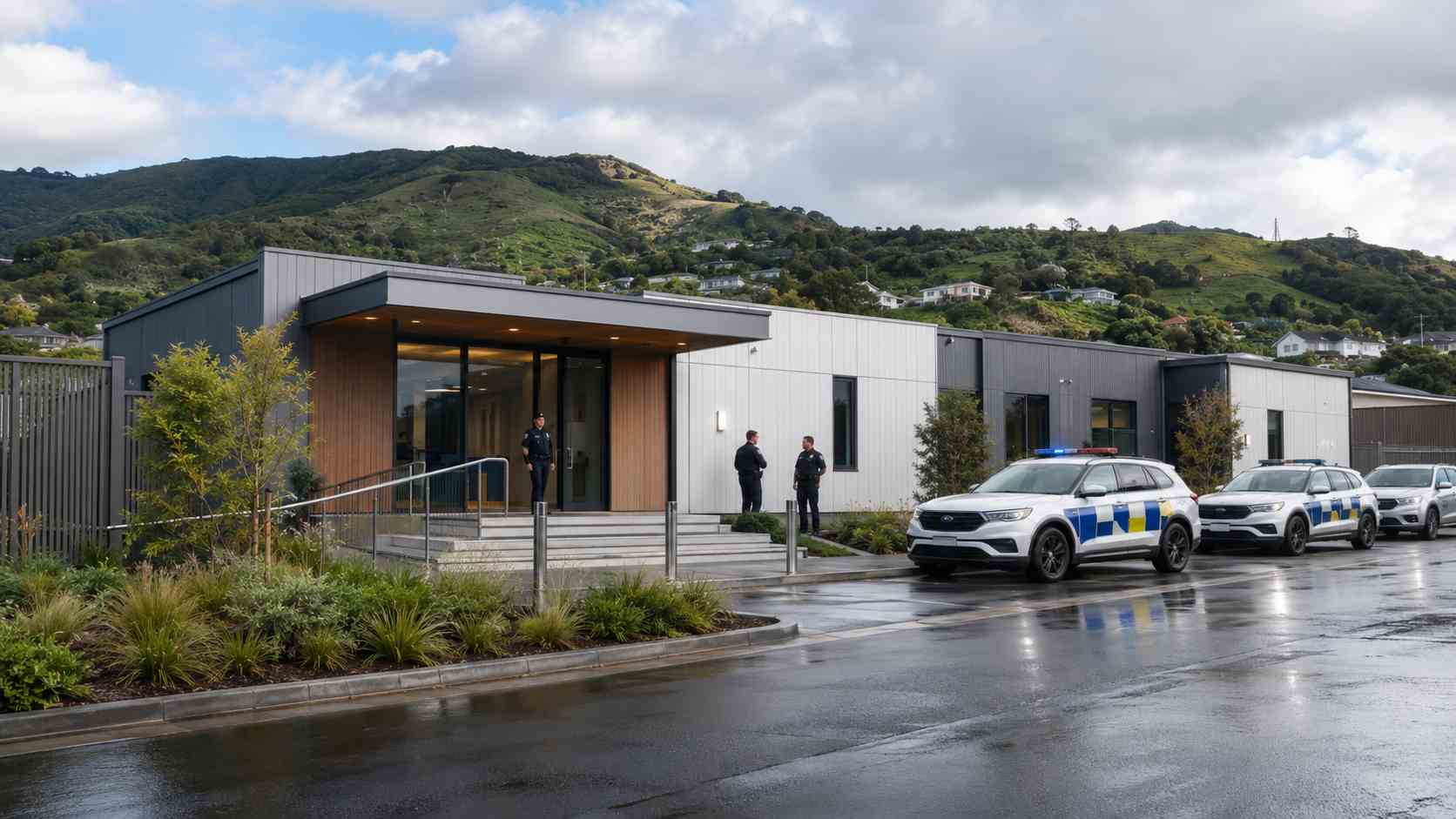
Q1: Why are more police stations being built using modular construction?
Police stations are essential public facilities that must remain operational throughout construction projects. Modular construction enables most building components to be manufactured in factories before rapid on-site installation, reducing construction time and minimizing disruption to local communities. Factory-controlled production also improves quality consistency, enhances construction efficiency, and helps government agencies manage project costs more effectively.
Q2: What facilities are typically included in a modular police station?
A modular police station may include reception areas, administrative offices, meeting rooms, patrol briefing rooms, evidence storage, interview rooms, training spaces, technical equipment rooms, and staff facilities. The modular design allows flexible layouts and future expansion to meet changing operational requirements.
Q3: What do international buyers usually evaluate?
International buyers generally assess structural safety, fire resistance, durability, energy efficiency, compliance with local building regulations, manufacturing quality, engineering capability, project delivery experience, and installation support. Long-term maintenance costs and lifecycle performance are also important considerations.
Q4: What are the future trends for modular public safety buildings?
Future modular public safety facilities are expected to integrate digital design, smart building management systems, sustainable materials, and standardized manufacturing. As governments continue modernizing public infrastructure, modular construction is likely to play a larger role in delivering high-quality, cost-effective public buildings.
Related News
Autovol Expands Factory Capacity to Meet Rising Demand for Modular Multifamily Housing
2026-06-02
Read More
Graitec Joins the United Nations Global Compact to Advance Sustainable Construction
2026-06-02
Read More