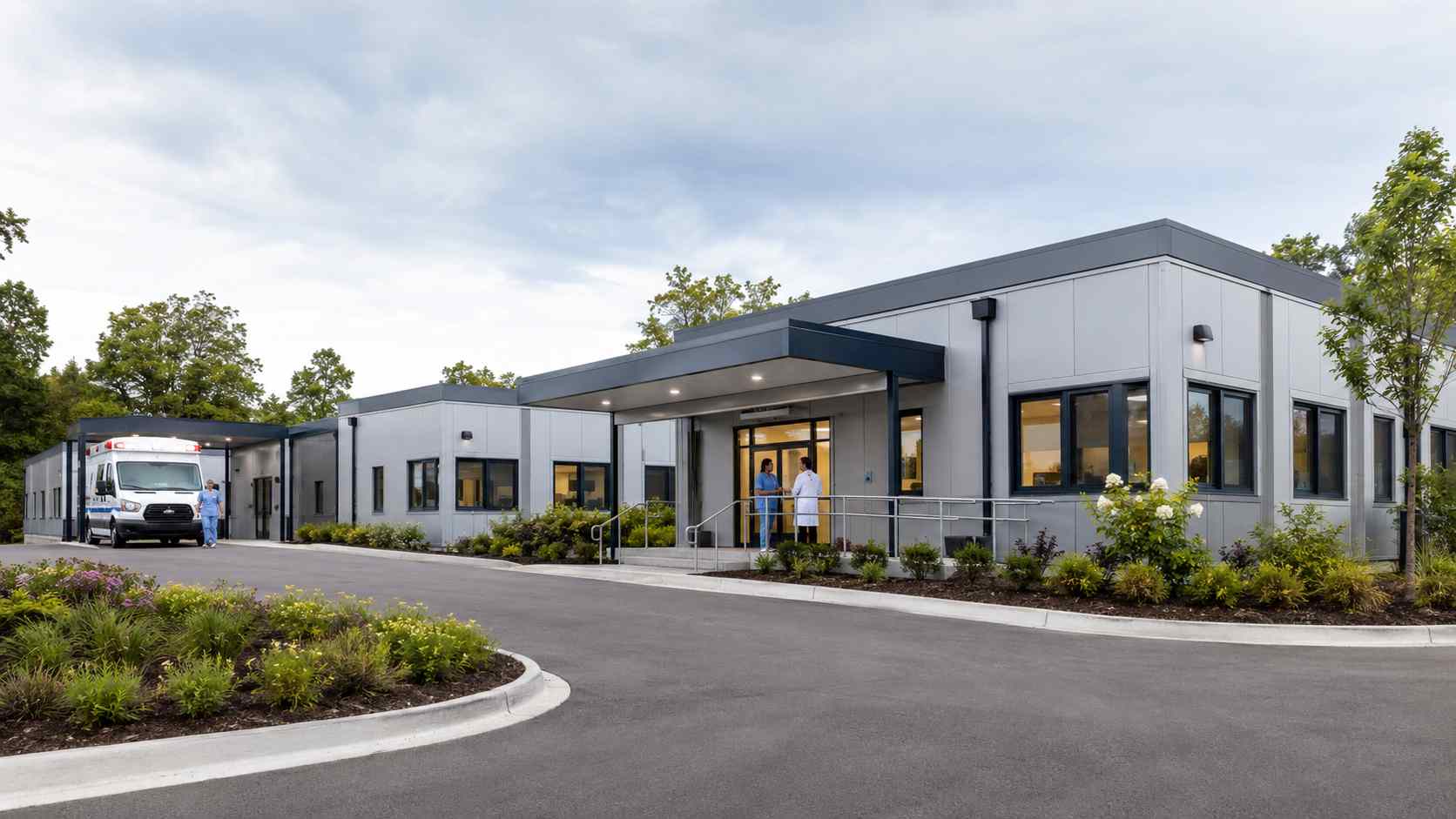
Modular Construction Supports Airport Infrastructure Upgrades with Faster Project Delivery
Airport Technology

Q1: Why are more airports adopting modular construction?
Airports operate continuously, making it essential to minimize disruption during construction. Modular construction allows most building components to be manufactured in factories before rapid on-site installation. This significantly reduces construction time, limits operational interruptions, improves safety, and helps airport authorities complete infrastructure projects more efficiently.
Q2: Which airport facilities can be built using modular construction?
Modular construction can be used for terminal expansions, passenger waiting areas, security checkpoints, administrative offices, equipment rooms, staff facilities, retail spaces, and temporary operational buildings. Flexible modular designs also allow airports to expand facilities as passenger demand grows.
Q3: What do international buyers usually evaluate?
International buyers typically assess structural quality, fire safety, energy performance, compliance with airport regulations, manufacturing capability, engineering expertise, logistics planning, installation support, and previous project experience. Reliable project delivery and construction management are especially important for airport infrastructure projects.
Q4: What are the future trends in modular airport construction?
Future airport projects are expected to integrate digital engineering, smart building technologies, sustainable materials, and standardized manufacturing. As airports continue to modernize worldwide, modular construction is likely to become an increasingly effective solution for delivering high-quality facilities within shorter construction schedules.