New U.S. Housing Legislation Creates Fresh Opportunities for Modular Housing in 2026
AP News
Q1: Why Has the 2026 U.S. Housing Bill Attracted So Much Attention?
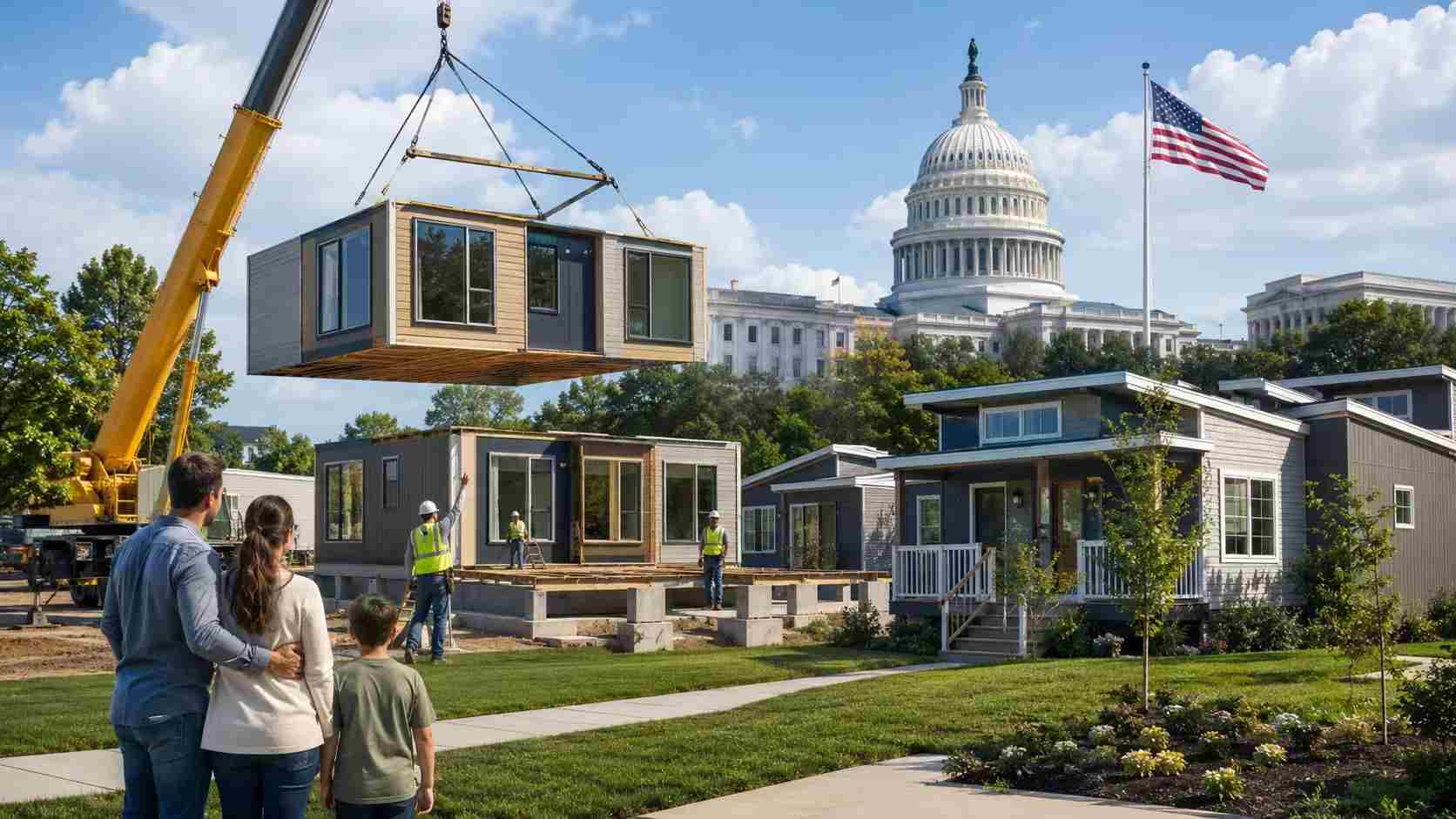
The United States continues to face housing shortages, rising construction costs, and labor constraints. In response, Congress passed a bipartisan housing reform bill in June 2026 to improve housing affordability and accelerate residential development.
The legislation encourages more efficient construction practices, supports innovative building technologies, and aims to increase the overall housing supply.
Q2: Why Does the Bill Encourage Innovative Construction Methods?
Traditional construction projects often require lengthy schedules and are affected by weather conditions, labor availability, and supply chain disruptions.
Factory-built modular construction allows manufacturing and site preparation to proceed simultaneously, improving efficiency and reducing project timelines.
For this reason, policymakers increasingly recognize industrialized construction as an effective solution for expanding housing supply.
Q3: What Are the Advantages of Modular Housing?
Compared with conventional construction, modular housing provides:
Faster project delivery
Consistent factory-controlled quality
Better material utilization
Reduced on-site environmental impact
Easier standardization
Greater scalability for large housing projects
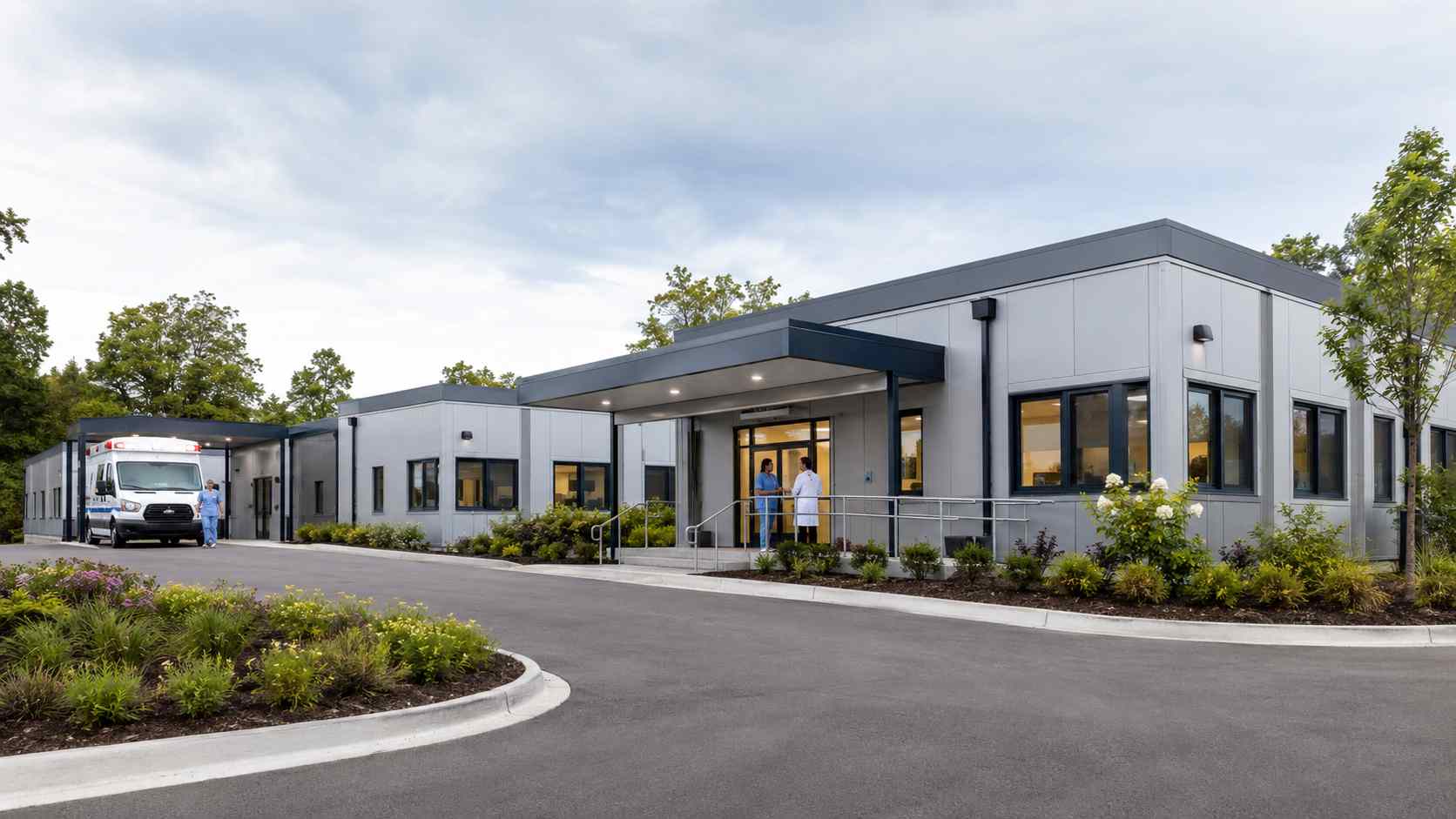
These advantages make modular housing suitable for affordable housing, public facilities, schools, healthcare buildings, and disaster recovery projects.
Q4: How Could These Policy Changes Influence the Global Construction Industry?
Housing policy reforms in the United States reflect broader international trends.
Many countries are now focusing on:
Increasing housing productivity
Expanding industrialized construction
Promoting sustainable buildings
Addressing labor shortages
Accelerating digital transformation
These developments are expected to create additional opportunities for modular construction worldwide.
Q5: What Does the Future Look Like for Modular Construction?
Future industry development is expected to include:
Automated manufacturing
BIM-based digital design
AI-assisted construction management
Energy-efficient building materials
Whole-life asset management
Smart logistics systems
As technology and policy continue to evolve, modular construction is expected to become an increasingly important part of the global construction industry.