UK Modular Construction Company Expands as Public Sector Projects Drive Growth
The Times

Q1: Why is modular construction becoming more common in public buildings?
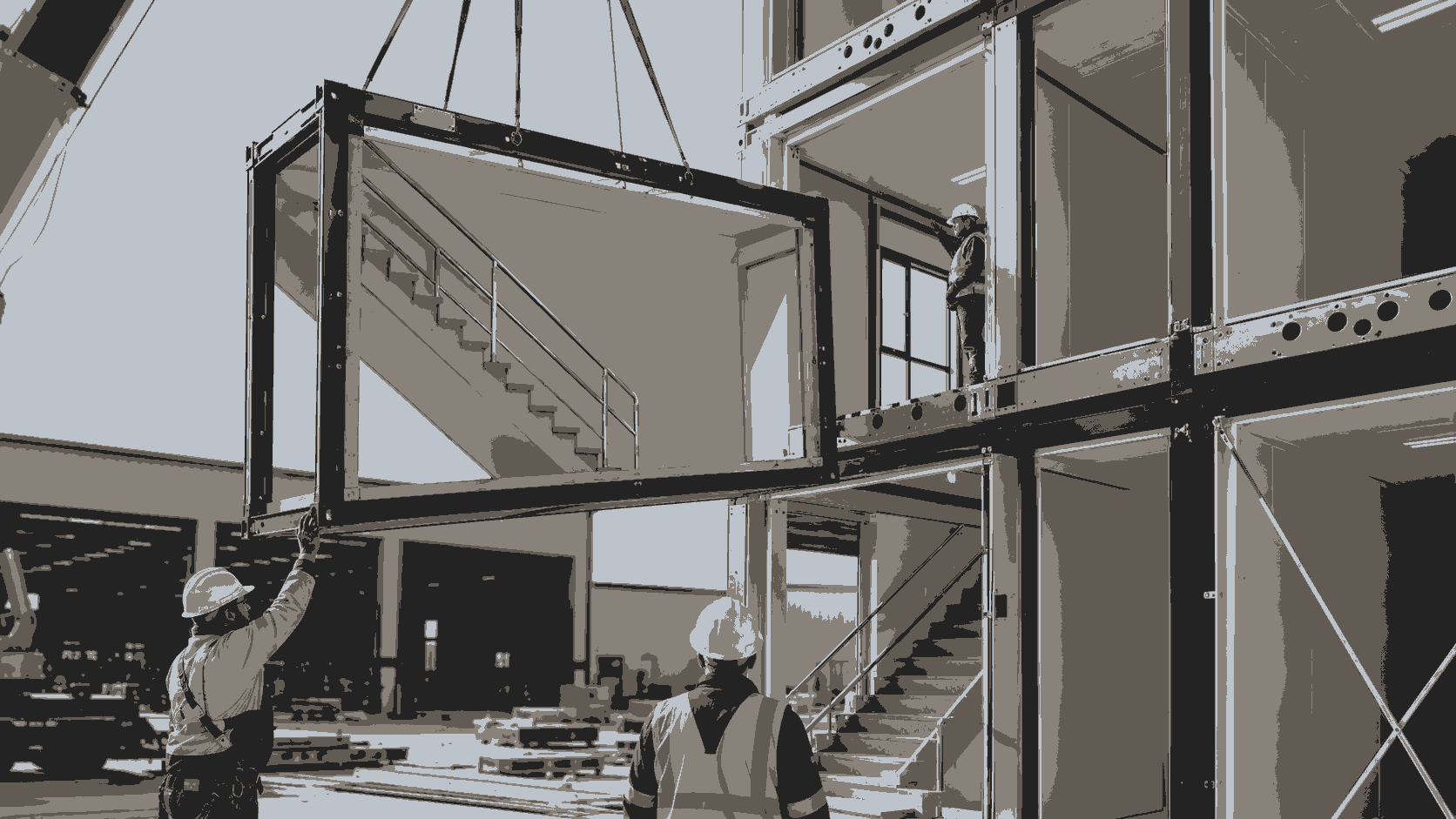
Public buildings such as schools and hospitals often require high-quality construction within tight schedules. Modular construction allows much of the work to be completed in factories before rapid on-site installation, improving efficiency and reducing disruption.
Q2: What are the advantages of an integrated design-manufacture-installation model?
An integrated approach improves coordination across all project stages, strengthens quality control, reduces communication delays, and helps keep projects on schedule.
Q3: What do international buyers usually evaluate?
International buyers typically evaluate manufacturing capacity, engineering expertise, quality management systems, project delivery capability, logistics planning, compliance with local building regulations, and after-sales technical support.
Q4: What are the future trends in modular public buildings?
Future projects are expected to integrate BIM, smart manufacturing, automation, and sustainable materials. Modular construction is likely to play an increasingly important role in schools, healthcare facilities, and other public infrastructure.