Why Is Modular Construction Becoming a New Solution to Housing Shortages? Four Key Trends Revealed
Axios
Q1: Why is modular construction receiving renewed global attention?
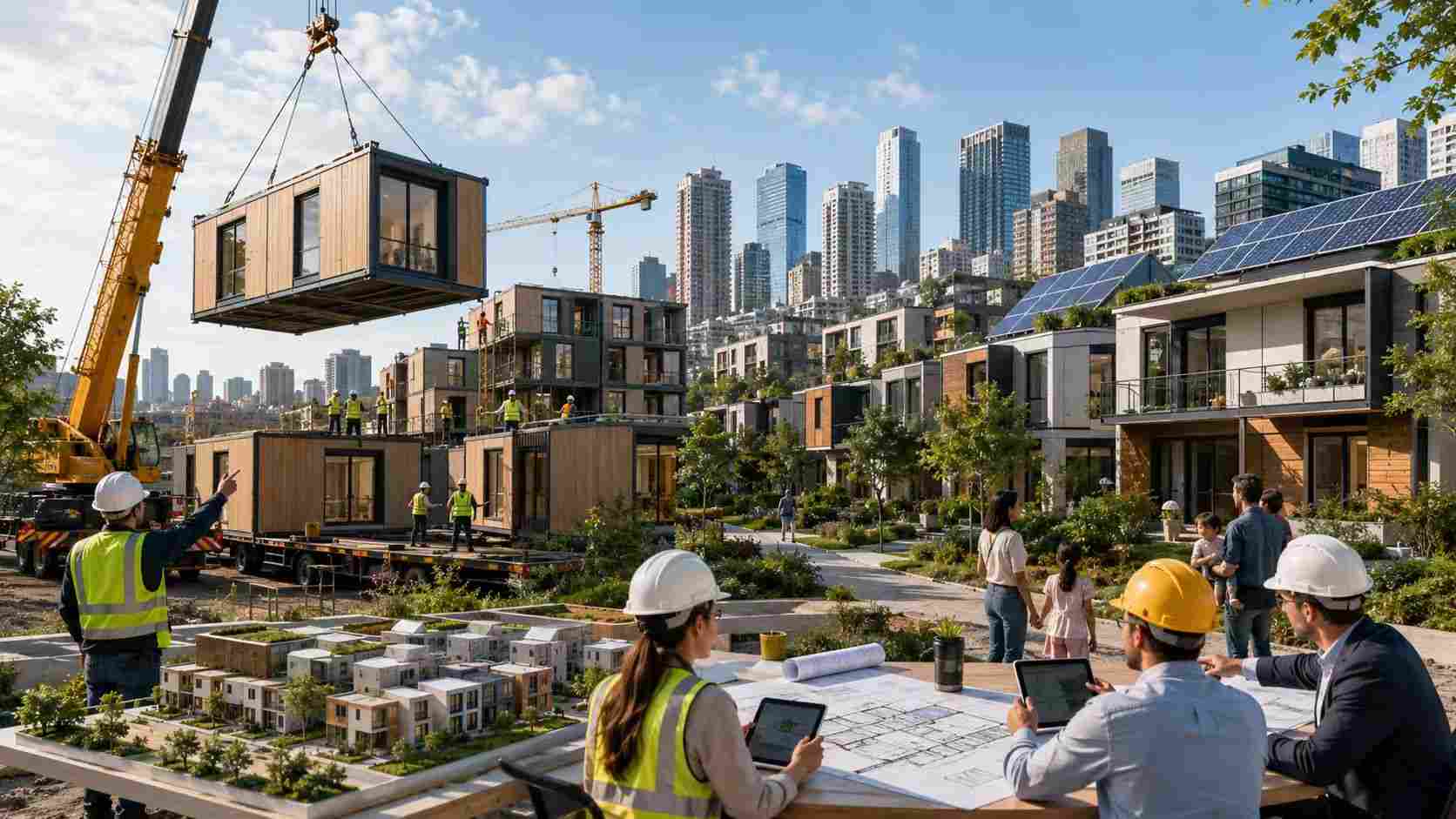
Many countries continue to face housing shortages, rising construction costs, and labor shortages. Governments are therefore seeking faster construction methods, making modular construction an increasingly attractive option.
Because most building work is completed in factories before on-site installation, projects can often be completed much faster than conventional construction.
Q2: What are the key advantages of modular construction?
Major benefits include:
Standardized factory production
Faster project delivery
Reduced construction waste
Less weather-related delay
Better quality control
Greater efficiency for large-scale housing developments
These advantages are encouraging wider adoption across residential, commercial, healthcare, hospitality, and education sectors.
Q3: Where is modular construction being used?
Applications continue expanding into:
Residential communities
Workforce accommodation
Educational facilities
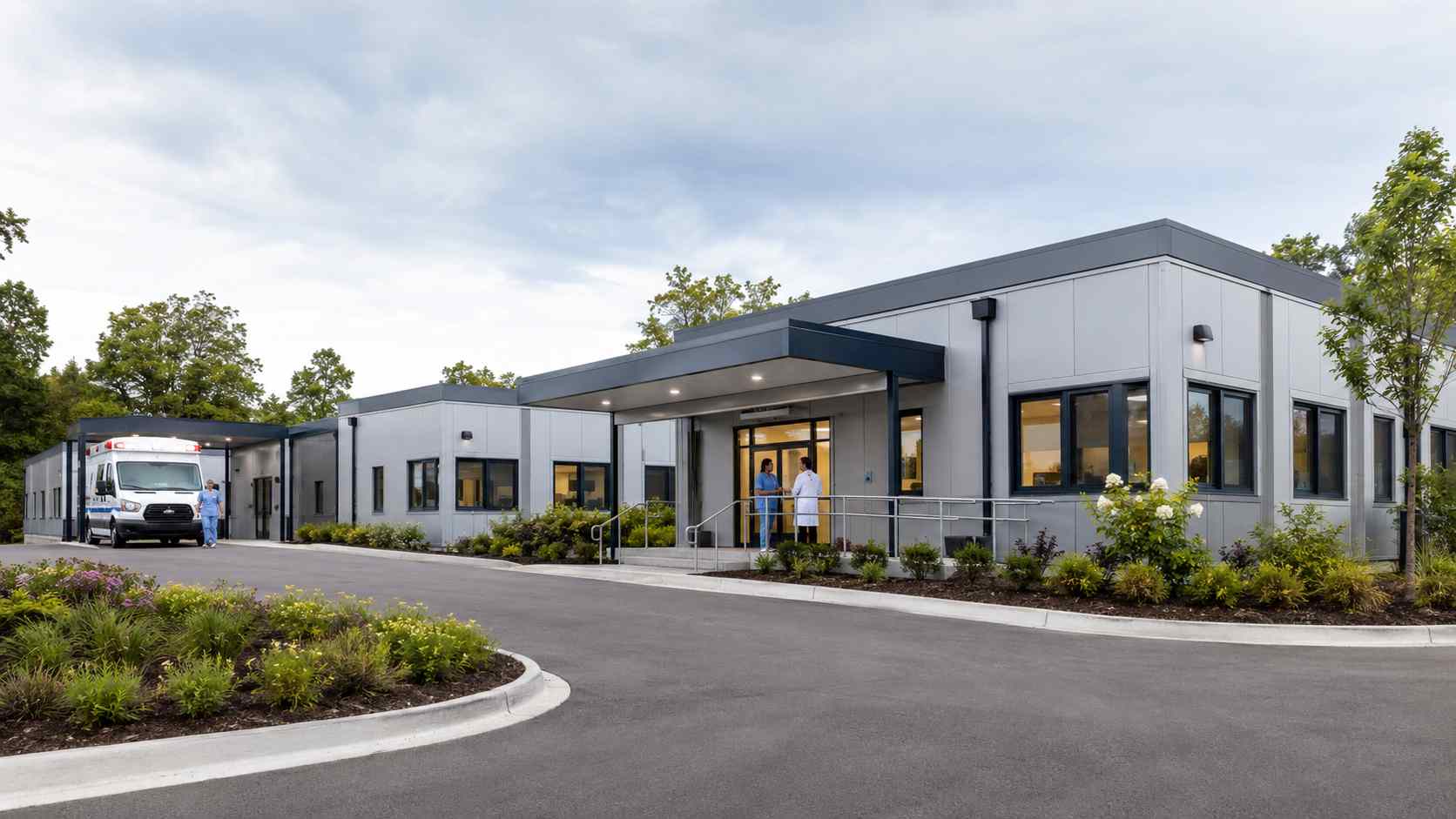
Healthcare buildings
Hotels
Office buildings
Emergency housing
Tourism projects
Modern modular buildings are increasingly designed for long-term use rather than temporary accommodation.
Q4: What are the future trends?
Industry observers expect continued growth in:
Sustainable construction
BIM-based digital design
Automated manufacturing
International modular housing markets
Demand is expected to remain strong as governments search for efficient housing solutions.