How Long Does It Take to Build a Modular Building? Key Factors That Affect Project Timelines
National Institute of Building Sciences (NIBS)
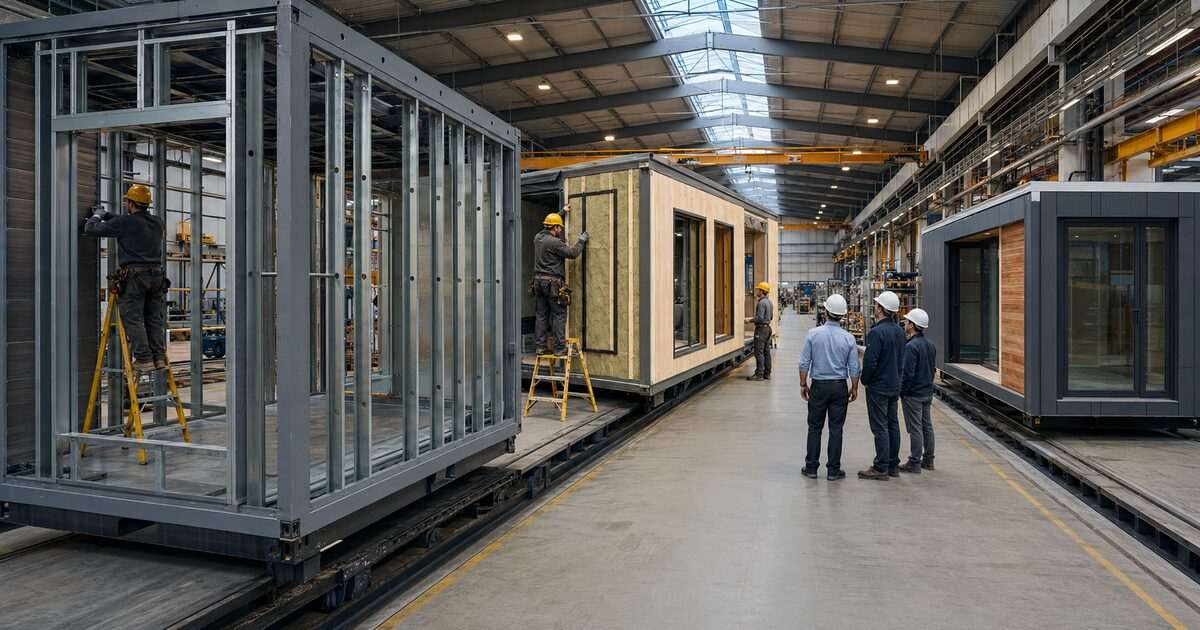
A modular building project generally consists of several major stages, each contributing to the overall delivery schedule.
Design and Engineering
Architectural, structural, and MEP designs are developed and reviewed before manufacturing begins.
Factory Manufacturing
Modules are fabricated, assembled, and partially fitted out in a controlled factory environment.
Site Preparation
While factory production is underway, foundation work and site infrastructure can often proceed simultaneously.
Transportation and Installation
Completed modules are delivered to the project site, lifted into position, and connected according to the installation plan.
Commissioning and Final Acceptance
Mechanical, electrical, plumbing, and other building systems are tested before the project is handed over.
Frequently Asked Questions (FAQ)
Q1: Is modular construction always faster than traditional construction?
Not necessarily. While parallel factory production and site preparation can improve efficiency, the overall project schedule depends on design, approvals, manufacturing capacity, logistics, installation, and site conditions.
Q2: Which stage usually takes the most time?
The duration varies by project. Engineering design, factory production, transportation, and regulatory approvals can all significantly influence the final schedule.
Q3: What do international buyers usually evaluate?
International buyers commonly review engineering lead times, manufacturing schedules, production capacity, logistics planning, installation sequencing, commissioning procedures, and the supplier's ability to meet agreed delivery milestones.
Q4: How can project schedules be improved?
Clear project requirements, timely design approvals, coordinated manufacturing, effective logistics planning, and close communication among project stakeholders can help improve schedule performance.