World of Modular 2026 Conference & Tradeshow

Photo Gallery
World of Modular 2026 Conference & Tradeshow Review: Exploring the Future of Commercial Modular Construction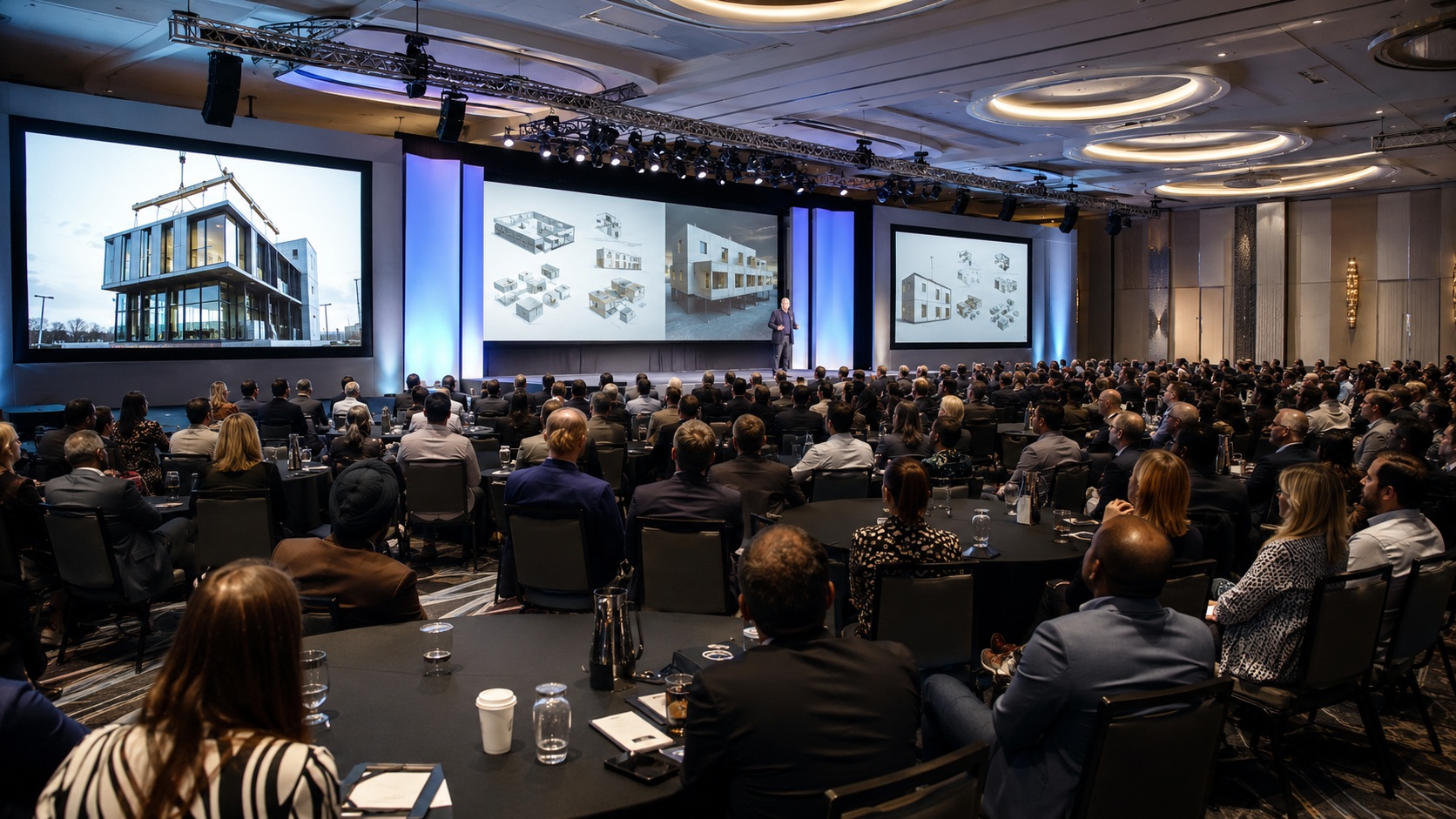
Our team was pleased to participate in the World of Modular 2026 Conference & Tradeshow, held in Las Vegas, Nevada, from April 20 to 23, 2026.
Organized by the Modular Building Institute, World of Modular is an important international event for commercial modular construction and offsite manufacturing. It brings together modular building manufacturers, developers, architects, engineers, contractors, material suppliers, technology providers and project procurement professionals.
Our participation gave us an opportunity to communicate with international industry professionals, understand current modular construction trends and explore how global project requirements are influencing design, manufacturing, transportation and installation.
What Is World of Modular?
World of Modular is an international conference and tradeshow dedicated to commercial modular construction.
Unlike exhibitions that focus mainly on displaying individual products, World of Modular combines professional presentations, technical discussions, project case studies, exhibitions, networking activities and industry awards.
The event covers both permanent modular construction and relocatable modular buildings. Common application areas include:
- Education and school buildings
- Healthcare facilities
- Hotels and hospitality projects
- Workforce accommodation
- Multifamily housing
- Student accommodation
- Offices and commercial buildings
- Retail facilities
- Correctional buildings
- Military accommodation
- Social and supportive housing
- Construction-site facilities
- Security and special-purpose buildings
According to the organizer, World of Modular 2026 featured speakers and participants from North America, Europe and Asia, along with expanded exhibition hours and international business-development opportunities. Modular Building Institute
Why Did We Attend World of Modular 2026?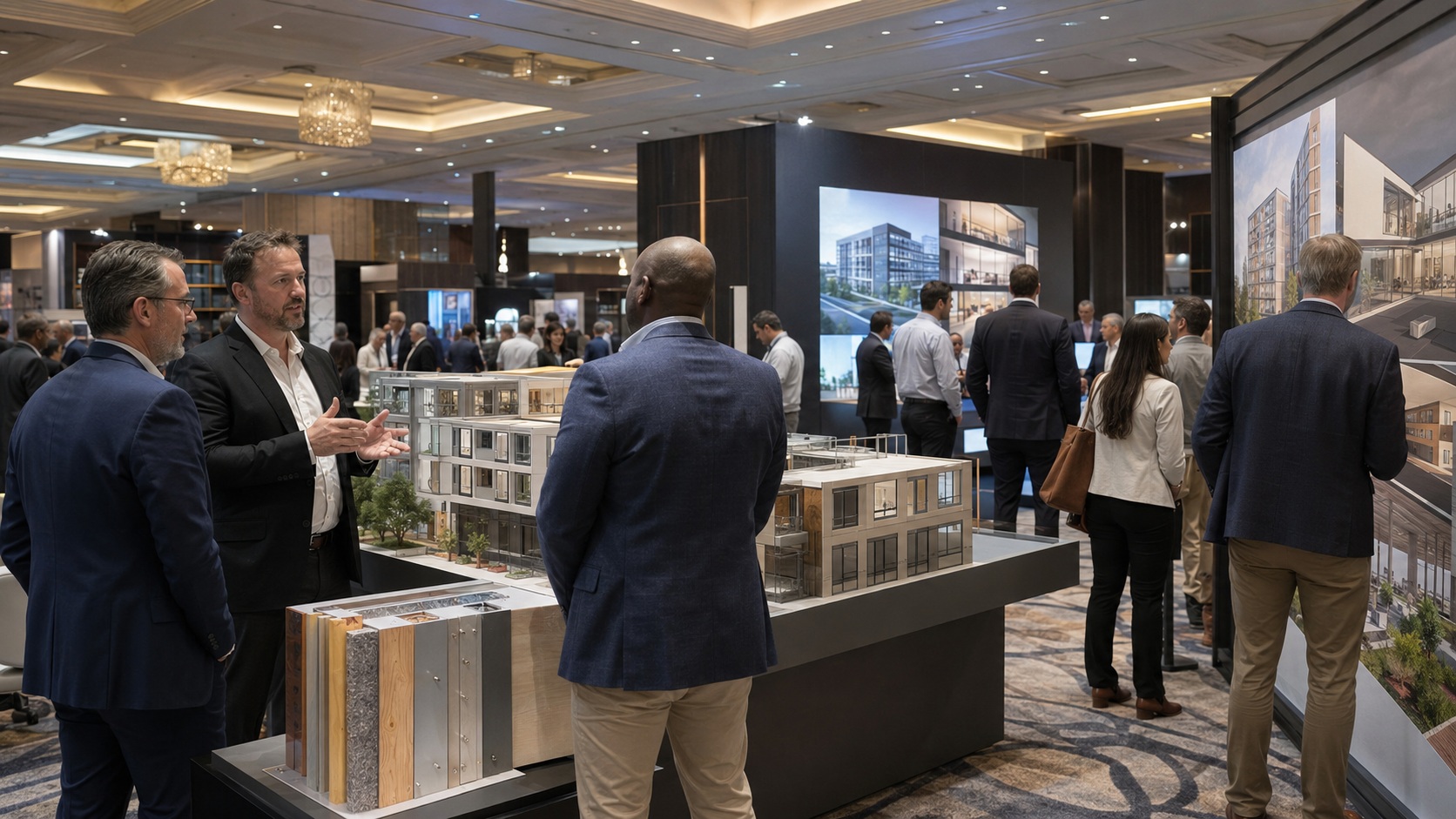
We attended World of Modular 2026 to better understand how modular construction is developing in international markets and how overseas project stakeholders evaluate modular building suppliers.
For international modular projects, customers are rarely purchasing only a physical building module. They are evaluating a complete delivery system that includes:
- Concept development
- Architectural and structural design
- Material selection
- Factory manufacturing
- Quality assurance
- Code compliance
- Export packaging
- International transportation
- Site installation
- Commissioning
- Maintenance and future expansion
World of Modular provided a valuable environment for discussing these subjects directly with manufacturers, contractors, designers and project decision-makers.
What Did We Discuss at the Conference?
Our discussions focused on practical issues affecting the delivery of international modular building projects.
Project-Specific Customization
Different applications require different structural systems, layouts and technical specifications. A modular hotel, school, clinic or workforce camp cannot be developed using exactly the same configuration.
The intended use, project location, number of occupants, local climate and expected service life should all be considered before the modular system is selected.
International Building Compliance
Building-code compliance is becoming increasingly important for global modular construction.
Customers and project consultants may require structural calculations, material certificates, fire-performance data, energy-efficiency information and detailed technical drawings.
Early coordination can help manufacturers identify applicable wind, snow, seismic, fire, electrical and accessibility requirements before production begins.
Transportation and Installation
A successful modular building must be designed not only for factory production but also for transportation and site assembly.
Module dimensions, lifting points, transport restrictions, export packaging, container loading and site access should be evaluated during the design stage. This can reduce delays and prevent unnecessary modifications after manufacturing.
Quality Control in Offsite Manufacturing
Factory production creates opportunities for standardized inspections and controlled manufacturing conditions.
However, consistent quality still depends on documented procedures, material traceability, inspection records and coordination between structural, architectural and MEP systems.
Long-Term Building Performance
International customers are increasingly evaluating durability, energy performance, acoustic comfort, maintenance requirements and future adaptability.
This reflects the transition of modular construction from a temporary-building solution to a widely considered delivery method for permanent facilities.
What Industry Trends Did We Observe?
World of Modular 2026 highlighted several trends that are shaping the future of commercial modular construction.
Permanent Modular Construction Continues to Expand
Permanent modular construction is being adopted across education, healthcare, hospitality, housing and public infrastructure projects.
Project owners are increasingly using modular methods where schedule certainty, controlled manufacturing and reduced site disruption are important.
Offsite Manufacturing Is Becoming More Digital
Building information modeling, digital coordination, laser scanning, automated manufacturing and material traceability are supporting better integration between design and production.
Digital systems can help identify clashes earlier, improve manufacturing accuracy and provide more complete project records.
Energy Efficiency Is Becoming a Core Requirement
High-performance insulation, airtight building envelopes, efficient HVAC systems and energy-saving windows are becoming central design considerations rather than optional upgrades.
This is especially important for projects located in extremely hot, cold or humid climates.
Hybrid Construction Is Gaining Attention
Many modern projects combine volumetric modules with prefabricated panels, structural steel, precast components or conventional site construction.
Hybrid approaches allow project teams to select the most efficient construction method for each part of the building.
Reuse and Design for Disassembly Are Growing
Relocatable buildings and reusable modular components can support changing operational requirements and reduce construction waste.
Design for disassembly may allow modules to be reconfigured, relocated or reused during a building’s lifecycle.
Supply-Chain Coordination Is More Important
Modular construction requires design decisions to be finalized earlier than conventional construction.
Manufacturers, architects, engineers, suppliers, contractors and logistics providers therefore need to coordinate before production begins.
What Did World of Modular 2026 Mean for Our International Business?
Participating in World of Modular 2026 helped us better understand the expectations of international developers, contractors and procurement teams.
It reinforced the importance of providing more than a standard product catalogue. Overseas customers need suppliers capable of understanding the project application, translating requirements into technical solutions and coordinating manufacturing with international transportation and installation.
For our team, the event provided valuable insights into:
- International modular construction applications
- Overseas building-code requirements
- Project-specific engineering
- Factory quality-management systems
- Export packaging and logistics
- On-site installation planning
- Sustainable construction methods
- Long-term cooperation with global partners
These insights will support the continued development of our modular building products and project services.
How Can Overseas Buyers Prepare a Modular Building Inquiry?
Before requesting a proposal, buyers should prepare as much preliminary project information as possible.
Recommended information includes:
- Project country and city
- Intended building application
- Required floor area
- Number of rooms and occupants
- Preliminary layout or sketches
- Local temperature and climate
- Wind, snow and seismic requirements
- Fire-safety requirements
- Electrical voltage and frequency
- Plumbing and sanitary requirements
- Preferred internal and external finishes
- Delivery destination and site conditions
- Expected project schedule
This information helps the supplier recommend suitable module dimensions, structural systems, insulation levels, materials and transportation solutions.
Moving Forward After World of Modular 2026
World of Modular 2026 demonstrated that modular construction is becoming an increasingly important part of the global construction industry.
The industry is moving toward more permanent applications, stronger technical compliance, improved digital coordination, better environmental performance and greater lifecycle value.
Following the event, we will continue improving our capabilities in modular design, factory manufacturing, quality control, export packaging, international logistics and installation support.
Whether a customer is planning workforce accommodation, a modular office, a healthcare facility, a school, a hotel, a commercial building or another project-specific structure, our goal is to provide a practical solution based on the project’s real requirements.
We sincerely thank the professionals and industry partners who communicated with our team during World of Modular 2026. We look forward to developing new partnerships and supporting more modular building projects worldwide.
Frequently Asked Questions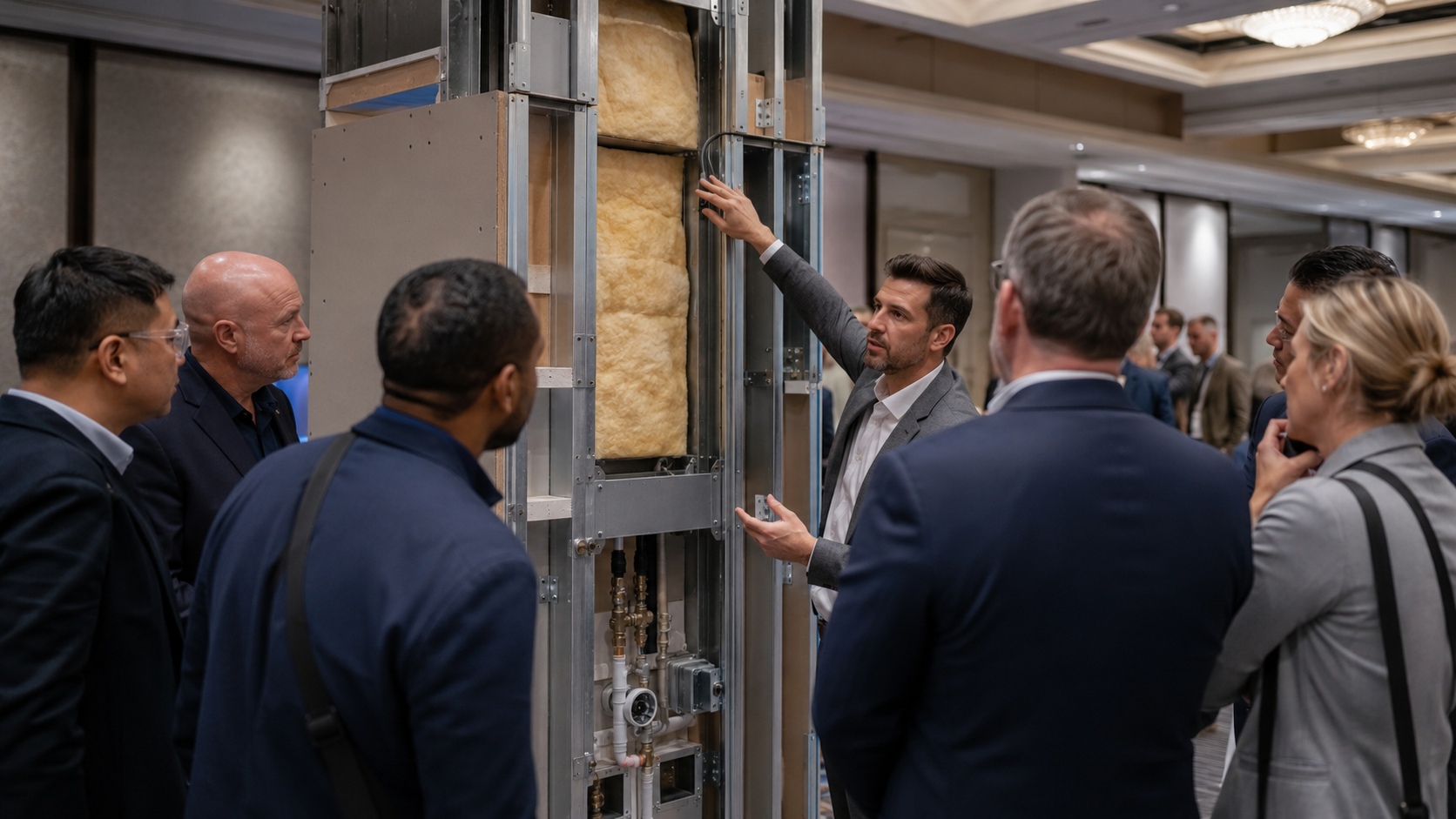
When and where was World of Modular 2026 held?
World of Modular 2026 was held from April 20 to 23, 2026, at the Bellagio Hotel & Casino in Las Vegas, Nevada, USA.
Who organized World of Modular 2026?
The event was organized by the Modular Building Institute, an international trade association for commercial modular construction.
What is the World of Modular Conference & Tradeshow?
It is an international industry event focused on commercial modular buildings, offsite construction, project delivery, manufacturing technologies, professional education and global business networking.
Who attends World of Modular?
Participants typically include modular building manufacturers, developers, architects, engineers, general contractors, suppliers, consultants, investors and procurement professionals.
What types of modular projects are discussed?
The event covers education, healthcare, hospitality, offices, retail, multifamily housing, workforce accommodation, student housing, public buildings and special-purpose facilities.
Why is World of Modular important for overseas buyers?
It provides access to international manufacturers, technical experts and project decision-makers. Buyers can compare solutions and learn about design, compliance, manufacturing, transportation and installation.
Are modular buildings suitable only for temporary use?
No. Modular construction can be used for both relocatable structures and permanent buildings. The appropriate solution depends on the project application, local regulations and expected service life.
Contact Our Modular Building Team
If you are planning a modular building or prefabricated construction project, please contact our team with the project location, building application, preliminary layout and expected delivery schedule.
We can help evaluate suitable structural systems, material specifications, production methods, export packaging, transportation and installation requirements.
Tags
World of Modular 2026, Modular Construction, Offsite Construction, Prefabricated Buildings, Industry Events, Las Vegas, Global Construction