Our Participation in the Louisville Manufactured Housing Show 2026
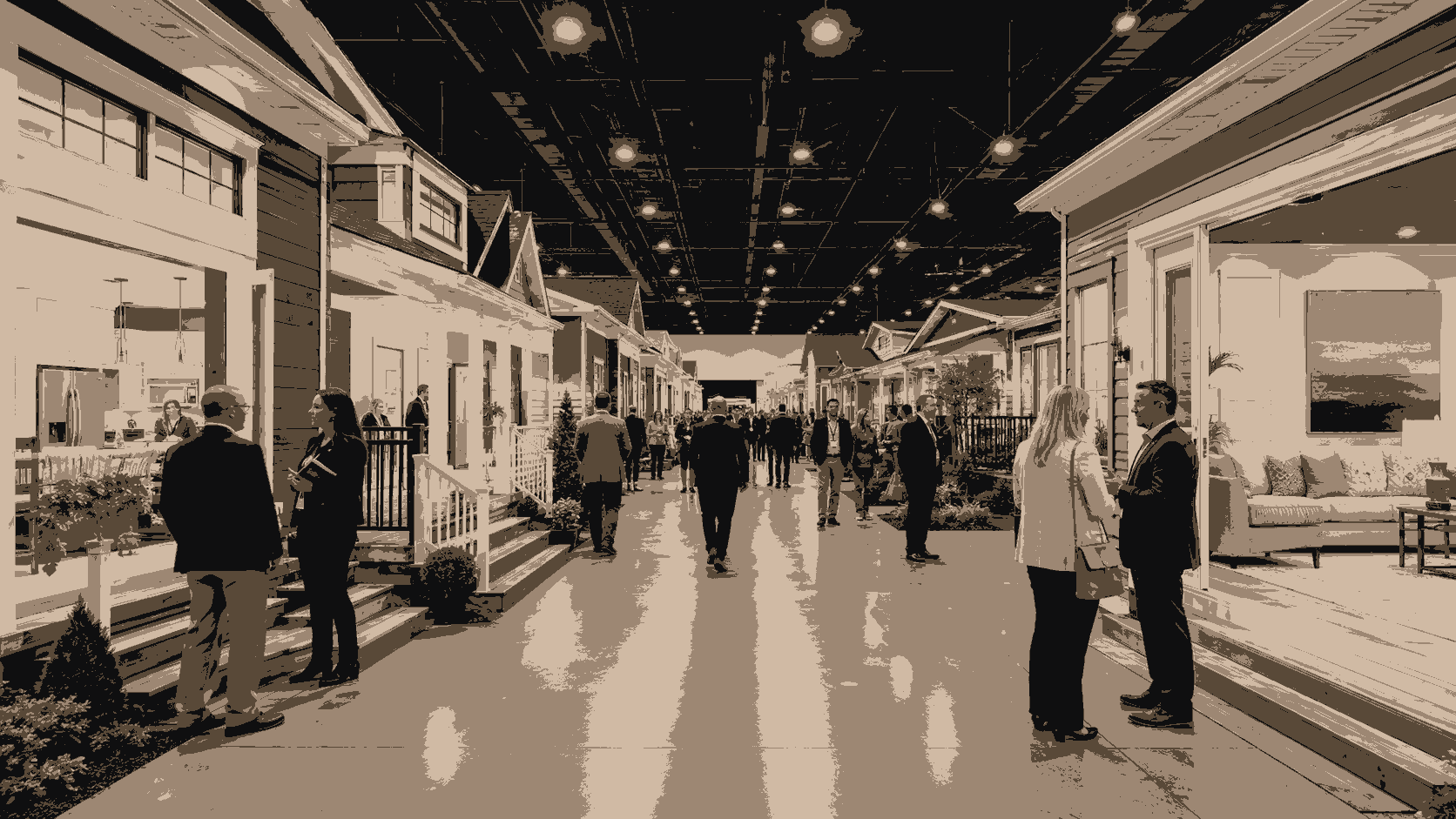
Photo Gallery
Our Participation in the Louisville Manufactured Housing Show 2026
Connecting with the North American Manufactured Housing Industry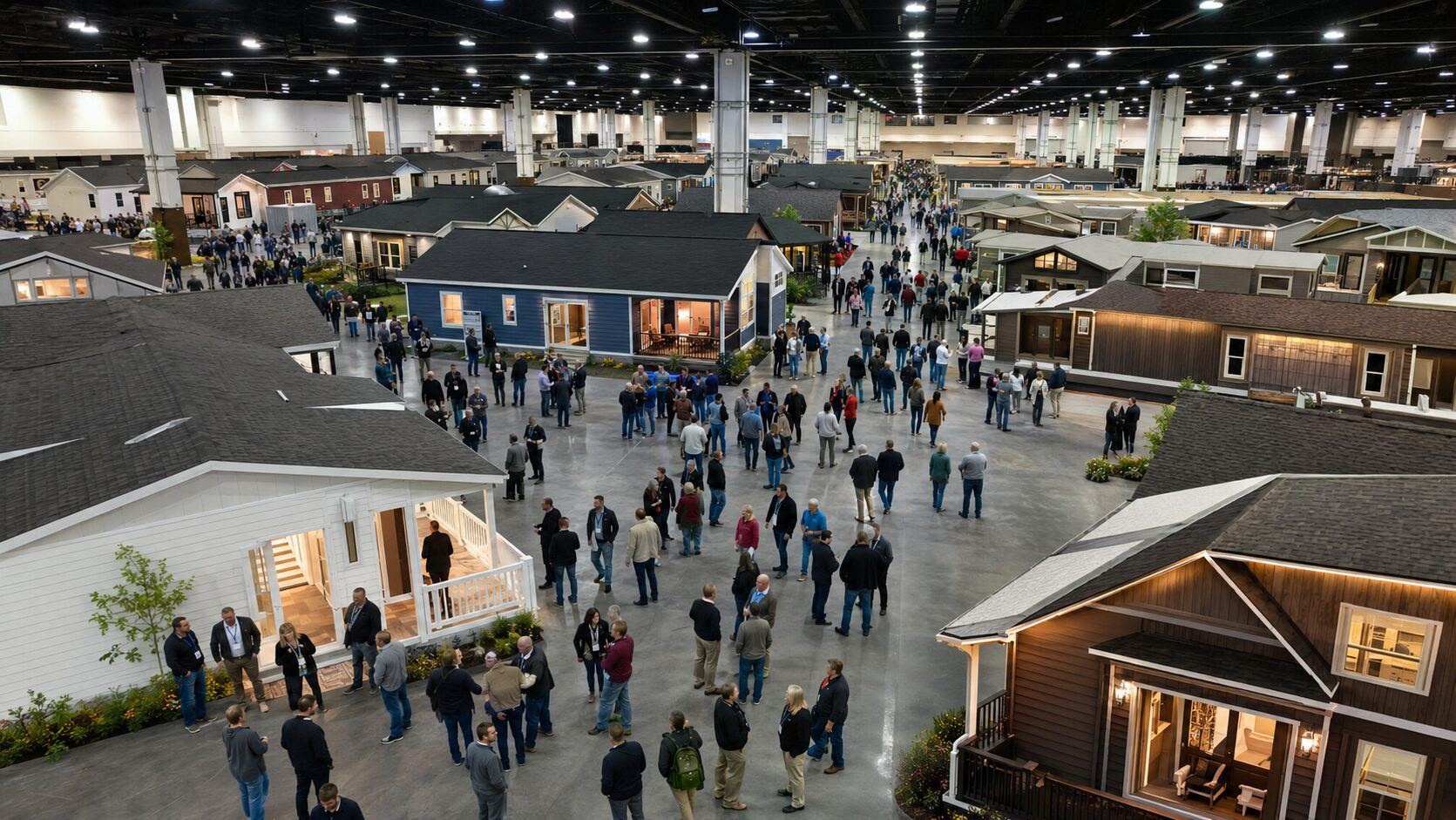
From January 14 to 16, 2026, our team participated in the Louisville Manufactured Housing Show at the Kentucky Exposition Center in Louisville, Kentucky.
Produced by the Midwest Manufactured Housing Federation, the Louisville Show is a professional trade event serving manufactured housing retailers, community operators, developers, installers, transporters, manufacturers, suppliers and housing-service companies.
Unlike a consumer home-improvement exhibition, the Louisville Show is restricted to qualified industry participants and is not open to the general public. This professional focus allows attendees to examine products, discuss market requirements and establish supply-chain relationships in a business-oriented environment. Official registration information
A Major Indoor Display of Factory-Built Homes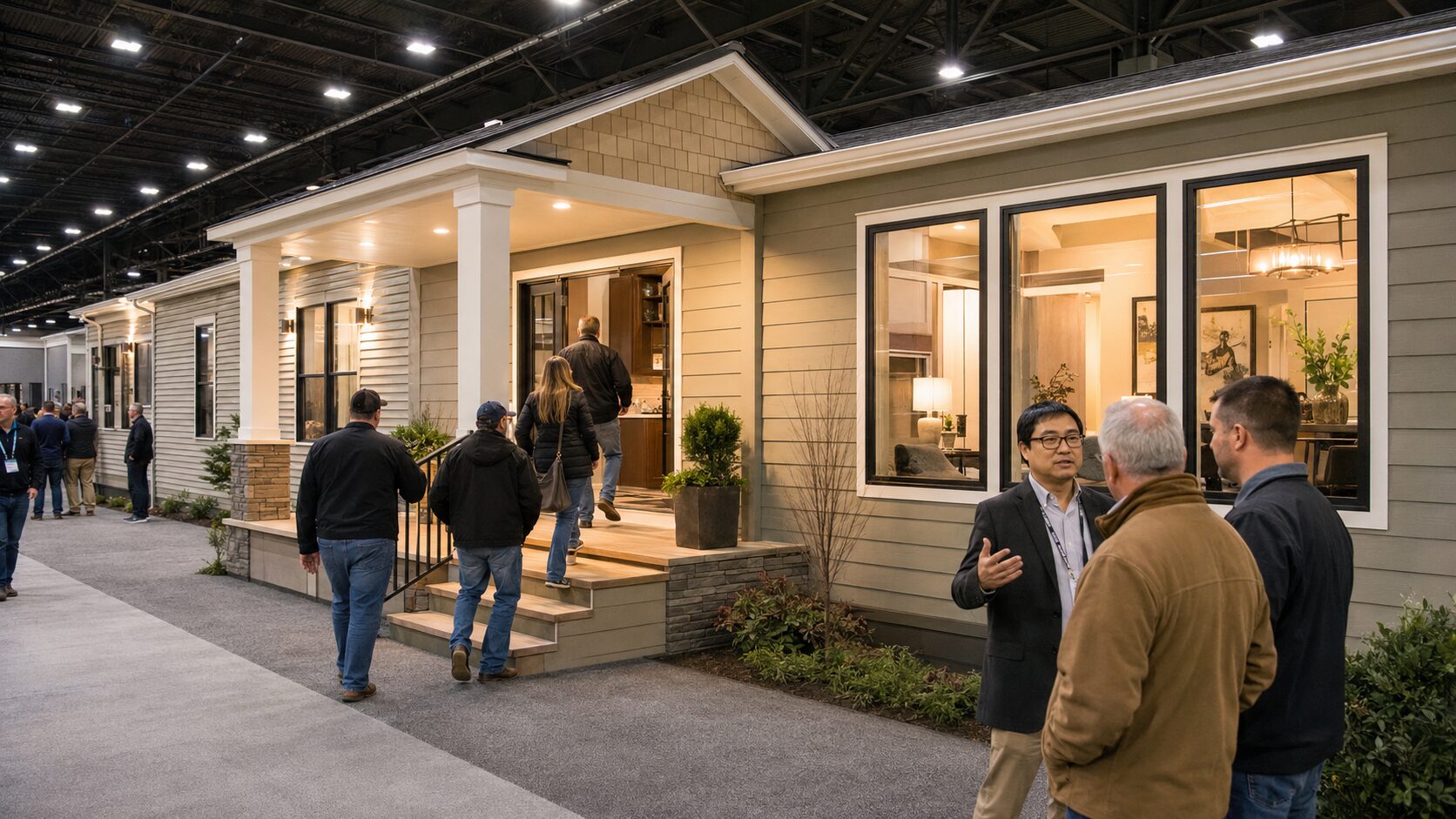
One of the most important features of the Louisville Manufactured Housing Show is its full-size indoor model-home display.
The 2026 event brought together more than 40 model homes from leading manufacturers, allowing industry professionals to enter the buildings and evaluate their floor plans, interior finishes, materials, amenities and construction quality. The event also included more than 150 exhibitors and educational programs for housing professionals. Official venue information
Displaying complete homes rather than only photographs or material samples makes it easier to understand how individual products work together within an actual residential environment.
Visitors can assess room proportions, circulation, daylight, storage, kitchens, bathrooms, building-envelope systems and overall living quality before making product or purchasing decisions.
Why the Louisville Show Matters to the Housing Industry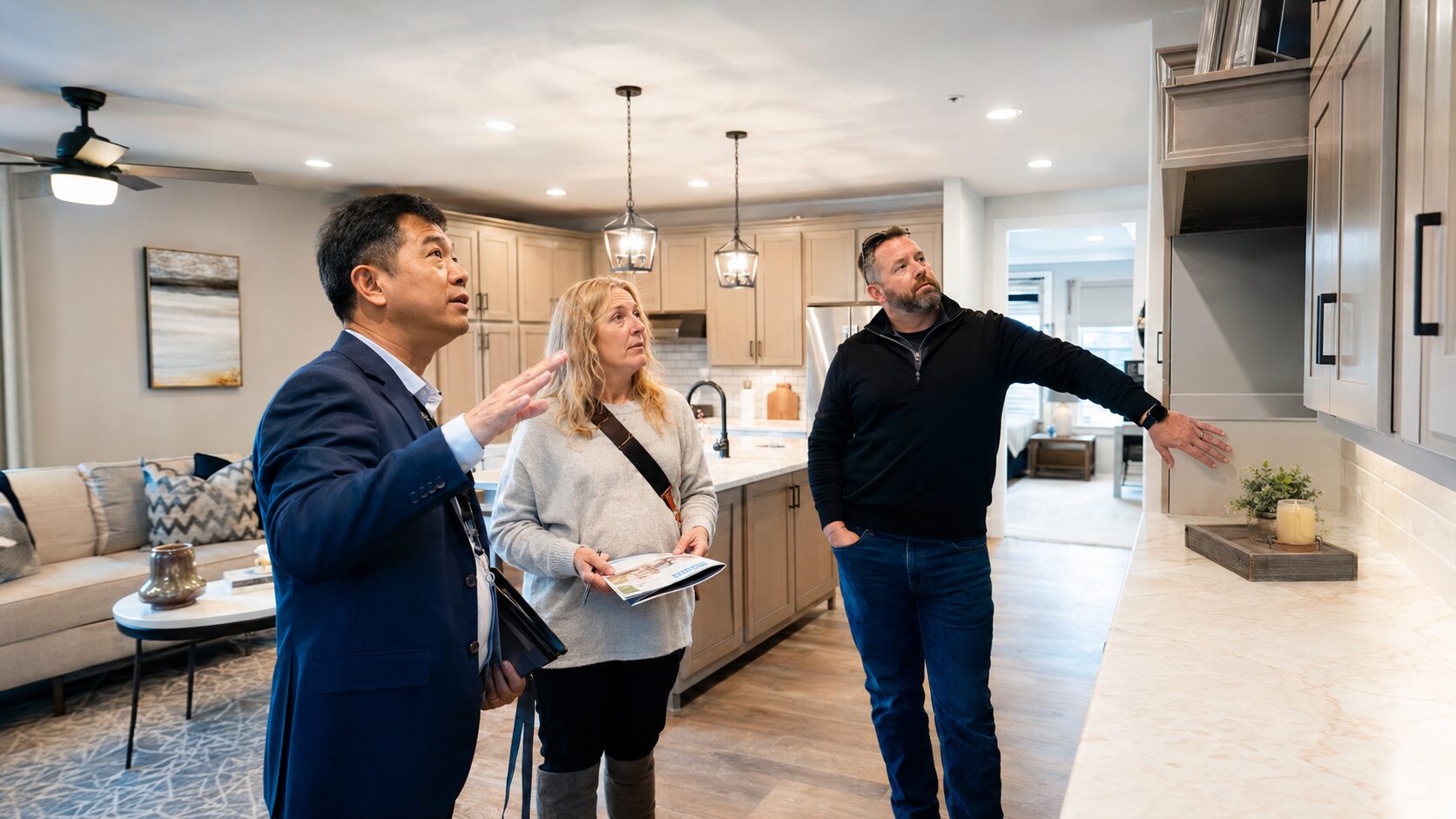
The United States continues to need housing solutions that can balance affordability, quality, construction speed, energy performance and long-term durability.
Factory-built housing moves a significant portion of the construction process into a controlled manufacturing environment. Structural assembly, roofing, doors, windows, insulation, interior finishes and building-service provisions can be completed or prepared before the home reaches its installation site.
This approach can improve process consistency and reduce exposure to adverse weather. However, the final success of a project still depends on land preparation, foundations, transportation, installation, utility connections, regulatory approval and after-sales support.
The Louisville Show provides an opportunity to examine how manufacturers, retailers and project partners coordinate these different stages of housing delivery.
What We Explored at the 2026 Louisville Show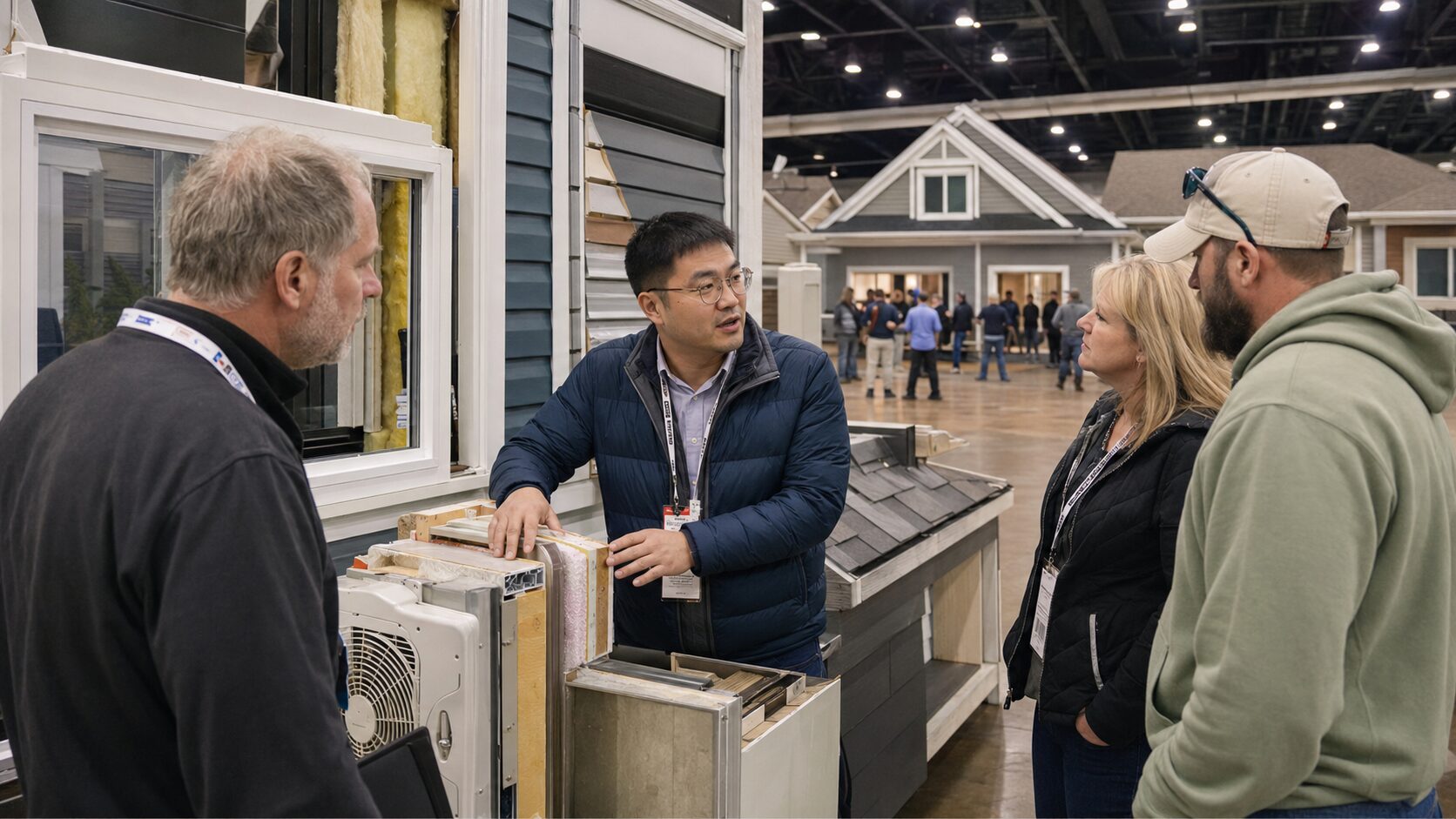
New Manufactured Home Designs
The model homes demonstrated a broad range of residential layouts, including compact homes, family-oriented floor plans, open-plan living areas and configurations designed for different buyer groups.
We paid particular attention to how manufacturers balance standardized factory production with options for exterior appearance, room configuration, cabinetry, flooring, appliances and interior finishes.
This balance is important because standardization supports manufacturing efficiency, while controlled customization allows products to respond to regional preferences and project requirements.
Building Materials and Components
The supplier exhibition covered products associated with structural systems, roofing, exterior siding, insulation, doors, windows, plumbing, electrical equipment, heating and cooling, interior finishes and home installation.
These components influence much more than appearance. Their specifications affect thermal performance, moisture control, fire safety, acoustic comfort, maintenance and expected service life.
For international projects, material selection must be adapted to the destination climate, local codes, transportation conditions and customer expectations.
Housing Installation and Transportation
Manufactured housing requires close coordination between factory production, home transportation, foundation preparation, lifting or positioning, structural connection and utility installation.
Transport dimensions, route limitations, lifting equipment, site access and local installation capability should be evaluated during the design stage rather than after manufacturing has been completed.
This is especially important for overseas projects, where port restrictions, container-loading efficiency and installation documentation can significantly affect the total delivery cost.
Financing, Community Operations and Market Services
The Louisville Show also highlighted that manufactured housing is supported by a wider commercial ecosystem involving finance, insurance, warranties, community management, retail sales and property development.
A technically sound home does not automatically become a successful housing project. Buyers must also be able to access suitable land, financing, insurance, installation services and long-term community support.
Understanding these supporting factors is important for international suppliers seeking to enter or serve the North American housing market.
Key Industry Trends Observed in Louisville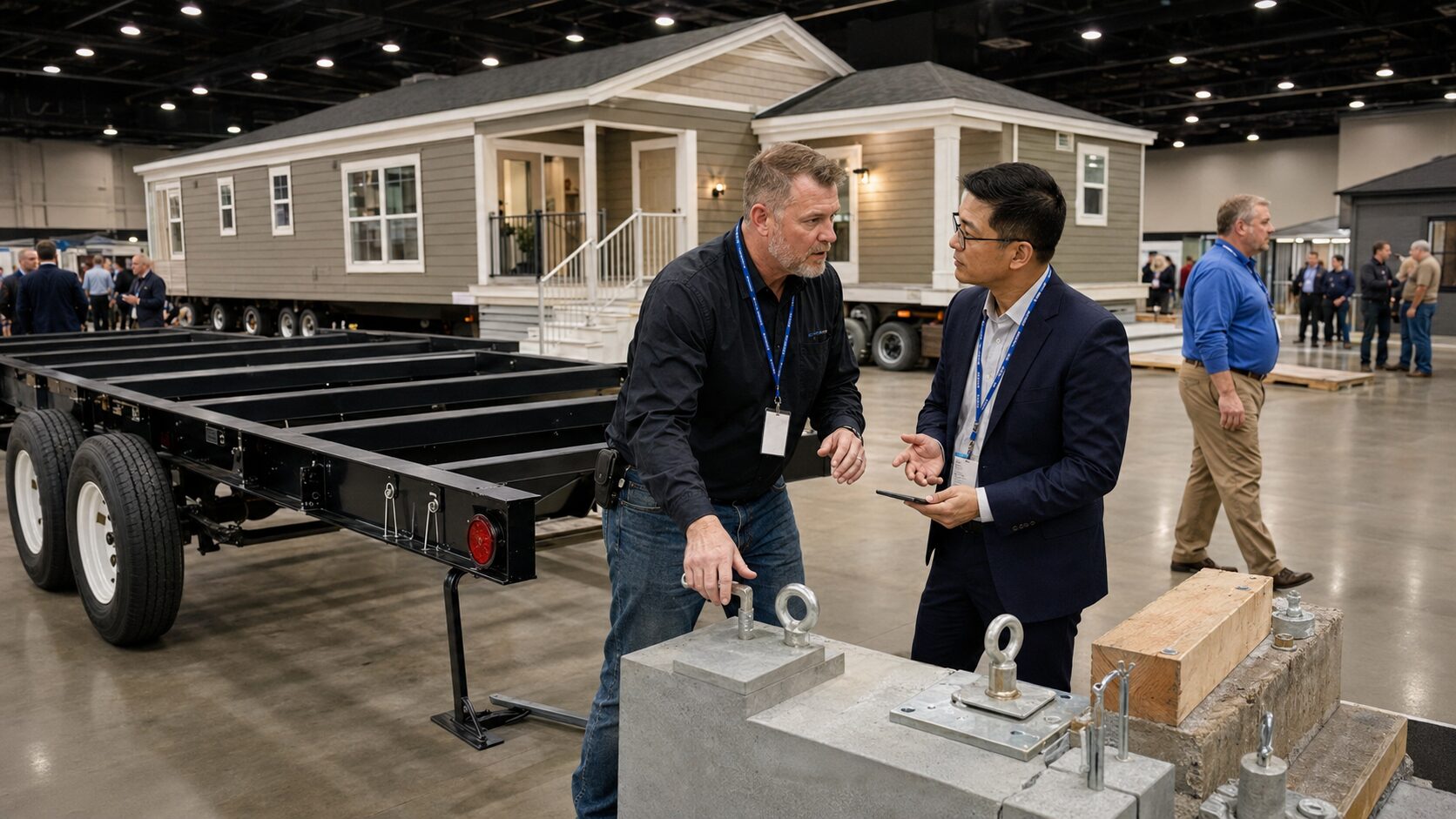
1. Affordability Remains a Major Market Driver
Manufactured housing continues to attract attention as buyers and communities search for more attainable housing options.
However, affordability should be evaluated through the total installed and operating cost—not only the factory price of the home.
Land, foundations, transportation, installation, permits, utilities, financing, energy consumption and maintenance all affect the customer’s final cost.
2. Residential Quality Expectations Are Increasing
Customers increasingly expect factory-built homes to provide comfortable layouts, attractive finishes, good daylight, storage, acoustic performance and energy efficiency.
This means manufacturers must improve both construction efficiency and the overall residential experience.
3. Energy Performance Is Becoming More Important
Insulation, glazing, air sealing, thermal bridges, ventilation and heating and cooling systems directly influence indoor comfort and long-term energy expenses.
Housing configurations should therefore be adapted to regional climate conditions rather than applying one specification to every location.
4. Buyers Expect More Complete Technical Support
International and professional buyers need more than a product quotation. They increasingly request floor plans, material schedules, structural information, electrical and plumbing drawings, packing plans, installation manuals and compliance documents.
Clear documentation reduces misunderstandings and allows project risks to be identified before production begins.
5. Digital Tools Are Influencing Housing Sales and Operations
Virtual tours, online product selection, customer-management systems, digital financing tools and property data are becoming more closely integrated with manufactured housing sales.
These tools can help buyers compare layouts and features, but accurate technical information and physical quality remain essential.
Manufactured Homes and Modular Homes: What Is the Difference?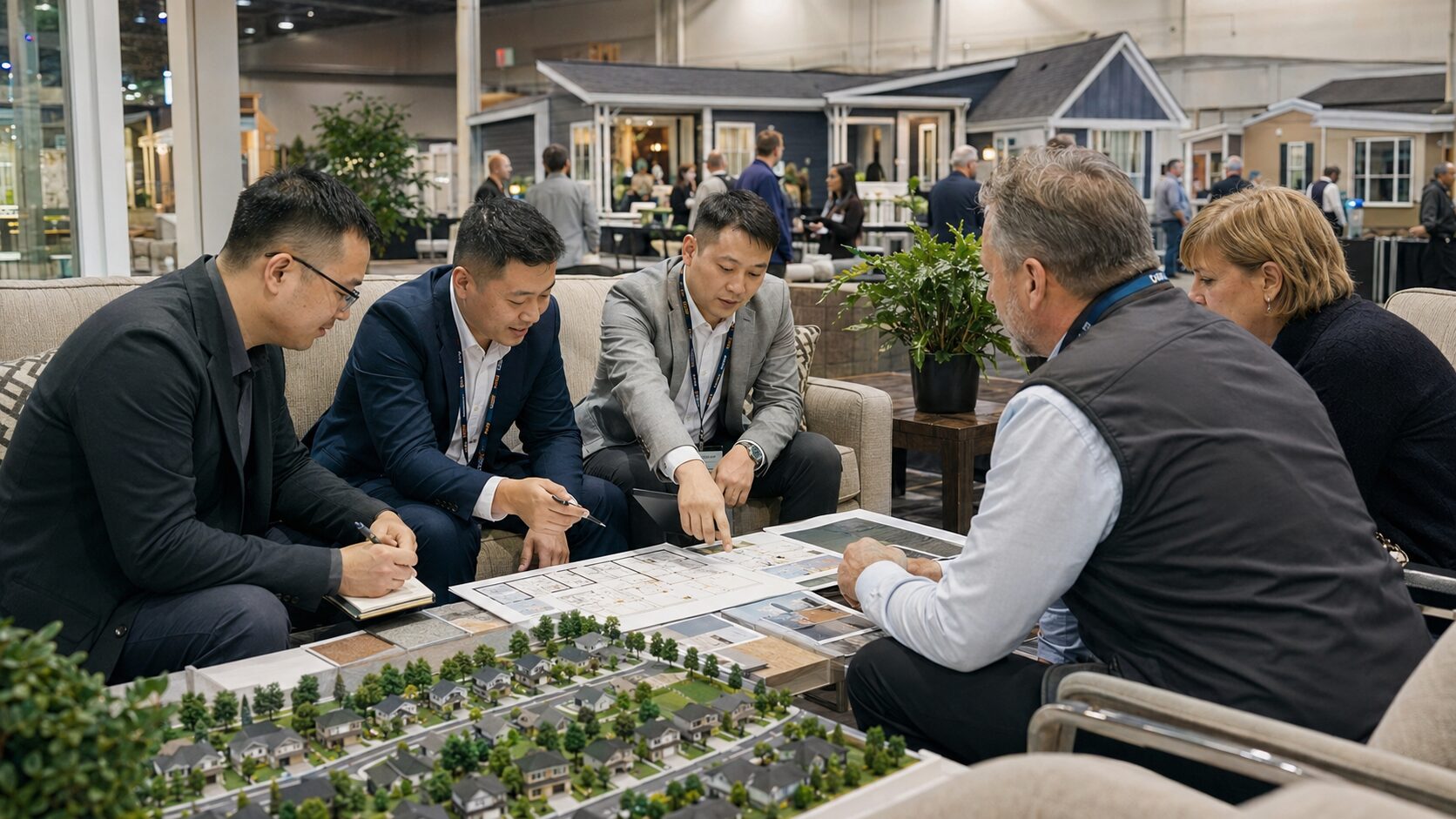
Although both are produced in factories, manufactured homes and modular homes have different regulatory definitions in the United States.
A manufactured home is generally constructed under the federal HUD Code and is built on a permanent chassis for transportation to its installation site.
A modular home is manufactured in sections but normally designed to meet the state or local building codes applicable at the final project location.
Portable cabins, container buildings, flat-pack houses and relocatable structures may follow other regulatory pathways depending on their intended use, occupancy and installation period.
Understanding these differences is essential before selecting a product, preparing a quotation or planning an international housing project.
Our Approach to International Factory-Built Housing Projects
Our project process begins with an assessment of the customer’s actual requirements. We evaluate the destination country and city, building use, required quantity, floor plan, climate, structural loads, applicable standards, transportation conditions and installation resources.
Depending on the project, a factory-built housing package may include:
- Structural steel or light-gauge steel framing
- Insulated wall and roof systems
- Energy-efficient doors and windows
- Interior wall, ceiling and flooring finishes
- Electrical, plumbing and ventilation provisions
- Kitchens and sanitary facilities
- Furniture and equipment packages
- Export packaging and loading plans
- Installation drawings and technical guidance
Early engineering coordination helps optimize the layout, materials, transportation method and installation sequence before manufacturing begins.
Moving Forward After the Louisville Show
Our participation in the Louisville Manufactured Housing Show 2026 strengthened our understanding of North American factory-built housing, customer expectations and the supporting services required for successful housing delivery.
The exhibition showed that manufactured housing is not only a building product. It is a coordinated system involving design, manufacturing, transportation, installation, financing, regulation and long-term operation.
We will continue improving our product configurations, engineering documentation, manufacturing quality, export packaging and international project-support capabilities.
If you are planning a manufactured housing community, modular accommodation facility, workforce camp, residential development or other prefabricated building project, contact our team with the location, intended use, quantity, preliminary layout and applicable technical standards.
FAQ
What is the Louisville Manufactured Housing Show?
The Louisville Manufactured Housing Show is a professional trade exhibition for the manufactured housing industry. It features full-size model homes, supplier exhibits, educational seminars and business networking.
When and where was the 2026 Louisville Show held?
The 2026 Louisville Manufactured Housing Show was held from January 14 to 16 at the Kentucky Exposition Center in Louisville, Kentucky. Official event schedule
Was the Louisville Manufactured Housing Show open to the public?
No. The Louisville Show is an industry trade event for qualified manufactured housing professionals and is not a public consumer exhibition.
What products were displayed at the 2026 Louisville Show?
The event displayed full-size manufactured homes, building materials, structural products, roofing, doors, windows, HVAC equipment, interior products, installation services, financing and housing-industry technology.
Why are full-size model homes useful to professional buyers?
Full-size homes allow buyers to examine actual room dimensions, layouts, materials, finishes and construction details. This provides more information than drawings, renderings or individual material samples.
What is the difference between a manufactured home and a mobile home?
“Mobile home” commonly refers to units produced before the federal HUD Code took effect on June 15, 1976. Homes produced under the HUD Code after that date are formally described as manufactured homes.
Can manufactured or modular homes be customized for overseas projects?
Yes. Layouts, structures, insulation, doors, windows, finishes and building-service provisions can be adjusted. Any customization must be evaluated against the destination market’s codes, climate, transportation limits and installation resources.
What information is required for a factory-built housing quotation?
A useful quotation requires the project country and city, building use, quantity, floor plan, dimensions, climate, structural loads, material preferences, applicable standards, delivery destination and installation method.