Our Participation in MHI Congress & Expo 2026: Exploring the Future of Manufactured Housing
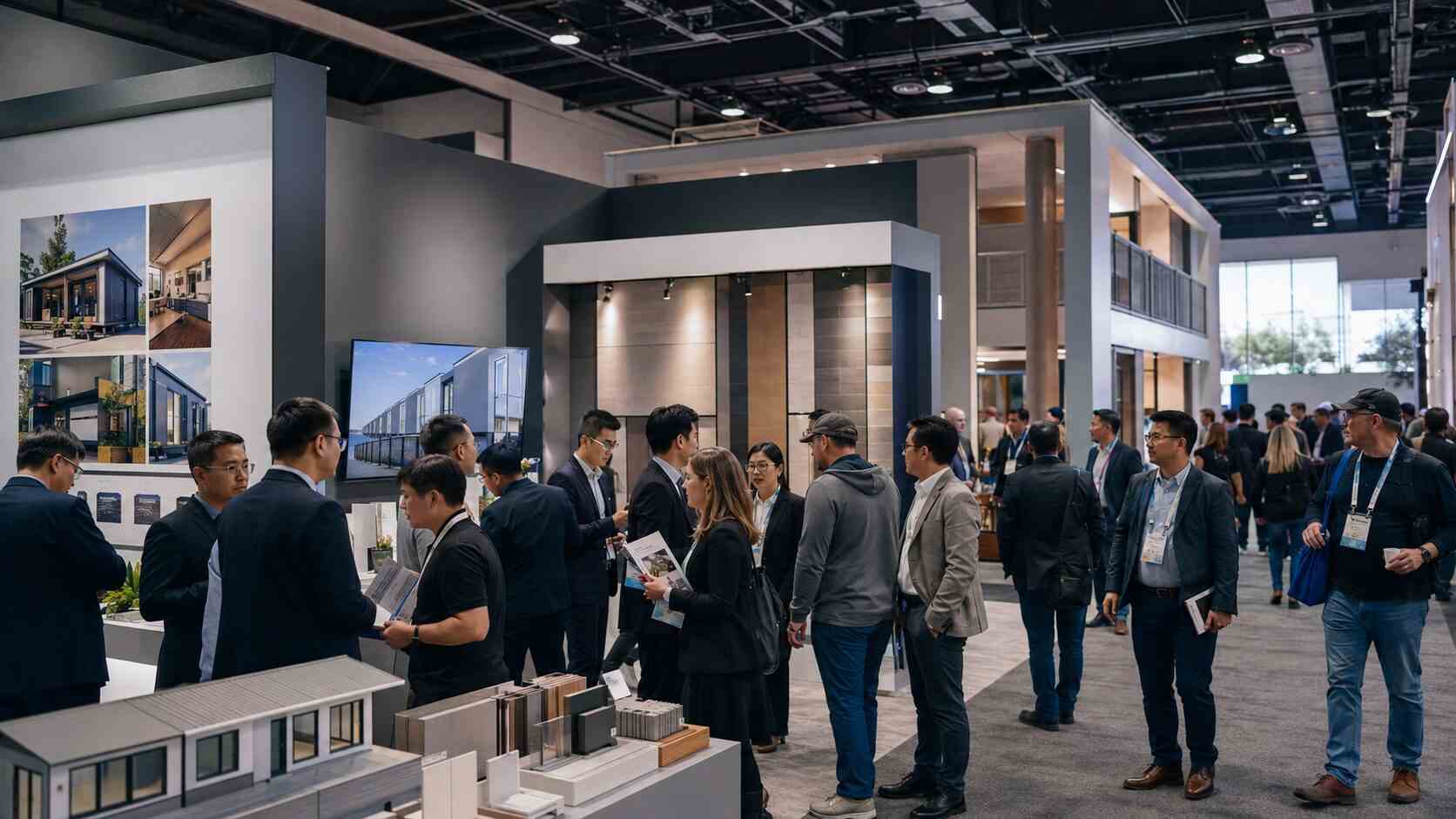
Photo Gallery
Our Participation in MHI Congress & Expo 2026: Exploring the Future of Manufactured Housing
Event Overview
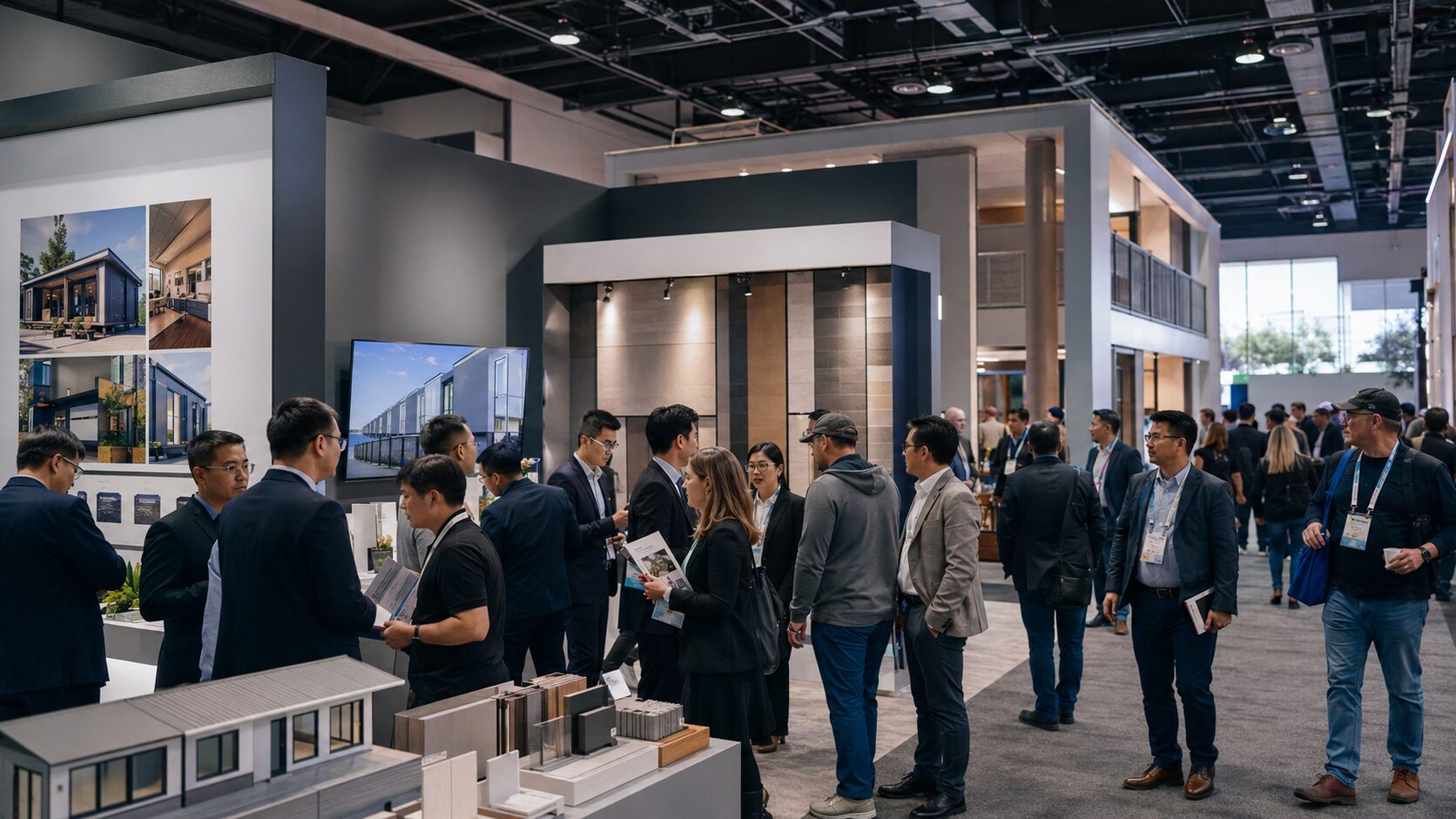
From April 7 to 9, 2026, our team participated in MHI Congress & Expo 2026 at the MGM Grand in Las Vegas, Nevada. Organized for professionals across the manufactured housing industry, the event brought together manufacturers, community operators, builders, suppliers, lenders, technology providers and other industry stakeholders.
According to the Manufactured Housing Institute, Congress & Expo is a major professional event for the manufactured housing sector, combining educational programs, business networking and an exhibition area featuring products and technologies from more than 100 companies. The 2026 event provided an important platform for understanding how industrialized construction is responding to changing housing demand in the United States. Manufactured Housing Institute
Why MHI Congress & Expo 2026 Matters
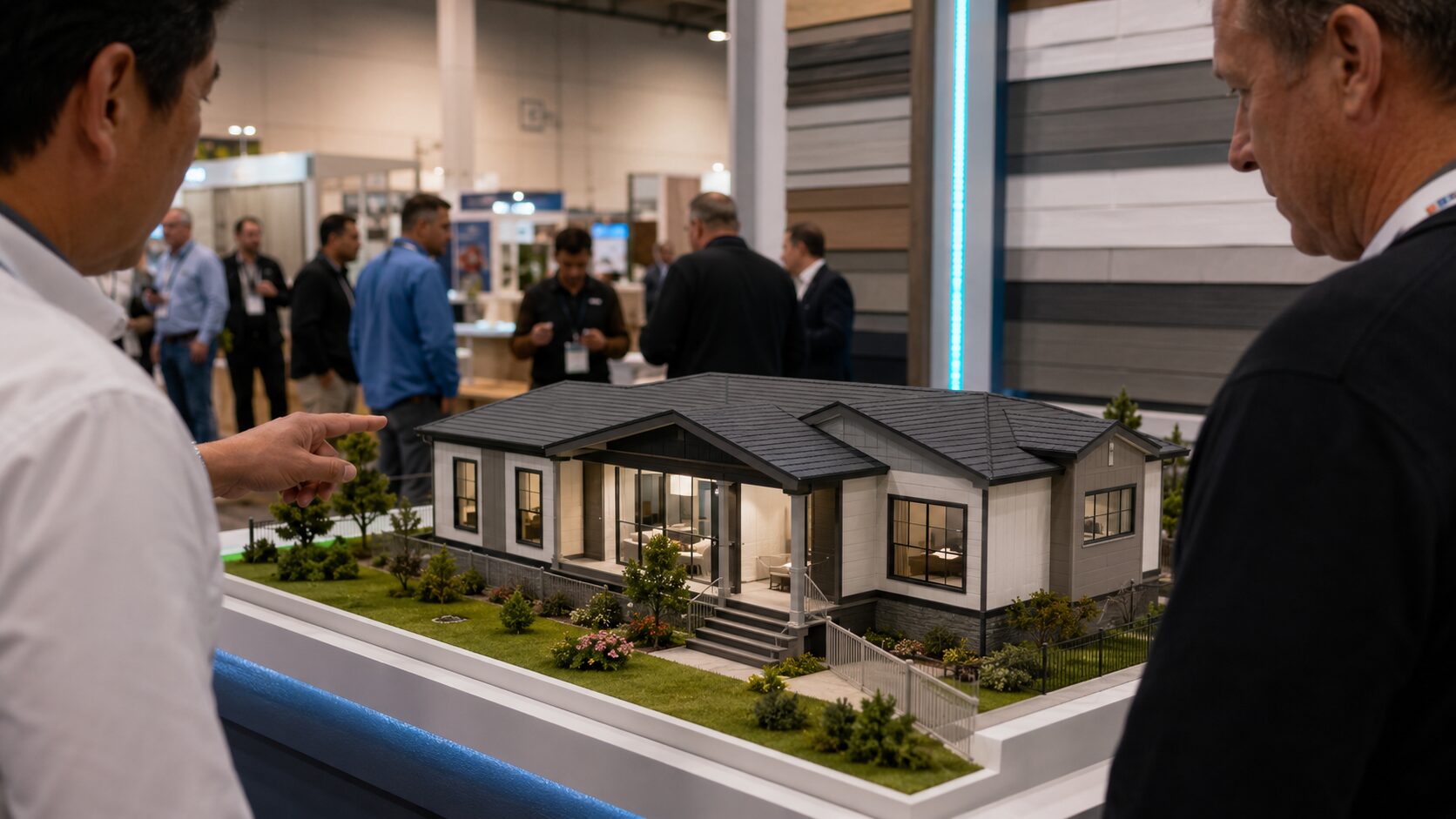
Manufactured housing continues to attract attention as communities look for more efficient, scalable and cost-conscious ways to increase housing supply. Compared with construction processes that depend heavily on outdoor site work, factory-built housing allows major building components to be produced in a controlled environment before transportation and installation.
MHI Congress & Expo 2026 focused on many of the factors influencing this sector, including housing finance, market data, artificial intelligence, regulatory compliance, fair housing, community operations and emerging technologies. These discussions demonstrated that the future of manufactured housing depends not only on production speed, but also on product quality, compliance, financing accessibility and long-term operating performance.
What We Explored at the Exhibition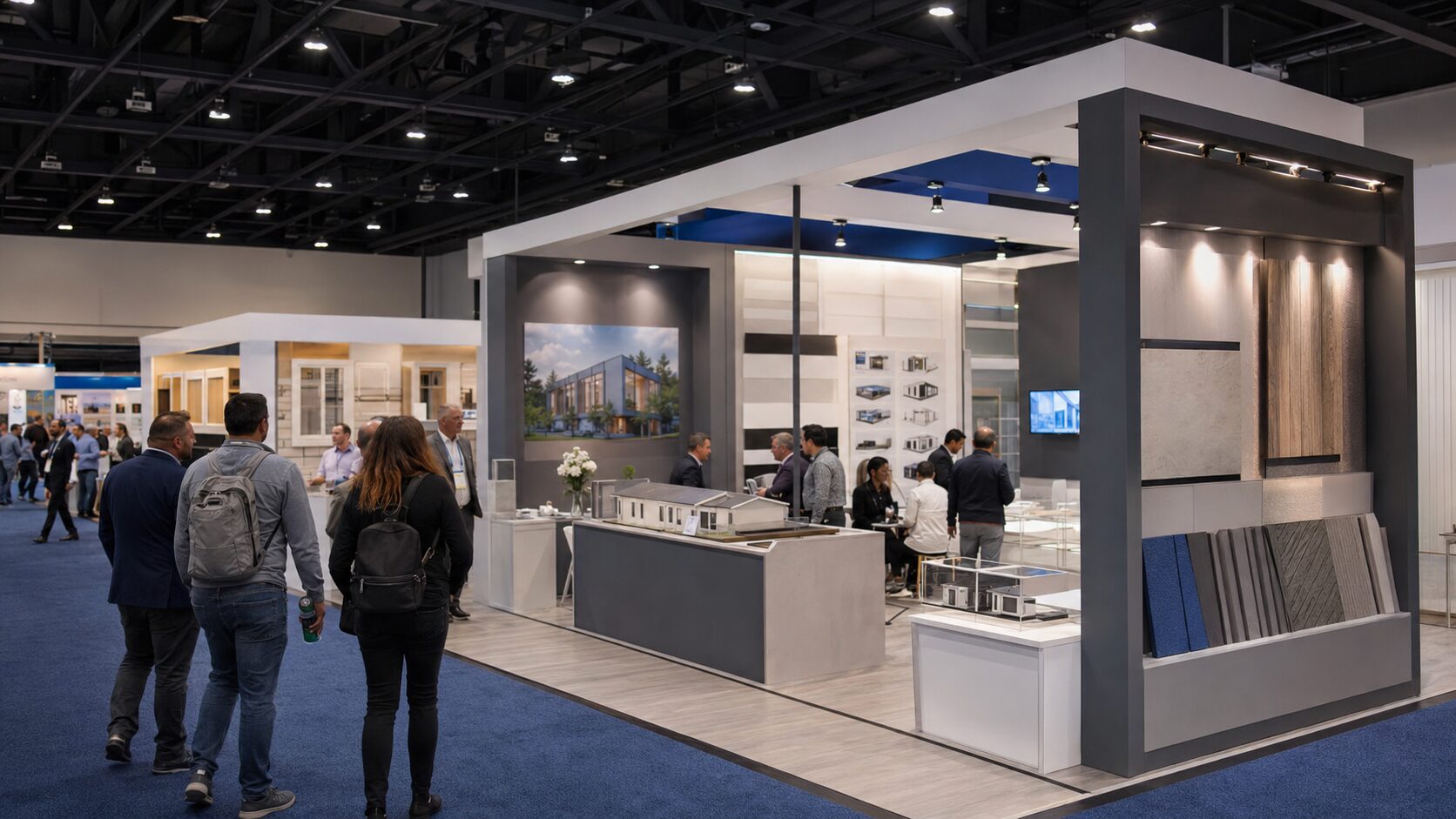
During the event, our team exchanged ideas with housing professionals and explored current demand for manufactured homes, prefabricated buildings and supporting construction solutions. We paid particular attention to several areas:
- More efficient factory production and quality-control processes
- Energy-efficient envelopes, insulation and building materials
- Flexible housing layouts for different sites and user groups
- Transportation, installation and project-delivery efficiency
- Product adaptation for local building codes and climate conditions
- Long-term durability and maintenance requirements
- International supply-chain coordination for housing projects
These conversations helped us gain a clearer understanding of what customers, developers and project partners expect from modern factory-built housing suppliers.
Manufactured Housing and Modular Construction: Understanding the Difference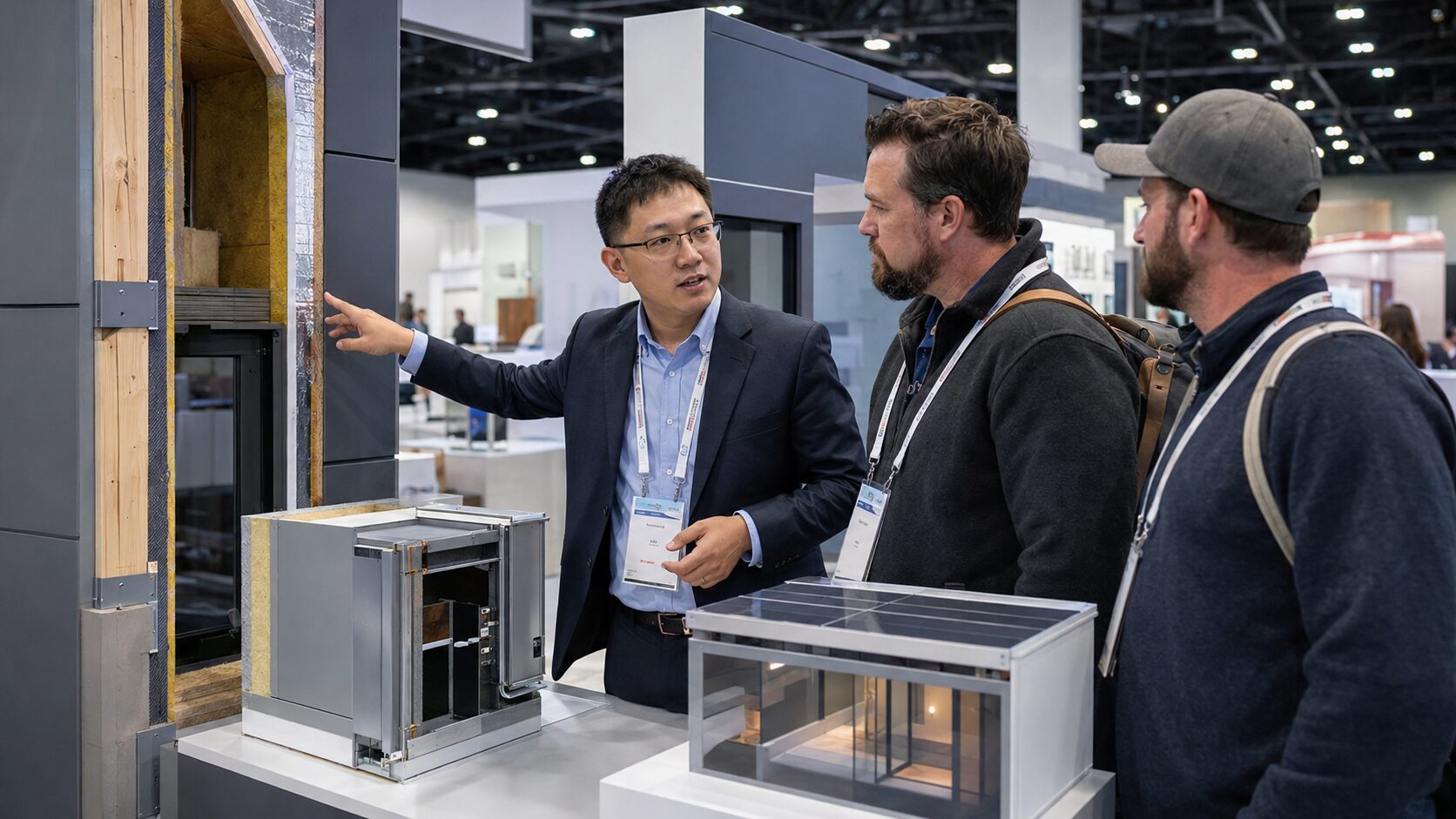
Although manufactured homes, modular homes and mobile housing solutions all use factory-based production, the terms are not always interchangeable.
In the United States, a manufactured home generally refers to a factory-built residence constructed under the federal HUD Code. A modular home, by comparison, is normally manufactured in sections and designed to comply with the state or local building codes applicable at its final destination. Portable cabins, container-based buildings and relocatable structures may follow different technical standards depending on their use and location.
Understanding these distinctions is essential for international suppliers. Before recommending a product, the project location, intended use, structural requirements, energy targets, transportation conditions and approval pathway must all be evaluated.
Our Approach to International Housing Projects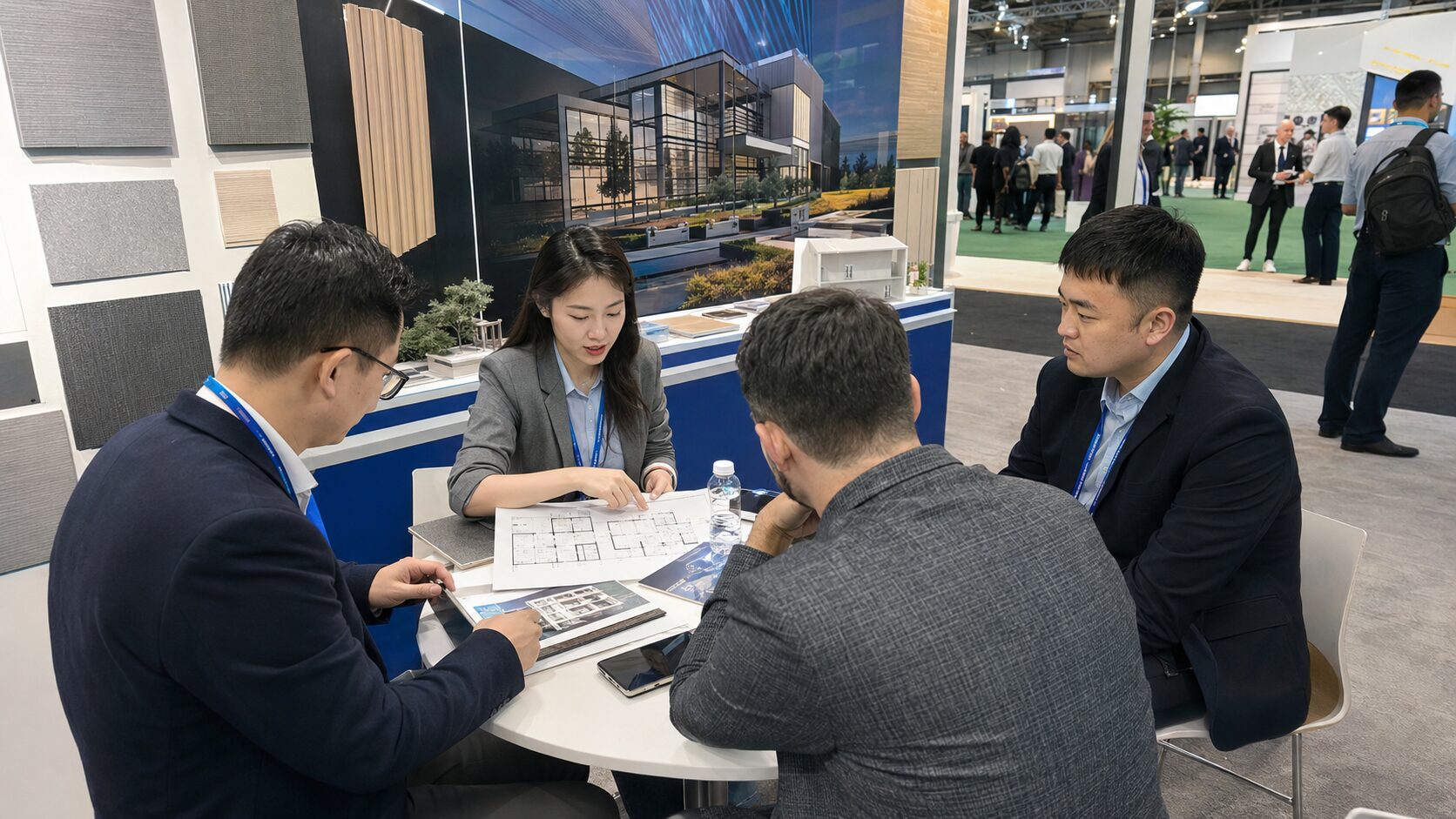
Our objective is to provide practical factory-built building solutions based on the actual requirements of each project. Instead of treating every market as identical, we evaluate climate conditions, occupancy needs, local standards, transportation limitations, installation methods and expected service life.
Depending on the project, a solution may include structural systems, insulated wall and roof panels, doors and windows, interior finishes, electrical and plumbing provisions, sanitary facilities and installation guidance. Early technical coordination helps reduce design conflicts and allows the building configuration to be optimized before production begins.
Key Industry Insights from MHI Congress & Expo 2026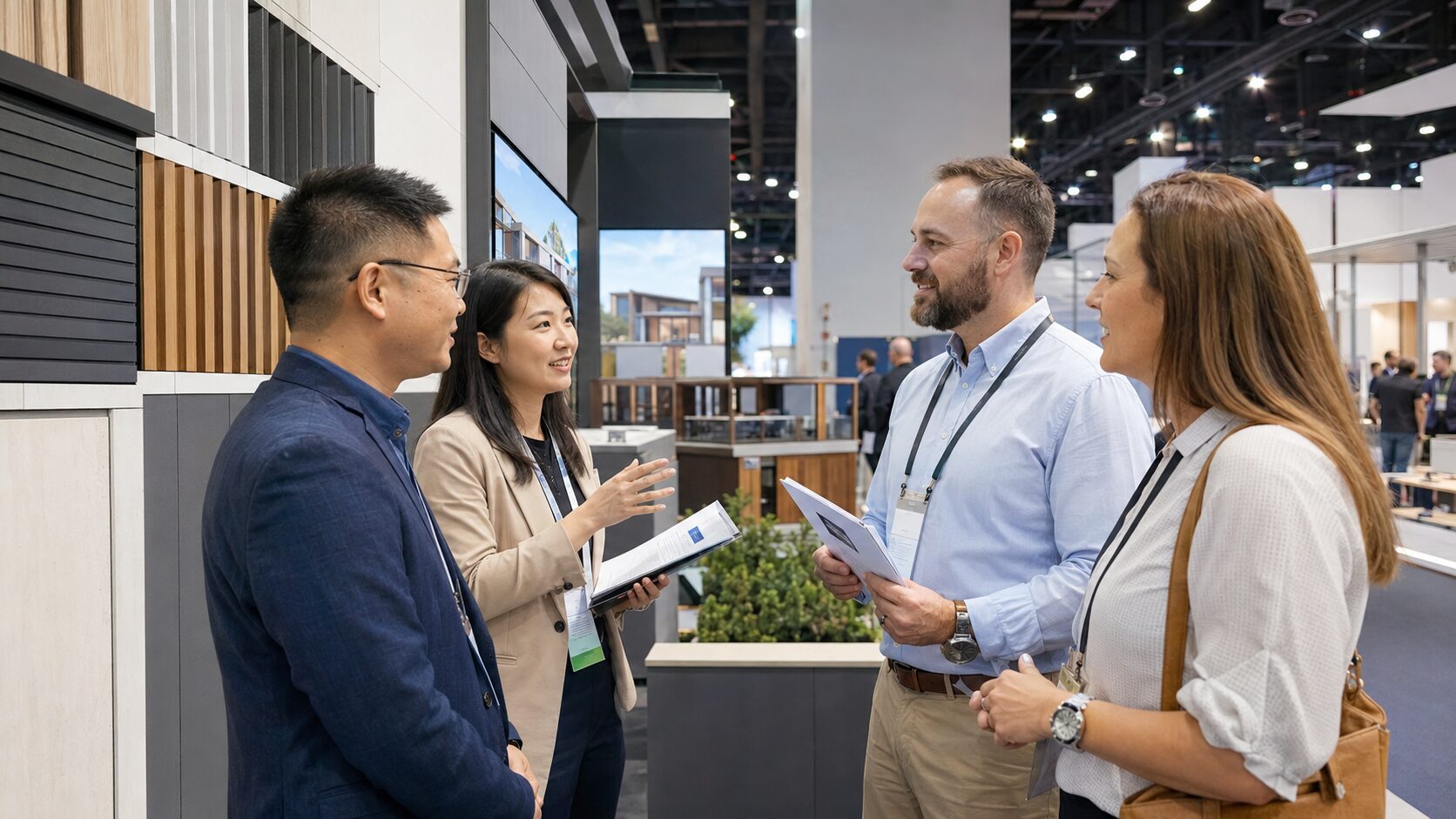
Our participation in the exhibition reinforced several important observations:
First, housing affordability remains a major driver of demand. Customers are looking for solutions that balance initial investment, construction speed, energy consumption and long-term maintenance costs.
Second, compliance must begin during the design stage. Structural calculations, fire safety, thermal performance, electrical systems and documentation should be coordinated according to the destination market rather than addressed only after manufacturing.
Third, customers increasingly expect complete project support. A competitive supplier must provide more than building units; clear drawings, material specifications, packing plans, installation documents and responsive technical communication are also essential.
Finally, flexible manufacturing will remain important. Housing projects vary in scale, climate, layout and delivery conditions, making a balance between standardization and customization especially valuable.
Moving Forward After MHI Congress & Expo 2026
MHI Congress & Expo 2026 gave us an opportunity to connect with the manufactured housing community, study emerging market requirements and better understand the direction of factory-built housing in North America.
Following the exhibition, we will continue improving our product configurations, technical documentation, quality-control procedures and international project-support capabilities. We welcome discussions with housing developers, distributors, contractors and project owners looking for adaptable prefabricated and mobile building solutions.
If you are planning a manufactured housing, modular accommodation or prefabricated building project, contact our team with the project location, intended application, required capacity, preliminary layout and applicable technical standards. We can help evaluate a suitable building configuration and delivery approach.
FAQ
What was MHI Congress & Expo 2026?
MHI Congress & Expo 2026 was a professional manufactured housing event organized for manufacturers, builders, community operators, suppliers, lenders and technology providers. It combined educational sessions, networking activities and an exhibition of housing-related products and services.
When and where was MHI Congress & Expo 2026 held?
The event was held from April 7 to 9, 2026, at the MGM Grand in Las Vegas, Nevada, United States. Official event website
What products are suitable for manufactured housing projects?
Depending on local regulations, manufactured housing projects may use factory-built structural systems, insulated wall and roof panels, energy-efficient windows, interior finishes, MEP components and other standardized building products. Final specifications must be based on the project location and applicable codes.
How should an international buyer select a factory-built housing supplier?
Buyers should evaluate the supplier’s engineering capability, material specifications, quality-control system, code-adaptation experience, export packaging, installation documentation and after-sales support. Price should be considered together with compliance, durability and total delivery cost.
Tags:
Manufactured Housing, Mobile Homes, Factory-Built Housing, Prefabricated Buildings, Offsite Construction, Affordable Housing, Trade Show, MHI 2026